
Flowers
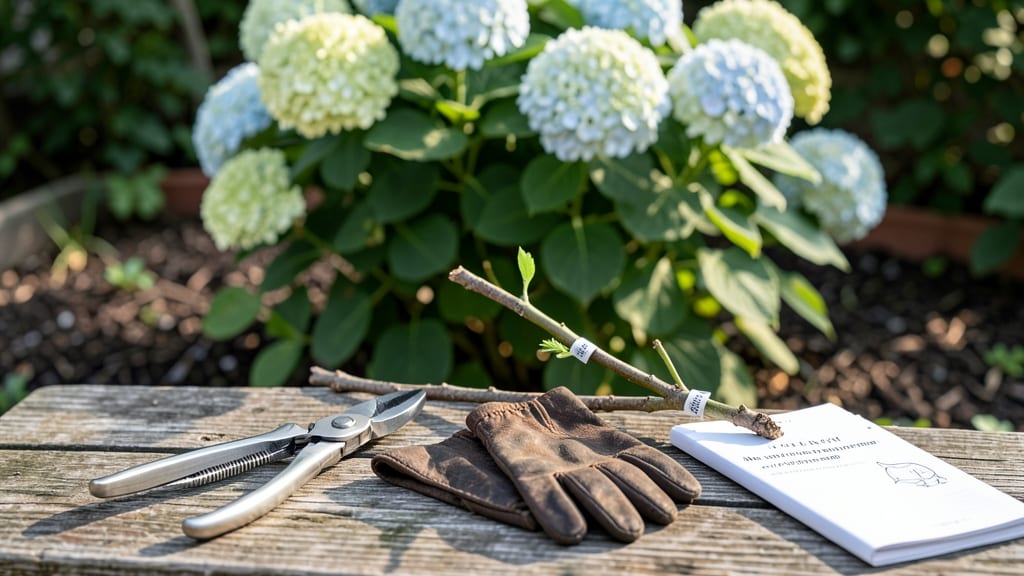
To cut hydrangea flowers off at the right time means shaping next year’s blooms without sacrificing this season’s show—late winter is your best bet for most varieties.
Struggling to get your hydrangeas blooming as beautifully as last year? The secret lies in pruning at the right time—late winter is your golden window to shape next year’s flowers without sacrificing this season’s potential blooms.
But here’s the catch: different hydrangea types bloom at different times, so what works for a mophead isn’t always best for a panicle. Cut too early, and you risk losing this year’s flowers; wait too long, and you stunt next year’s growth.
Below, I’ll break down the exact late-winter timeline for each type, how to prune like a pro, and the telltale signs you’re doing it wrong—so you can enjoy bold, healthy blooms every season.
The exact late-winter timeline for pruning hydrangeas by type
Pruning hydrangeas in late winter is the best way to ensure abundant blooms next season while keeping your plant healthy. But timing varies dramatically by type—what’s perfect for a mophead could ruin a panicle hydrangea’s blooming cycle. The key is understanding when each variety sets its flower buds.
Most hydrangeas bloom on new wood (current season’s growth), but some rely on old wood (last year’s stems). Cutting at the wrong time can mean no flowers for months—or even a full season.
Late winter (typically February to early March) is ideal because the plant is dormant, making it easier to see dead or weak stems while protecting next year’s buds.
Here’s the exact timeline for each type, including when to cut and why it matters. Use this as your guide to prune with confidence and watch your hydrangeas thrive.
| Hydrangea Type | Best Pruning Time | Why This Timing? | What to Cut | Blooms on... |
|---|---|---|---|---|
| Mophead (Bigleaf) | Late February - Early March | Bud formation starts in late winter; prune too late and risk cutting off next year’s blooms. | Dead/diseased wood; thin 1/3 of oldest stems to encourage new growth. | Old wood (last year’s stems) |
| Lacecap (Bigleaf) | Late February - Early March | Same as mophead; buds form on old wood in late winter. | Remove 1/3 of oldest canes to rejuvenate; avoid cutting back new growth. | Old wood (last year’s stems) |
| Oakleaf | Late February - Early March | Blooms on old wood; prune after buds swell but before leaves emerge. | Cut back 1/4 of oldest stems to the ground; shape lightly. | Old wood (last year’s stems) |
| Panicle | Late February - Early March | Blooms on new wood; aggressive pruning in late winter encourages bigger blooms. | Cut back 1/2 to 2/3 of plant to 12-18" from ground; remove dead wood. | New wood (current season’s growth) |
✂️ Pro Tip: Always use clean, sharp pruners and sterilize with rubbing alcohol to prevent disease.
For mophead and lacecap hydrangeas, late winter pruning is critical because their flower buds form on old wood (last year’s stems). If you prune too late, you risk cutting off next year’s blooms before they even appear.
Aim to finish by early March in most climates, or when you see buds beginning to swell.
Meanwhile, panicle hydrangeas are the most forgiving—they bloom on new wood, so you can prune them back harder and later (even in early spring). This type thrives with aggressive pruning, which encourages larger, more abundant blooms in summer.
Cut them back to 12-18 inches from the ground for the best results.
Oakleaf hydrangeas are a bit trickier. They bloom on old wood but also produce fall foliage interest. Prune them lightly in late winter to shape the plant while preserving some stems for next year’s blooms. Avoid heavy pruning, as it can reduce flowering.
One common mistake is pruning too early (like in late winter when it’s still cold). This can stress the plant and delay spring growth. Wait until temperatures consistently stay above freezing (usually February to early March in most zones) before grabbing your pruners.
After pruning, water deeply and apply a layer of mulch around the base to protect new growth. This helps the plant recover faster and sets the stage for vibrant blooms in the coming season.
If you’re unsure whether your hydrangea blooms on old or new wood, observe its growth pattern. Bigleaf (mophead/lacecap) and oakleaf types will have buds on last year’s stems, while panicle types will sprout fresh growth from the base each spring.
With this late-winter timeline, you’ll avoid the heartbreak of <
Step-by-step guide: how to prune hydrangeas without killing next year’s flowers
Pruning hydrangeas at the wrong time can turn your lush, blooming shrub into a bare skeleton overnight. The key is timing—late winter, just as new buds begin to swell, is your best window.
This is when you’ll remove dead or weak stems while leaving next year’s flower buds untouched. But how do you know when exactly to cut? And which stems should stay?
Start by identifying old wood (last year’s growth) versus new wood (this year’s buds). Most hydrangeas bloom on new growth, so cutting too aggressively now will rob you of summer color.
Use sharp, clean pruners to make 45-degree cuts just above a bud or leaf node. This encourages healthy regrowth while keeping your plant’s energy focused on producing vibrant blooms.
- 1 Wait until late winter (just before bud break, typically February-March in most zones). Avoid pruning in fall or early winter, as this can damage dormant buds.
- 2 Remove dead or dying stems first—these are brown and brittle with no green tissue. Cut these all the way back to the base of the plant.
- 3 Shape the plant by trimming overcrowded branches to improve airflow. Focus on outward-facing buds to encourage an open, bushy growth habit.
- 4 Avoid cutting into old wood (last year’s growth) unless you see new buds forming at the base. For mophead and lacecap types, leave 1-2 buds per stem to ensure next year’s blooms.
- 5 Clean up after pruning by removing all clippings and disinfecting your tools with rubbing alcohol to prevent disease spread to other plants.
One of the biggest mistakes I see is over-pruning—cutting back more than one-third of the plant at once. This stresses hydrangeas and can lead to sparse blooms or even no flowers the following season.
Instead, think of pruning as a light shaping exercise rather than a drastic haircut. For panicle hydrangeas, you can be slightly bolder, as they bloom on both old and new wood.
After pruning, give your hydrangeas a light layer of mulch (2-3 inches) to protect roots and retain moisture. Water deeply but avoid soaking the soil, which can lead to root rot.
In 3-4 weeks, you should see fresh green shoots emerging—this is your sign that the pruning was successful and next year’s blooms are already forming!
Pro tip: Take a before-and-after photo of your hydrangea after pruning. Comparing the two will help you track progress and adjust your technique for future seasons. With the right cuts, your hydrangeas will reward you with bigger, brighter blooms and a neater, healthier shape all season long. ✂️🌸