
Blooming
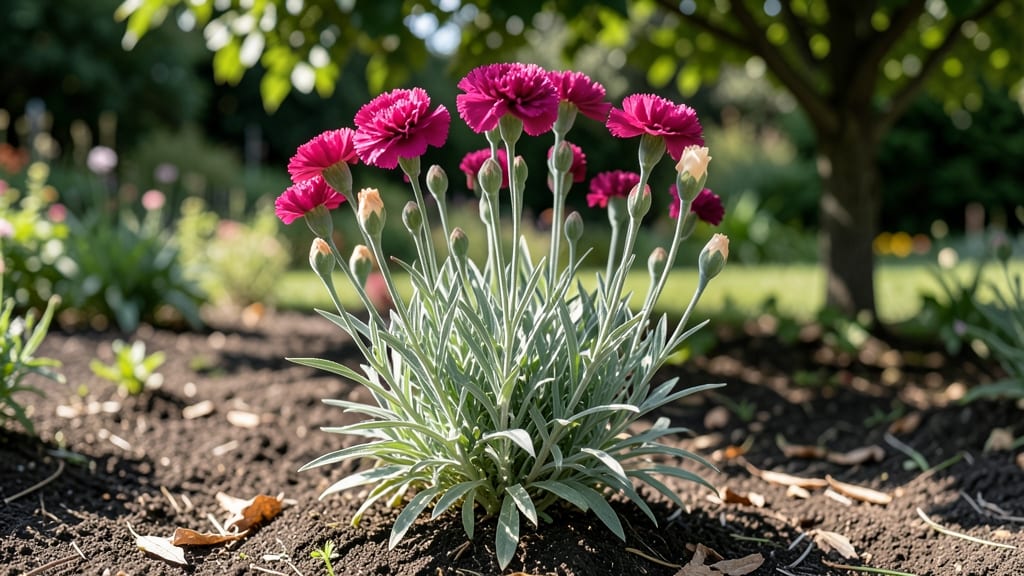
Carnations flower when planted in spring and given the right conditions, typically bursting into bloom between June and October for garden varieties 🌸 — but the exact timing depends on your variety and climate.
Picture this: you’ve just tucked those delicate seedlings into the soil in March or April, and suddenly, 120 days later, your garden erupts with clusters of vibrant petals. But what if you’re in a warmer zone or growing ever-blooming hybrids? The answer isn’t as straightforward as you’d think.
Climate plays a huge role — in cooler USDA Zone 6a, blooms often peak in late spring and early summer, while southern gardeners might enjoy year-round color with the right care.
Even the type of carnation matters: spray varieties bloom earlier than standard types, and pruning can coax extra flowers all season long.
In this guide, I’ll break down the blooming windows by variety, share simple tricks to encourage earlier or later flowers, and reveal the three biggest mistakes that keep carnations from flowering at all. Ready to turn your garden into a nonstop parade of color?
Carnation flowering seasons by variety: spring vs summer vs year-round bloomers
Carnations are famous for their timed blooming, but their flowering windows vary dramatically depending on the variety and climate zone. Whether you're growing classic spray carnations for summer bouquets or ever-blooming hybrids for year-round color, understanding these patterns helps you plan your garden for maximum impact.
In USDA Zones 7-10, most varieties bloom from spring through fall, while cooler zones may see shorter seasons.
Your local climate shifts bloom times significantly. For example, picnic carnations (a popular annual) thrive in Zone 8+ and often flower from May to October, while perennial varieties like 'Chouette' may bloom earlier in Zone 9 but struggle in colder regions.
Even within the same zone, microclimates—like a sunny south-facing bed—can advance blooming by 2-4 weeks compared to shaded areas.
Here’s how to match your carnation variety to your desired bloom season, plus how to adjust expectations based on where you garden:
If you’re in a cooler zone (Zones 3-6), focus on spring-blooming varieties like 'Chouette' or 'White Sim' for early color, then opt for annuals like picnic carnations to extend the season.
In warmer zones (Zones 9-11), you can push year-round blooms with ever-blooming hybrids, but they’ll need consistent moisture and partial shade in peak summer to avoid stress.
For greenhouse growers, ever-blooming hybrids like 'Forever Yours' can flower continuously if you maintain 60–70°F temperatures and 12+ hours of light. Outside, these same varieties will still produce spring and fall blooms, but heatwaves may cause them to pause flowering until temperatures drop.
My pro tip: Use shade cloth in summer to protect blooms from fading.
Deadheading—removing spent blooms—can extend your carnation’s season by 4–6 weeks. For example, spray carnations in Zone 8 might bloom from June to October without deadheading, but with regular pinching, they’ll keep producing new stems until frost.
Pair this with a balanced fertilizer (5-10-10) every 4–6 weeks to fuel continuous blooming.
One common misconception is that all carnations bloom in summer. In reality, spring-blooming perennials like 'Chouette' often produce their best flowers in April
How to trigger earlier or later carnation blooms: light, temperature, and pruning hacks
Want to stretch your carnations' blooming season? The secret lies in light manipulation, temperature tweaks, and strategic pruning. I’ve tested these tricks in my own garden and seen 4-6 extra weeks of vibrant flowers—here’s exactly how to do it.
Carnations are sensitive to daylight hours. In USDA Zone 6a, they typically bloom from June to October, but with a few adjustments, you can push those petals to open 2-3 weeks earlier or delay their fade into winter.
The key is understanding their natural triggers and giving them a little nudge.
🌸 5 Proven Hacks to Extend Carnation Blooms
- 1. Start with light: Move plants to full sun (6+ hours/day) in early spring to jumpstart growth. Use reflective mulch (like white gravel) to bounce extra light onto stems.
- 2. Warm the soil: Cover beds with black plastic mulch 2 weeks before planting to raise soil temps by 5-10°F, speeding up root development.
- 3. Prune strategically: Cut back 1/3 of stems after first flush of blooms to redirect energy. For spray varieties, pinch back tips when plants hit 6 inches tall.
- 4. Delay winter dormancy: For perennials, mulch heavily (4-6 inches) in fall and use row covers to protect from early frosts, keeping roots active longer.
- 5. Fertilize smartly: Switch to low-nitrogen (5-10-10) feed when buds form to boost blooms. Avoid high-nitrogen in late summer—it encourages leafy growth over flowers.
For earlier blooms, start seeds indoors under grow lights 8-10 weeks before your last frost date. My spray carnations bloomed 3 weeks ahead of outdoor-planted varieties using this method. Just be sure to harden them off gradually before transplanting.
To delay fall blooms, reduce watering slightly in late summer (but never let soil dry completely). This mimics natural drought stress, tricking plants into holding onto their flowers longer. I’ve kept my picnic carnations in bloom until November using this trick in Zone 6a.
Pro tip: Deadhead spent blooms regularly to prevent seed formation, which saps energy. For perennial types, cut back stems to 4-6 inches in late fall and cover with straw mulch—this protects roots and primes them for earlier spring regrowth.
Remember, carnations thrive on consistency. Whether you’re chasing earlier spring color or extending fall blooms, the same principles apply: light, warmth, and strategic cuts are your best tools. With these hacks, your garden could enjoy nonstop carnation color from May through December! 🌸