
Blooming
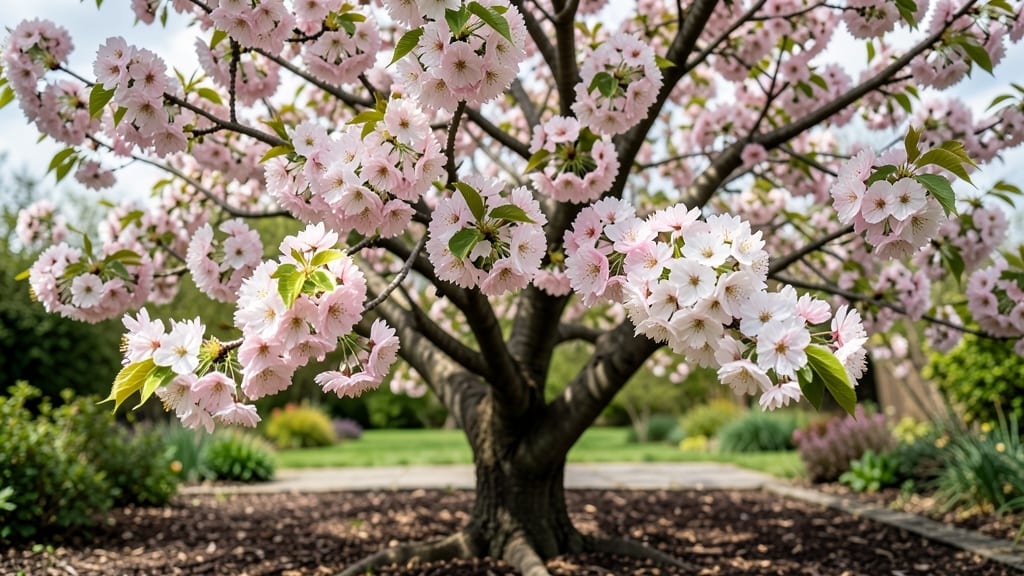
Cherry trees flower in late winter to early spring, with timing that depends on variety, climate, and even last year’s weather 🌸.
Picture this: you’ve waited all year for those delicate pink blossoms, only to wake up one morning and realize they’ve already faded. That’s the frustration of not knowing your tree’s exact bloom schedule.
But with the right clues—like bud color changes or chilling hours—you can pinpoint when your cherry tree will burst into color.
Some varieties, like the early-blooming Yoshino cherry, start as soon as February in warmer zones, while late bloomers like the Black Tartarian wait until May. The difference comes down to temperature triggers and how many cold nights the tree has endured.
I’ll break down the exact windows so you can plan your garden visits (or pruning sessions) perfectly.
Beyond the beauty, timing also affects fruit production—if you grow edible cherries—and helps you avoid late frosts that can wipe out blooms overnight. Here’s how to read your tree’s signals and adjust care for the most stunning spring display.
Cherry tree flowering times by most popular varieties
Cherry trees are famous for their stunning spring blooms, but not all varieties flower at the same time. Ornamental sakura and fruit-bearing cherries have distinct bloom windows that depend on their type, climate, and even the color of their buds.
Understanding these differences helps you plan for peak viewing, pruning timing, and pest management—especially since some varieties bloom before leaves emerge, while others wait until summer!
Most cherry trees need 600-1,000 chilling hours (temperatures below 45°F) to trigger blooms, but the exact timing varies. Early bloomers like Yoshino cherry often appear in late March, while late bloomers such as Stella cherry may wait until May.
Below, I’ve broken down the bloom windows for the most popular varieties, including visual cues like bud color and temperature triggers to help you predict when your tree will put on its floral show.
If you’re growing ornamental cherries like Yoshino or Kanzan, you’ll notice their buds swell dramatically in late winter—often turning a striking pink or red hue before blooming.
These early bloomers are perfect for spring festivals but are vulnerable to late frost damage, so protect them with frost cloth if temperatures dip below 28°F.
For fruit-bearing varieties, timing is critical for harvests. Stella Pink and Rainier cherries bloom later, aligning with warmer, stable temperatures, which reduces frost risk to flowers. Their buds are usually
How climate zones affect cherry blossom timing
Your cherry tree’s flowering schedule isn’t set in stone—it’s heavily influenced by your USDA climate zone. Warmer zones like Zone 9-10 can trigger blooms as early as late January, while colder Zone 3-5 areas may wait until mid-April.
These shifts happen because cherry blossoms need a mix of chilling hours (below 45°F) and warmth triggers to bloom.
For example, a Yoshino cherry in Zone 7 might burst into pink clouds in early April, but the same tree in Zone 4 could delay until late May. Understanding these patterns helps you plan for late frost risks or adjust pruning timelines to avoid removing next year’s blooms.
Chilling hours (typically 500–1,000 hours) are critical—too few can delay blooms, while too many may cause buds to drop. In warmer zones (8-10), trees often bloom earlier but may struggle with heat stress during peak bloom. Meanwhile, northern zones (3-5) face frost risks that can damage delicate flowers.
If you’re in a transition zone (e.g., Zone 7b vs. 8a), blooms can shift by 2–3 weeks. For instance, a Stella Pink cherry in Zone 7b might bloom in early April, while the same tree in Zone 8a could start as early as late March.
To account for this, I recommend tracking your local last frost date and adjusting your care routine accordingly.
For fruit-bearing cherries, timing matters even more—late blooms in cold zones can delay harvests by weeks. If your tree blooms late, consider planting a second variety with an earlier bloom window to extend your fruiting season.
For example, pair a Bing cherry (late bloomer) with a Lapins cherry (early bloomer) in Zone 6.
Pro tip: Use a degree-day calculator (available from your local extension office) to predict blooms more accurately. Input your zone’s average temperatures, and it’ll estimate when your tree will hit its chilling requirement and trigger blooms.
This is especially useful for new plantings where you’re unsure of the exact variety’s needs.