
Companion Plants
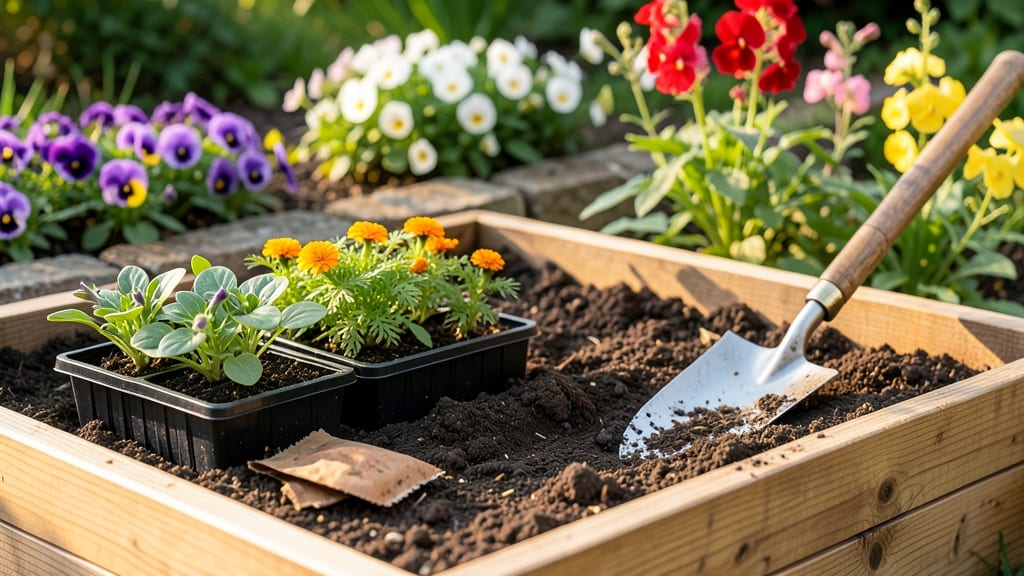
Planting flowers in spring at the right time means the difference between a garden that bursts into color and one that fizzles out before summer 🌸.
Timing your spring flower planting wrong can mean wilted dreams before summer blooms—but get it right, and your garden will thrive like clockwork. The key? Waiting until the soil warms and the last frost has passed, which varies wildly depending on your zone.
In Zone 6a, that’s typically after April 15, but cooler microclimates or late frosts might push you into May.
Annuals like marigolds and zinnias love the heat, while pansies and snapdragons can handle a little chill—so choosing the right flowers for your timing is just as important as the calendar.
Below, I’ll break down the exact planting windows by zone, the best flowers for early vs. late spring, and the 5 critical mistakes that sabotage even the most well-meaning gardeners. Ready to turn your spring into a blooming success?
Spring flower planting timeline by US hardiness Zones (with exact dates)
Getting your spring flower planting right means knowing your USDA hardiness zone and local frost dates. Plant too early, and a late frost will zap tender seedlings.
Wait too long, and you miss peak bloom times. The key is timing—whether you're planting annuals for instant color or perennials that’ll return year after year.
Each zone has its own last frost date, which is your starting point. For example, Zone 3 gardeners might plant in early May, while Zone 8 can start as early as February.
I’ll break it down by zone so you can align your planting with your climate for vibrant blooms all season.
🌱
| USDA Zone | Last Frost Date | Annuals Planting Window | Perennials Planting Window | Soil Temp Requirement |
|---|---|---|---|---|
| Zone 3-4 | Mid-May | After May 15 | Early May (hardy types) | 50°F+ consistently |
| Zone 5-6 | Early April | After April 15 | Late April | 50°F+ consistently |
| Zone 7-8 | Mid-March | After March 1 | Late February | 55°F+ consistently |
| Zone 9-10 | Late January | After January 15 | January-February | 60°F+ consistently |
In Zones 3-4, where winters are harsh, focus on cold-hardy annuals like pansies and snapdragons after your last frost date—typically mid-May. Perennials like coneflowers and black-eyed Susans can go in early May once the ground thaws.
I always test soil temperature with a thermometer to ensure it’s above 50°F before planting.
For Zones 5-6, you’ve got a longer window. Start annuals like marigolds and zinnias after April 15, but don’t rush—late frosts can still sneak in. Perennials like peonies and daylilies thrive when planted in late April, giving roots time to establish before summer heat arrives.
🌿
Gardeners in Zones 7-8 can plant annuals as early as March 1, but I recommend waiting until mid-March for heat-loving flowers like petunias and geraniums. Perennials like lavender and salvia do best when planted in late February, so they’re ready for spring’s milder conditions.
In warmer Zones 9-10, you can start planting annuals like impatiens and begonias as early as January 15. Perennials like bougainvillea and hibiscus love the heat, so plant them in January or February for a head start.
Just watch for soil warmth—aim for at least 60°F to avoid stunted growth.
Pro tip: Use a frost-free date calculator (like the Old Farmer’s Almanac) to pinpoint your exact window. Even within a zone, microclimates—like sunny slopes or shaded valleys—can shift planting times by 1-2 weeks. Always err on the side of caution with tender plants!
☀️
Best flowers to plant early spring vs late spring (for maximum blooms)
Spring planting isn't one-size-fits-all—some flowers thrive in early spring's chill, while others wait for summer's heat. The difference between 4-6 weeks of blooms often comes down to timing.
Early spring plantings like pansies and snapdragons handle light frosts, while marigolds and zinnias need warm soil to sprout. Even perennials like coreopsis have ideal windows for maximum vigor.
I've planted both too early and too late—early spring mistakes mean leggy, weak flowers, while late spring delays can leave gaps in your seasonal color. The key is matching each flower's temperature tolerance with your local frost dates.
In Zone 5-7, early spring typically means March-April, while late spring shifts to May-June.
Early Spring Planting (March-April)
- Cold-hardy varieties bloom earlier
- Fewer weeds compete for space
- Extended blooming season
- Risk of frost damage
- Slower growth in cool soil
- Limited heat-loving options
Late Spring Planting (May-June)
- Warm soil speeds germination
- Full sun exposure for heat-lovers
- Longer growing season ahead
- Miss early-season blooms
- Competition from established weeds
- Drought stress in hot months
For early spring success, focus on cool-season annuals like pansies (Viola spp.), sweet alyssum (Lobularia maritima), and snapdragons (Antirrhinum). These handle 32-50°F soil temps and even light frosts. I've seen pansies bloom just 4-6 weeks after planting in early spring, creating instant color.
Perennials like columbine (Aquilegia) and lungwort (Pulmonaria) also thrive when planted in early spring for established root systems before summer heat.
Shift to late spring planting for heat-loving annuals like marigolds (Tagetes), zinnias (Zinnia elegans), and cosmos (Cosmos bipinnatus). These need soil temps above 60°F to germinate.
My zinnias planted in late May bloom nonstop until frost, while early plantings often flopped in Zone 6 heat. Even some perennials, like black-eyed Susans (Rudbeckia), perform better when transplanted in late spring for stronger fall blooms.
Don't overlook transplanting perennials—many, like daylilies (Hemerocallis) and coneflowers (Echinacea), benefit from late spring planting to establish roots before winter.
I've found that dividing perennials in early spring gives them a full growing season to recover, while late spring divisions still thrive if watered consistently. The key is moisture management—both early and late plantings need deep watering to prevent transplant shock.
Pro tip: Use row covers for early spring plantings in Zones 3-5 to protect from late frosts. For late spring, mulch heavily to retain moisture as temps rise. My marigolds planted in late May with straw mulch stayed vibrant all summer, while unmulched ones struggled in 90°F+ heat.
Timing isn't just about the calendar—it's about matching flowers to your microclimate.