
Flowers
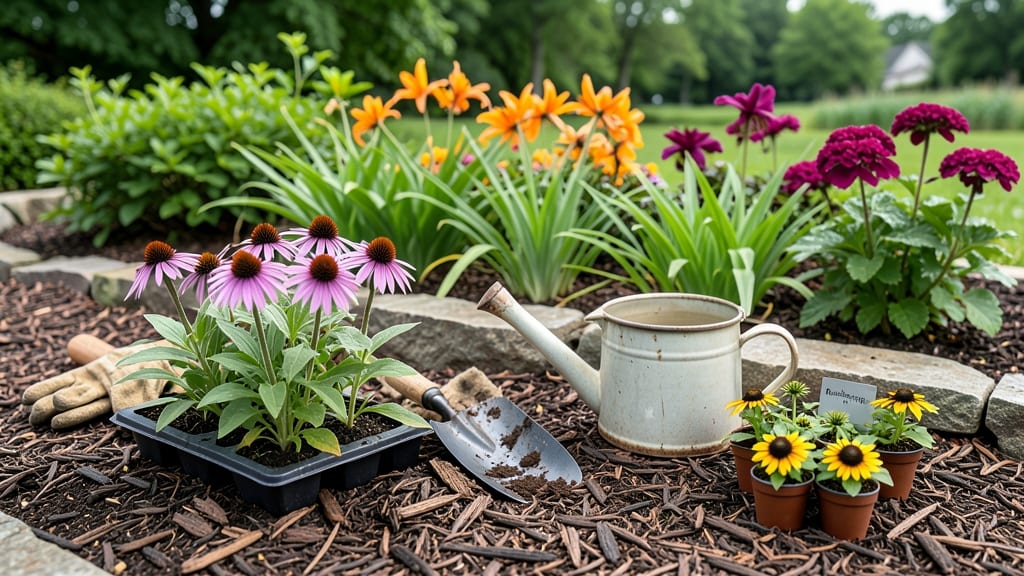
Planting flowers in Zone 6 on the right schedule means the difference between a garden bursting with color and one that struggles to take root.
Struggling to remember when to plant your flowers in Zone 6? Missed deadlines can mean the difference between a vibrant garden and a sad, wilted mess—here’s your exact frost-free planting schedule to maximize blooms all season.
With last frost dates typically landing in mid-April, timing is everything. Cool-season flowers like pansies and snapdragons can go in as early as March, while heat-loving annuals like marigolds and zinnias wait until after May 15.
Below, I break down the best planting windows for perennials, annuals, and bulbs—plus pro tips to extend your blooming season, whether you’re dealing with late frosts or early heat waves.

Zone 6 flower planting timeline by frost-free dates (with exact months)
Timing is everything when it comes to growing vibrant flowers in Zone 6. The last spring frost typically hits around mid-April, while the first fall frost arrives in mid-October.
Knowing these dates helps you plant cool-season flowers early and warm-season varieties after the danger of frost has passed. Let’s break down your month-by-month planting schedule for annuals, perennials, and bulbs to ensure a garden bursting with color all season.
For Zone 6 gardeners, the key is understanding which flowers thrive in cool weather and which need warm soil to germinate. Cool-season flowers like pansies and snapdragons can handle light frosts, while warm-season favorites like marigolds and zinnias need to wait until soil temperatures rise above 55°F.
Below is your exact planting timeline with frost-free windows and ideal planting months for a full-color garden.
In March, focus on planting spring-blooming bulbs like tulips and daffodils. These hardy plants can handle cold soil and will reward you with early-season color.
March is also a great time to start cool-season annuals indoors, such as pansies and violas, so they’re ready to transplant after the last frost.
By April, the ground is usually workable, and you can direct-sow frost-tolerant flowers like snapdragons and sweet alyssum. These flowers thrive in cooler temperatures and will bloom well into summer.
If you missed the bulb-planting window, don’t worry—many perennials, like coneflowers, can be transplanted in early April once the soil warms slightly.
Once the last frost date passes in mid-April, it’s time to plant warm-season annuals. Wait until the soil temperature reaches at least 60°F before planting heat-loving flowers like marigolds and zinnias.
These varieties need consistent warmth to germinate and flourish. If you’re unsure about your soil temperature, use a soil thermometer to avoid disappointment.
Throughout May and June, focus on established perennials and filling in gaps with fast-growing annuals. This is also the perfect time to deadhead spent blooms to encourage more flowers and prevent self-seeding.
For container gardens, May is ideal for planting geraniums and petunias, which will thrive in
Best flowers for Zone 6 by planting season (cool vs. warm-loving varieties)
Choosing the right flowers for your Zone 6 garden depends on whether they thrive in cool spring temperatures or warm summer heat. Cool-season flowers like pansies and snapdragons handle early planting, while warm-season varieties like zinnias and marigolds need to wait until after the last frost.
I’ve curated the top performers for each season, including drought-resistant and low-maintenance picks perfect for busy gardeners.
For spring planting, focus on hardy annuals and perennials that tolerate light frosts, such as calendula and lupines. These flowers establish roots quickly and bloom early, adding instant color to your garden.
In contrast, summer-blooming varieties like black-eyed Susans and coreopsis prefer warmer soil and full sun to thrive. Fall is your chance to plant cool-season bulbs like crocus and tulips for early spring blooms.
🌱 Top Flowers for Zone 6 by Season
- 🌸 Spring Planting (March-April): Pansies (tolerates frost), Sweet Alyssum (drought-resistant), Lupines (low-maintenance).
- ☀️ Summer Planting (May-June): Zinnias (long blooming), Marigolds (pest-repellent), Black-Eyed Susans (drought-tolerant).
- 🍂 Fall Planting (September-October): Crocus (early spring blooms), Tulips (hardy bulbs), Chrysanthemums (fall color).
- 💧 Low-Maintenance Picks: Lavender (drought-resistant), Coneflowers (pollinator-friendly), Russian Sage (long-lasting).
- ✂️ Easy-Care Tips: Deadhead spent blooms, mulch to retain moisture, and group plants by water needs.
If you’re short on time, prioritize perennial flowers like daylilies and bee balm, which return year after year with minimal effort. These plants establish deep roots, making them resilient to Zone 6’s fluctuating temperatures.
For instant impact, annuals like petunias and geraniums deliver vibrant blooms all season but require replanting annually.
Don’t overlook succession planting for continuous color. Replace early-blooming annuals like snapdragons with cosmos or sunflowers in late summer to keep your garden lively. This strategy ensures your garden stays full and dynamic without constant upkeep.
Pairing cool- and warm-season flowers in the same bed can also create a seamless transition from spring to fall.
For drought-prone areas, opt for native plants like purple coneflower or blanket flower. These varieties thrive with minimal water once established and attract pollinators like bees and butterflies.
Always amend your soil with compost before planting to improve drainage and nutrient retention, especially for heat-loving annuals that struggle in heavy clay.
Pro tip: Use mulch to regulate soil temperature and retain moisture. A 2-3 inch layer of organic mulch around your flowers reduces watering needs by up to 30% while suppressing weeds. This simple step saves time and keeps your garden looking neat and tidy all season long. 🌿