
Flowers
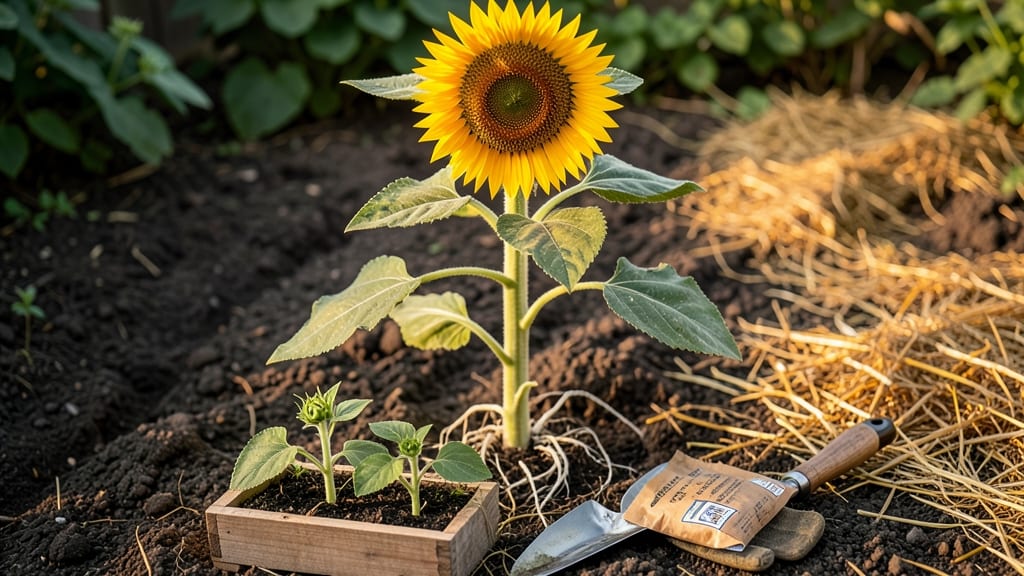
Planting sunflowers in Tennessee between mid-April and early June ensures vibrant blooms before fall frosts arrive.
Picture this: you’ve waited all winter for your garden to burst into color, only to watch frost nip your sunflowers 🌻 before they even open. That’s why timing matters—especially in Tennessee’s 6a-7b zones, where last frosts linger into late March and first frosts creep in by October.
Whether you’re growing towering ‘Mammoth’ varieties or compact ‘Teddy Bear’ types, the right planting window means the difference between a showstopping summer display and a season of disappointment. Here’s how to nail the timing for your Tennessee garden.
Inside, you’ll find exact frost-free date guides by region, variety-specific planting tips, and pro tricks to stretch your sunflower season—so you can enjoy those golden faces from August through October.
Tennessee sunflower planting dates by USDA hardiness zone (2024 guide)
Tennessee’s diverse climate—from the cooler Appalachian Mountains to the warm Mississippi Delta—means sunflower planting dates vary dramatically across USDA zones 6a through 7b. In Zone 6a (eastern highlands), last frosts linger until mid-April, while Zone 7b (western regions) often sees frost-free conditions by early March.
Getting the timing right ensures your sunflowers thrive and bloom before Tennessee’s humid summer heat sets in.
Sunflowers are warm-season plants that need soil temperatures above 50°F (10°C) to germinate. Most varieties take 80–120 days to mature, so planting too late risks blooms appearing in late fall when nights grow chilly.
Below, I’ve broken down the ideal planting windows by zone, plus tips for adjusting based on your local microclimate.
Pro Tip: Use your local cooperative extension service (like UT Extension) for real-time frost data. Their frost-free date maps can help you fine-tune your schedule, especially if you’re in a transition zone like Nashville (7a) or Chattanooga (7b).
| USDA Zone | Last Frost Date | Ideal Planting Window | Late Planting Window | Best Varieties |
|---|---|---|---|---|
| 6a (e.g., Bristol, Kingsport) | Mid-April | Late April–mid-May | Early June (for dwarf varieties) | ‘Teddy Bear’, ‘Autumn Beauty’ |
| 6b (e.g., Knoxville, Crossville) | Late March–early April | Early April–late May | Early June (giant varieties) | ‘Mammoth’, ‘Russian Giant’ |
| 7a (e.g., Nashville, Cookeville) | Early March–mid-April | Mid-March–early June | Late June (dwarf/confection) | ‘Sunspot’, ‘ProCut’ (for bouquets) |
| 7b (e.g., Memphis, Jackson) | Late February–early March | Early March–mid-June | Early July (tropical varieties) | ‘Giant Russian’, ‘Evening Sun’ |
*Adjust dates 1–2 weeks earlier for early blooms or later for fall harvests.
For Zone 6a gardeners, I recommend starting dwarf varieties indoors in late March to jumpstart growth. These can be transplanted outdoors after the last frost, giving you a 2-week head start on blooms.
In Zone 7b, you can even try a fall planting in late August for winter bouquets, though these may need row covers in early fall.
If you’re in a transition zone (like Chattanooga or Clarksville), pay attention to microclimates. A south-facing slope warms up faster than a north-facing yard, so you might plant 1–2 weeks earlier in sunny spots.
Conversely, valleys or shaded areas may need a delayed start to avoid frost damage.
Soil temperature is just as critical as air temperature. Use a soil thermometer to confirm your soil is above 50°F (10°C) before planting. In cooler zones (6a/6b), you can warm the soil by covering it with black plastic mulch 1–2 weeks before planting. This trick adds 5–10°F to soil warmth, helping seeds germinate faster.
For giant sunflowers (like ‘Mammoth’ or ‘Russian Giant’), aim to plant in early May in
Best sunflower varieties for Tennessee’s climate and their ideal planting times
Tennessee’s diverse climate—from East Tennessee’s cooler highlands to West Tennessee’s humid lowlands—demands sunflower varieties that thrive in USDA zones 6a-7b. The right variety ensures vibrant blooms and frost-free growth.
Here are my top 5 picks, tailored to Tennessee’s 180-220 frost-free days, along with their perfect planting windows to avoid early frost damage or late-season wilting.
For giant sunflowers like ‘Mammoth’, aim for mid-April to early May plantings in West Tennessee (zone 7b), where summers are long. In East Tennessee (zone 6a), delay until late April to early June to escape late frosts.
Dwarf varieties like ‘Teddy Bear’ offer more flexibility—plant them 2-3 weeks later than giants for fall blooms before the first frost.
| Variety | Height | Days to Maturity | Ideal Planting Window (Zone 6a) | Ideal Planting Window (Zone 7b) | Frost Sensitivity |
|---|---|---|---|---|---|
| ‘Mammoth’ | 10-14 ft | 80-120 days | Late April–May 10 | Mid-April–May 15 | High (tall stems) |
| ‘Autumn Beauty’ | 5-7 ft | 60-70 days | Late May–June 10 | Late April–June 1 | Moderate |
| ‘Teddy Bear’ | 1-3 ft | 50-60 days | Late May–June 15 | Late April–June 15 | Low (compact) |
| ‘Russian Giant’ | 12-16 ft | 90-110 days | Late April–May 5 | Mid-April–May 10 | Very High |
| ‘ProCut’ (edible) | 4-6 ft | 65-75 days | Late April–May 20 | Mid-April–June 1 | Moderate |
‘Autumn Beauty’ is my go-to for Tennessee gardens—its 60-70 day maturity ensures blooms before late-season heat sets in. Plant it late May to early June in East Tennessee for September-October color, just before frost.
For edible sunflowers, ‘ProCut’ is perfect for late spring plantings (May) in zone 7b, yielding harvestable seeds by late August.
If you love whimsical dwarf varieties, ‘Teddy Bear’ thrives in containers or borders and can handle late June plantings for fall blooms. Its 50-day maturity means it races to flower before frost.
For tall sunflowers, ‘Russian Giant’ needs early planting (April) to avoid stem lodging from late-summer humidity. Stake it early to prevent wind damage in Tennessee’s occasional storms.
Pro tip: Use black plastic mulch to warm soil in East Tennessee’s cooler zones and extend your planting window by 2-3 weeks. This trick helps ‘Mammoth’ and ‘Russian Giant’ reach their full 10-16 ft potential before frost. For succession planting, sow ‘Autumn Beauty’ every 2 weeks in May