
Flowers
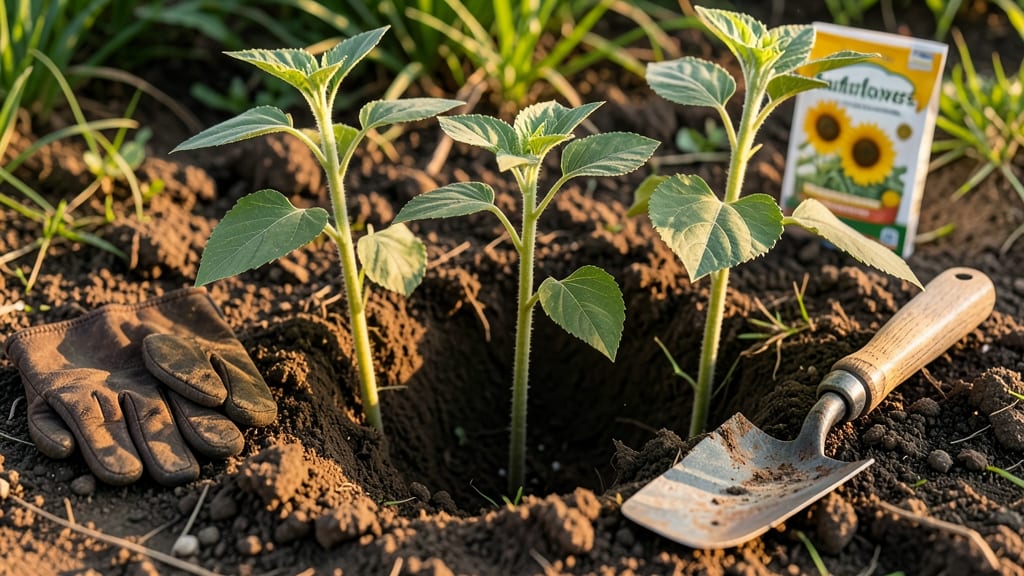
Plant sunflowers in East Tennessee after your last frost date—typically mid-April for Zone 6a and early April for Zone 7—to give them the 165 frost-free days they need to reach their towering 10-foot potential.
Sunflowers thrive in East Tennessee’s warm summers—but planting them too early or late can mean wilted dreams instead of towering blooms. Timing is everything, and these frost-date guidelines will help you grow sunflowers that reach their full height.
East Tennessee’s climate offers a narrow window for sunflower success, with ideal planting between April 15 and early June. Miss this window, and you risk stunted growth or no blooms at all. The key is understanding your zone’s last frost date and soil temperature thresholds.
Below, I’ll break down the exact planting windows for your zone, soil prep tips for clay-heavy areas, and how to adjust for late-spring cold snaps. By the end, you’ll know exactly when to plant for sunflowers that dominate your garden.
East Tennessee frost dates by Zone 6-7: exact planting windows for sunflowers
East Tennessee’s USDA Zones 6b-7a offer a 165-day frost-free season, perfect for sunflowers—but timing matters. In Zone 6, the average last frost date is April 15, while Zone 7 gardeners can start as early as March 20.
These dates shift slightly yearly, so always check a frost-date calculator for 2024 updates (like the Almanac’s Frost Calculator), which accounts for local microclimates.
Sunflowers thrive when planted after soil reaches 55°F (13°C), typically 2-3 weeks after your last frost. In Zone 6, this means aiming for late April to early May, while Zone 7 gardeners can start mid-to-late March for early blooms.
Early planting risks cold soil shock, while late planting may delay flowering until fall’s first frost.
Here’s your 2024 planting window breakdown by zone, including soil temp thresholds and frost risks:
For early-season sunflowers, use fast-maturing varieties like ‘Teddy Bear’ (50-55 days) or ‘Moulin Rouge’ (60 days) to avoid frost. Mid-season picks like ‘Autumn Beauty’ (80-90 days) thrive when planted by May 1 in Zone 6 or April 15 in Zone 7. Late-season varieties (e.g., ‘Russian Giant’) need 100+ days and should go in by late April to mature before fall frosts.
Pro tip: Use black plastic mulch to warm soil faster in Zone 6, or row covers for early starts. Monitor soil temps with a thermometer—sunflowers won’t germinate below 50°F (10°C). If your soil is cold, wait or use a seedling heat mat for 1-2 weeks.
In Zone 7, you can also try a fall planting (late July) for late-blooming varieties, but prioritize drought-tolerant types like ‘ProCut’ to handle summer heat. Just ensure seeds are in by August 1 to avoid early frost risks.
For real-time updates, bookmark the Old Farmer’s Almanac Frost Calculator or use the Tennessee State University Extension’s frost maps. These tools adjust for elevation shifts (e.g., higher zones like Roan Mountain frost later than Knoxville), ensuring your sunflowers get the perfect start.
Remember: Sunflowers hate cold feet. Even if air temps rise, cool soil can stall germination. Amend clay-heavy East Tennessee soil with compost to improve warmth retention and drainage. With these frost-date guidelines, your sunflowers will bolt to 10 feet tall instead of flopping in the heat.
🌱
How to adjust sunflower planting for East Tennessee’s microclimates and soil types
East Tennessee’s varied microclimates and clay-heavy soils can challenge sunflower growth, but with the right adjustments, you’ll get those 10-foot giants thriving in your garden. The key is adapting to your specific conditions—whether you’re in the cooler mountain valleys or the warmer valley floors.
Let’s break down how to make sunflowers flourish no matter where you’re planting in Zone 6-7.
If your soil feels dense and compacted, don’t despair—sunflowers are tough plants that can thrive with the right prep. Start by testing your soil’s drainage and pH. East Tennessee’s clay soils often need amendments like compost or sand to improve aeration.
Mixing in a 2-3 inch layer of organic matter before planting can work wonders for root development, especially for tall varieties that need deep support.
- 🌱 Extend the season with raised beds or black plastic mulch to warm soil faster in Zone 6 areas.
- 🌡️ Wait until soil reaches 55°F (use a soil thermometer!) before planting—cold soil delays germination.
- 🪴 Use containers for late spring plantings if frost threatens; move pots indoors at night if temps drop below 40°F.
- 💧 Water deeply at planting (1-2 gallons per hole) to help roots establish in clay-heavy soils.
- ☀️ Choose south-facing spots for maximum sun exposure—6+ hours daily is non-negotiable for sunflowers.
For those late-spring cold snaps that sneak into East Tennessee, timing is critical. If you’re planting in Zone 6, consider using row covers or cold frames for the first 2-3 weeks after sowing. These protect young seedlings from transplant shock and give them a fighting chance.
I’ve had great success with floating row covers—they’re lightweight, breathable, and easy to remove once daytime temps stay above 50°F consistently.
Don’t overlook the power of mulching to regulate soil temperature and retain moisture. A 2-3 inch layer of straw or wood chips around your sunflower plants keeps roots cool in summer and warm in spring.
This is especially helpful in valley areas where soils can heat up quickly, potentially stressing young plants. Mulch also suppresses weeds, reducing competition for nutrients—sunflowers are heavy feeders and need all the help they can get!
If you’re dealing with shady microclimates (like under trees or on north-facing slopes), opt for dwarf varieties like ‘Teddy Bear’ or ‘Moulin Rouge.’ These tolerate partial shade better than towering types and still produce stunning blooms.
Just be prepared for smaller stems—3-4 feet max—but the bright colors make up for it. For full-sun spots, stick with standard varieties like ‘Autumn Beauty’ or ‘Russian Giant’ for that classic sunflower experience.
Finally, remember that patience pays off with sunflowers. In East Tennessee’s short growing season, every day counts. Start seeds indoors 4-6 weeks before your last frost date if you’re worried about timing, then transplant seedlings once soil warms up.
With these adjustments, you’ll be enjoying towering sunflowers that turn heads—and maybe even attract pollinators all summer long! 🌻