
Blooming
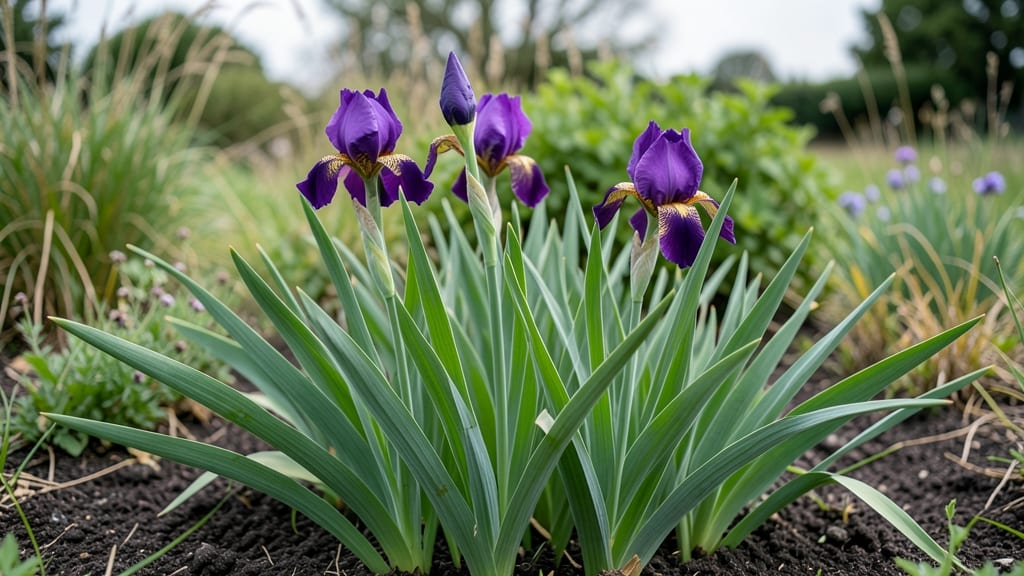
Iris flowers bloom in late spring, typically between April and June, though the exact timing depends on variety, climate, and care.
If you’ve ever wondered why your iris garden seems to bloom at the ‘wrong’ time—or why some varieties flower months apart—timing is everything. Understanding iris bloom cycles by variety and climate zone can mean the difference between a stunning spring display and missed seasonal color.
Bearded irises, the most common type, usually open their vibrant blooms in early to mid-spring, while Siberian irises often wait until late spring. Dutch irises, known for their bold colors, bloom even later, sometimes stretching into early summer.
Climate plays a huge role: cooler northern zones may see blooms push back by weeks compared to warmer southern regions.
In this guide, I’ll break down the exact months for each iris type, how your USDA zone affects timing, and the simple steps to ensure your irises bloom on schedule—so you can plan your garden layout and maintenance for the best possible display.
Iris bloom schedule by variety: month-by-month breakdown
Timing your iris blooms isn't just about luck—it's about knowing which variety thrives when. Some irises burst into color in early spring, while others wait until summer or even fall. Understanding these month-by-month patterns helps you create a garden that blooms sequentially, offering continuous color from March through September.
The key to iris bloom timing lies in their genetic programming. Most irises are spring bloomers because they evolved to flower before summer heat sets in. However, some varieties—like Japanese irises—prefer cooler summer conditions, while Dutch irises often bloom in late spring to early summer.
Let’s break down the exact monthly bloom windows for the most popular types.
| Variety | Bloom Months | Height (ft) | Notes |
|---|---|---|---|
| Bearded Iris | Late April–June | 2–3 | Classic spring bloomers; early varieties like 'White Swan' bloom in April. |
| Siberian Iris | May–June | 1.5–2.5 | Tolerates cooler climates; blooms slightly later than bearded irises. |
| Japanese Iris | June–July | 2–3.5 | Summer bloomers; thrives in moist, shaded conditions. |
| Dutch Iris | April–May | 1–2 | Early spring ephemerals; often used in cut flower gardens. |
| Louisiana Iris | May–June | 2–3 | Loves wet soil; blooms in late spring to early summer. |
| Arilbred Iris | June–July | 2–3 | Hybrid of bearded and Siberian; re-blooms in some climates. |
Bearded irises are the most familiar spring bloomers, typically bursting into color from late April through June. Early varieties like 'White Swan' or 'Blue Flag' often bloom as early as late March in warmer zones, while later types like 'Black Gamecock' may wait until June. These classic spring stars thrive in full sun and well-draining soil, making them perfect for early-season color.
If you’re craving summer blooms, turn to Japanese irises, which open their delicate petals from June through July. These varieties prefer moist, slightly shaded conditions and are ideal for gardeners who want color after spring ephemerals fade.
Pair them with hostas or ferns to create a lush, shaded border.
Dutch irises are the early spring ephemerals of the iris world, often blooming from April to May. Unlike their perennial cousins, Dutch irises are bulb-based annuals, making them perfect for forcing indoors or adding quick color to containers. Their delicate, often striped blooms make them stand out in cut flower arrangements.
For extended bloom seasons, consider Arilbred irises, which combine the best of bearded and Siberian traits. Many varieties re-bloom in late summer if given proper care, including regular division every 3–4 years and balanced fertilization in early spring.
One common question is why some irises bloom in fall or winter. While rare, certain tropical iris varieties (like Iris × hollandica) can bloom in late fall or early winter in USDA Zone 8 and above.
These are often grown as container plants and brought indoors before frost.
To maximize your iris garden’s seasonal impact, plant varieties with staggered bloom times. For example, combine early Dutch irises (April) with mid-season bearded irises (May–June) and late Japanese irises (July). This ensures your garden stays vibrant from spring through summer.
Pro tip: Keep a garden journal to track your irises’ bloom dates each year. Factors like microclimates, soil moisture, and sunlight exposure can shift bloom times by 1–2 weeks. Over time, you’ll fine-tune your planting schedule for perfect seasonal color. 🌸
How climate zones shift iris bloom times (and what to plant when)
Your USDA climate zone determines when irises bloom, sometimes shifting bloom times by 4-6 weeks between northern and southern gardens. In Zone 3-5, bearded irises often wait until late May for ideal conditions, while in Zone 8-10, they may bloom as early as March.
This shift means gardeners in warmer zones can enjoy longer bloom seasons and even fall-blooming varieties like Japanese irises.
Understanding these shifts helps you plan companion plants. For example, in Zone 6, tulips bloom alongside irises in April-May, but in Zone 9, you might pair irises with late-winter crocuses for a seamless transition. The key is matching bloom cycles to extend your garden's color palette year-round.
Comparison Table: Iris Bloom Times by USDA Zone
In cooler northern climates (Zones 3-6), irises often need a chilling period to trigger blooms. If you notice delayed blooms, consider mulching in fall to protect rhizomes from extreme cold.
In warmer southern zones (7-10), irises may bloom earlier but benefit from partial shade during peak summer heat to prevent stress.
To extend your iris season, plant early-blooming varieties like 'White Swan' bearded iris alongside late-season types such as 'Korean Fire' Siberian iris. In Zone 6-7, this creates a 6-week bloom window from April to June.
For Zone 8-10 gardeners, include Dutch irises for summer color that bridges the gap between spring and fall bloomers.
Pro tip: Use color-coded labels when planting to track bloom times. For example, mark early bloomers in blue and late bloomers in yellow to visualize your garden's seasonal progression. This simple system helps you plan companion plants like alliums (which bloom after irises) or salvias (which provide summer interest).
Remember that microclimates within your garden can also shift bloom times. A south-facing bed may bloom 2 weeks earlier than a north-facing one.
Observe your garden's patterns over 3 years to refine your planting schedule and create a stunning, sequential display that keeps your garden vibrant from early spring to late summer.