
Blooming
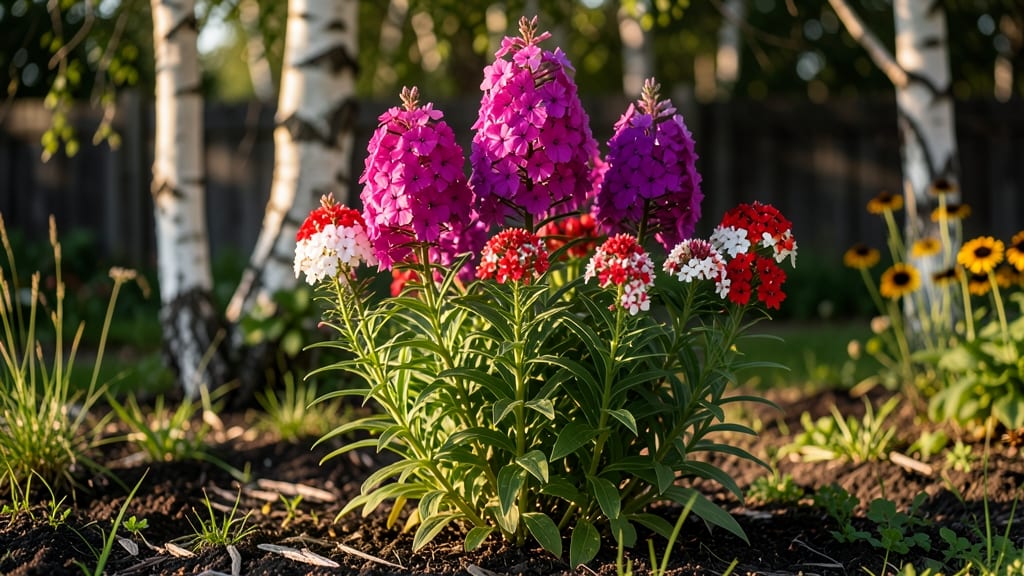
Phlox flowers bloom in spring and summer, but the exact timing depends on the variety and your growing zone.
Picture this: your garden in full vibrant color from May through August, with some varieties even stretching into September. That’s the magic of phlox—whether it’s the early show of creeping phlox or the bold clusters of garden phlox, each type has its own peak season.
In Zone 6, most phlox varieties kick off blooms in late May, with garden phlox often leading the charge. But summer phlox like Drummond phlox can wait until July, while woodland phlox might linger into early fall. Climate, sunlight, and even soil quality can shift those dates by weeks.
Here’s how to time your plantings, care for each variety, and stretch those blooms for weeks longer—so you’re not left waiting for color when the garden is ready.
Phlox bloom seasons by variety: spring vs summer vs fall
Phlox is one of the most versatile garden plants, offering three distinct bloom seasons depending on the variety. Whether you're planning for spring color, summer-long displays, or fall interest, knowing when each type flowers helps create a sequential garden that stays vibrant all season.
Let’s break down the bloom timing for the most popular types—garden phlox, creeping phlox, drummond phlox, and woodland phlox—so you can strategically place them in your landscape.
Climate plays a huge role in phlox bloom timing, especially when comparing USDA Zone 5 (colder regions) to Zone 8 (warmer climates). In cooler zones, spring-blooming varieties may start 2-3 weeks later, while summer and fall types could bloom earlier.
For example, woodland phlox in Zone 5 might wait until late May, while in Zone 8, it could bloom as early as April. Always check your last frost date and first frost date to time plantings for optimal blooms.
Garden phlox is the classic summer star, typically blooming from July to September in most regions. Its clusters of fragrant blooms in pink, purple, white, and red make it a garden centerpiece. In Zone 5, expect blooms to start around mid-July, while in Zone 8, they may begin as early as late June. For prolonged blooms, plant in partial shade to prevent early fading in hot climates.
Creeping phlox, also called moss phlox, is the spring showstopper, bursting into color from April to June. Its low-growing habit makes it perfect for rock gardens or ground cover. Some varieties, like 'Color Carpet', even offer a second bloom in late summer. In cooler climates (Zone 3-4), blooms may wait until late May, while warmer zones (Zone 7+) see earlier displays in March or April.
Drummond phlox is the wildflower favorite, thriving in spring and early summer (May-June). Unlike other phlox, it’s often grown as an annual or short-lived perennial, making it ideal for wildflower meadows. Its tiny, star-shaped blooms come in shades of pink, purple, and white. In dry climates, it may bloom even earlier (April) to take advantage of spring rains.
Woodland phlox is the shade-loving understory plant, blooming in early spring (March-April) before trees leaf out. Varieties like 'David'
How to extend phlox blooming season with proper care
Phlox blooms can last for weeks, but with the right care, you can stretch that colorful display by 4-6 weeks. The key lies in understanding each variety’s needs and adjusting your maintenance routine.
Whether you’re growing garden phlox or creeping phlox, small tweaks in watering, deadheading, and sunlight exposure make all the difference.
Most phlox varieties naturally bloom for 4-6 weeks, but with proactive care, you can coax them to flower continuously from late spring to early fall. For example, garden phlox often peaks in June, but with proper deadheading, it can produce second flushes of blooms into August.
The secret? Removing spent flowers, feeding at the right time, and protecting plants from stress.
🌸 5 Key Steps to Extend Phlox Blooms
- Deadhead weekly: Snip off faded blooms to redirect energy to new flowers. Use clean pruners to avoid disease.
- Fertilize mid-season: Apply a balanced 10-10-10 fertilizer in early June to support prolonged blooming.
- Water deeply morning/evening: Keep soil consistently moist but avoid soggy roots to prevent mildew.
- Adjust sunlight: Move creeping phlox to morning sun in hot climates to prevent wilting.
- Mulch in summer: Use 2-3 inches of mulch to retain moisture and regulate soil temperature.
Start by deadheading phlox regularly—this means pinching off spent blooms as soon as they fade. I like to do this every 7-10 days during peak bloom season. This practice tricks the plant into producing more flowers instead of setting seed.
For garden phlox, which tends to bloom in clusters, deadheading the entire stem just above a set of leaves encourages bushier growth and more blooms.
Fertilizing plays a crucial role too. In Zone 6, I apply a light feed in early June followed by a heavier dose in July to sustain blooms. Use a balanced fertilizer like 10-10-10, and always water it in well to prevent root burn.
Avoid fertilizing in late summer, as this can stimulate new growth that won’t harden off before frost.
Watering habits also impact bloom duration. Phlox thrives with consistent moisture, especially during hot spells. I water mine deeply in the morning to reduce evaporation and fungal risks. In summer heat, I increase frequency to every 5-7 days, while in cooler months, bi-weekly watering suffices.
Always check soil moisture by sticking your finger an inch deep—if it’s dry, it’s time to water.
Finally, pay attention to sunlight adjustments. Most phlox varieties prefer partial shade, but creeping phlox can handle more sun if given afternoon relief. If your phlox starts looking leggy or flowers fade quickly, it might be getting too much afternoon sun.
Try moving potted varieties or adding shade cloth to extend their bloom time by 2-3 weeks.
With these adjustments, your phlox can keep blooming well into September, giving you that extended garden color you love. The effort is minimal, and the payoff—weeks of vibrant flowers—is worth it. 🌷