
Flowers
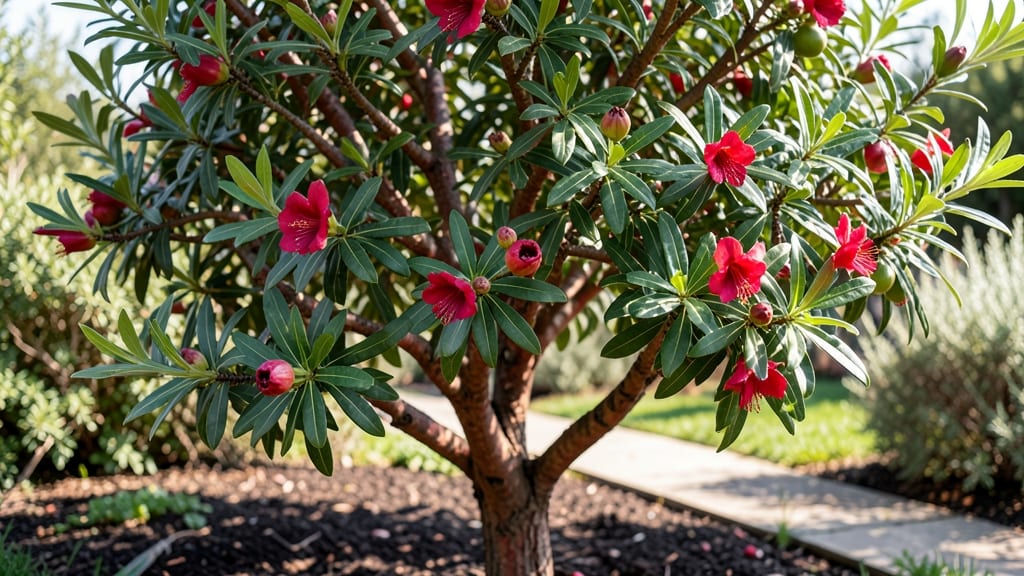
Pomegranates flower in late spring to early summer 🍇, but the exact timing depends on your USDA zone and the variety you’ve planted.
Wondering why your pomegranate tree isn’t blooming—or how to trigger those stunning red flowers? Timing is everything, and understanding seasonal cues and your USDA zone can mean the difference between a barren tree and a fruit-laden masterpiece.
In Zones 7-9, blooms typically appear after the last frost, while Zone 10-11 varieties may flower year-round. Sunlight, temperature shifts, and even pruning habits play a role in when—and if—your tree puts on its floral show.
Below, I’ll break down the seasonal triggers for blooming, how climate affects timing, and simple pruning tips to encourage optimal flowering for a bountiful harvest.
Pomegranate flowering seasons by USDA hardiness Zones
If you're dreaming of those vibrant red pomegranate blooms, timing is everything—and your USDA hardiness zone plays a starring role. In Zone 7, expect a single, dramatic late spring bloom (May-June), while Zones 9-11 can enjoy year-round flowering with multiple cycles.
Understanding these patterns helps you predict blooms and even encourage more flowers for bigger harvests.
The key difference? Cold dormancy triggers blooms in cooler zones, while tropical varieties in warmer zones flower continuously. For example, my Zone 8 pomegranate blooms twice a year—spring and fall—thanks to mild winters. Let’s break down exactly what to expect in your zone and how to work with nature’s schedule.
🌱
| USDA Zone | Primary Bloom Window | Secondary Blooms | Climate Notes |
|---|---|---|---|
| 7 | Late May - Early June | None (dormancy required) | Needs chilling hours (300-600) to break dormancy |
| 8 | April & September-October | Spring & Fall | Mild winters allow two bloom cycles |
| 9 | Year-round (peaks spring/fall) | Multiple cycles | No dormancy—continuous growth if conditions are ideal |
| 10-11 | Year-round (heaviest spring) | Ongoing blooms | Tropical varieties like 'Wonderful' thrive without cold |
In Zone 7, pomegranates follow a strict one-season bloom schedule tied to spring warmth. The tree needs 60-90 days of chilling (temperatures below 45°F) to break dormancy, which is why you’ll see buds swell in late April and flowers open by mid-May.
If your Zone 7 tree skips blooms, it might need winter protection or a cold snap to reset its cycle.
Moving to Zone 8, things get more exciting. My own 'Eversweet' pomegranate in North Carolina blooms twice yearly—once in April-May and again in September-October. The fall blooms often produce smaller fruit, but they’re still delicious.
To maximize both cycles, avoid heavy summer pruning, which can stress the tree and reduce fall flowers.
For gardeners in Zones 9-11, pomegranates are low-maintenance bloomers. Varieties like 'Mollar de Elche' flower year-round if given enough sun and water. In Zone 10, I’ve seen blooms in January, May, and October—though spring is always the most prolific.
The key here is consistent moisture and light pruning to maintain an open canopy for airflow.
One common misconception is that young pomegranate trees won’t bloom. While it’s true that 3-5 years is typical before first flowers, some dwarf varieties (like 'Nana') can bloom in their second year if given proper care.
The secret? Balanced fertilization—too much nitrogen delays blooms, while phosphorus-rich food encourages flowers.
If you’re in Zone 7 or 8 and want to extend your bloom season, try light pruning in early spring to remove dead wood and open the center. This lets sunlight penetrate and triggers more flower buds.
In warmer zones, partial shade cloth during peak summer can prevent heat stress, which might otherwise cause buds to drop.
Pro tip: Watch your local frost dates. In Zone 7, a late frost after buds swell can kill flowers and reduce fruit set. Use frost cloth if your area is prone to unpredictable cold snaps in spring.
In Zones 9-11, humidity control is key—too much moisture can lead to bacterial blooms or fungal issues that damage flowers.
🌷
Natural triggers that spark pomegranate blooms
Pomegranate trees rely on specific seasonal triggers to produce their iconic blooms, and understanding these cues can help you encourage flowering even in less-than-ideal conditions.
The key factors are sunlight exposure, temperature shifts, and dormancy cycles, especially for non-tropical varieties that need a cold period to break dormancy.
In my Zone 8 garden, I’ve seen ‘Wonderful’ pomegranates bloom in late April after a period of consistent 60-70°F temperatures and at least 6 hours of direct sunlight daily. But if your tree isn’t cooperating, don’t worry—we can mimic these natural conditions to trigger blooms.
- 1 Sunlight Exposure: Pomegranates need full sun (6+ hours/day). In Zones 7-9, blooms appear after 100+ frost-free days. If your tree is in partial shade, move it or prune nearby obstructions.
- 2 Temperature Shifts: Cold snaps (30-50°F) break dormancy for non-tropical varieties. In Zones 10-11, mimic this with 2-3 weeks of cooler nights (50-60°F) to stimulate buds.
- 3 Dormancy Requirements: Zone 7-9 trees need 200-300 chill hours (<45°F) to bloom. If your tree lacks blooms, consider winter chilling pads or relocate it to a cooler microclimate.
- 4 Pruning Timing: Prune after flowering (late summer) to avoid removing next year’s buds. Heavy pruning in winter can delay blooms by 2-3 weeks as the tree recovers.
- 5 Watering Adjustments: Reduce watering 2 weeks before expected blooms to stress the tree slightly, which can trigger flower production. Overwatering delays blooming by promoting leafy growth instead.
If your pomegranate tree is slow to bloom, start by ensuring it gets full sun exposure and adequate temperature fluctuations. For Zone 10-11 growers, creating a cool microclimate with shade cloth during hot afternoons can help mimic seasonal changes and encourage blooming.
Another trick I’ve used is light pruning in early spring to remove any dead or crossing branches, which redirects energy toward flower production. Just avoid heavy cuts—this can stress the tree and delay blooms.
Finally, pay attention to your tree’s soil health. Pomegranates thrive in well-draining, slightly acidic soil (pH 5.5-7.0). If your soil is compacted or alkaline, amend it with compost or sulfur to create ideal conditions for flowering.