
Blooming
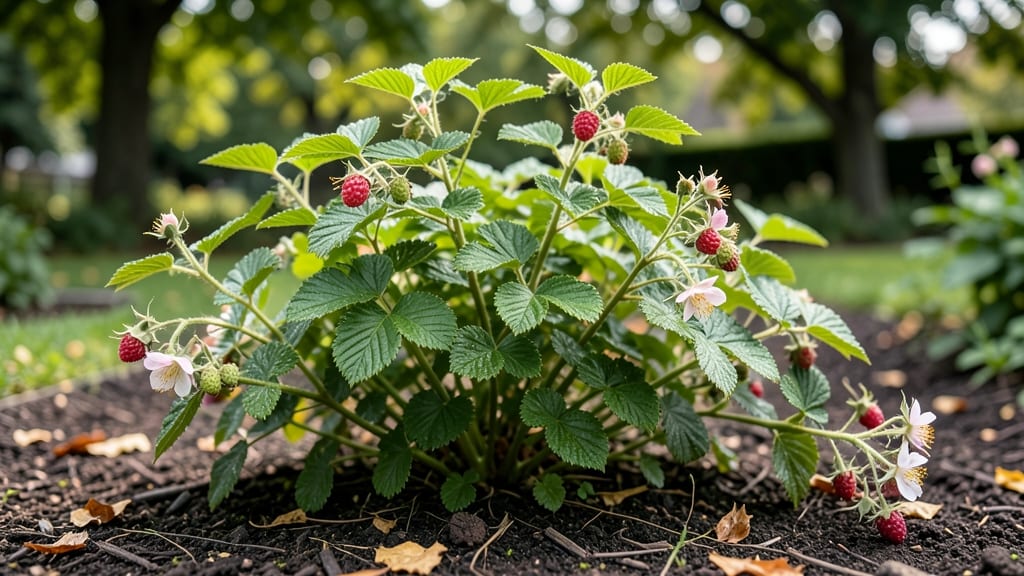
Raspberries flower in late spring to early summer 🍇, with summer-bearing varieties blooming first and fall-bearing types following weeks later.
Picture this: you’ve patiently waited months for your raspberry canes to establish, only to realize the blooms arrived too late—or worse, vanished overnight. Timing is everything, and missing the window can mean fewer berries (or none at all).
But here’s the good news: knowing your variety and USDA zone lets you predict when those delicate flowers will appear, so you can protect them from frost, pests, and overzealous pruning.
Summer-bearing types like Heritage typically bloom in May or June, while fall-bearing varieties like Boyne wait until July or August.
Below, I’ll break down the exact flowering windows for your region, plus how to encourage stronger blooms for a bigger harvest—no guesswork required.
Raspberry flowering timeline by variety: summer vs fall-bearing types
Understanding when raspberries flower is crucial for maximizing your harvest. The two main types—summer-bearing (floricane) and fall-bearing (primocane)—have completely different blooming schedules. Summer-bearing varieties produce flowers on second-year canes (floricanes), while fall-bearing varieties flower on first-year canes (primocanes).
This difference changes everything about pruning, care, and harvest timing.
If you're growing Heritage, Boyne, or Caroline varieties, knowing their exact flowering windows helps you prepare for frost risks, pest control, and fruit development. For example, a late spring frost can devastate summer-bearing blooms, while fall-bearing varieties might face challenges if summer heat arrives early.
Let's break down the key differences so you can plan your garden like a pro.
🌱
| Variety Type | Flowering Cane | Bloom Time | Fruiting Season | Pruning Time | Popular Varieties |
|---|---|---|---|---|---|
| Summer-Bearing (Floricane) | Second-year canes | Late spring (May-June) | Summer (July-August) | Dormant season (winter) | Heritage, Boyne, Nova |
| Fall-Bearing (Primocane) | First-year canes | Late summer (August-September) | Fall (September-October) | Spring (after harvest) | Caroline, Autumn Bliss, Heritage Gold |
Summer-bearing raspberries like Heritage and Boyne are classic choices for gardeners in cooler climates. Their flowers appear in late spring (May-June) on canes that grew the previous year. This means if you prune incorrectly, you might remove next year's fruit!
These varieties produce a single heavy harvest in summer, typically between July and August, depending on your USDA zone.
Fall-bearing varieties, such as Caroline and Autumn Bliss, are game-changers for those who want two harvests per year. They flower on first-year canes in late summer (August-September), producing fruit that ripens in fall (September-October).
The same canes can also produce flowers the following spring, extending your harvest window. This dual harvest makes them ideal for gardeners in warmer regions or those who love fresh raspberries well into autumn.
One critical difference is pruning timing. Summer-bearing varieties should be pruned in late winter or early spring to remove old canes, while fall-bearing varieties are pruned after harvest in spring to encourage new primocane growth.
Skipping this step can lead to overcrowded canes and reduced fruit production. For example, if you prune a fall-bearing variety too early, you might remove next year's flowering canes before they've even formed.
🌿
Climate plays a huge role in flowering timing. In USDA Zone 5 or colder, summer-bearing varieties like Heritage may bloom as early as late April, while in Zone 8 or warmer, flowering can stretch into June.
Fall-bearing varieties in the South might start flowering as early as July, while Northern gardeners could see blooms in late August. Always monitor your local frost dates—late spring frosts can wipe out summer-bearing blooms, and early fall frosts can damage fall-bearing fruit.
To optimize flowering, focus on soil health and watering consistency. Raspberries need well-draining soil with pH 5.5-6.5 and 1-2 inches of water per week, especially during bloom and fruit set. A balanced fertilizer (10-10-10) applied in early spring gives them the nutrients they need to produce abundant flowers.
Avoid over-fertilizing with nitrogen, which can lead to leafy growth at the expense of flowers.
If you're new to raspberries, start with Heritage for summer-bearing or Caroline for fall-bearing—they're both reliable and productive. For extended harvests, consider planting a mix of both types. Just remember: summer-bearing flowers mean summer fruit, while fall-bearing flowers mean fall fruit.
Plan your garden around these timelines, and you'll enjoy raspberries from July through October.
✂️
How USDA Zones affect raspberry flowering: adjusting timing by climate
Your USDA zone determines when raspberry flowers appear—sometimes shifting the window by 6-8 weeks. In Zone 3-5, cold snaps delay blooms until late May or June, while Zone 8-10 gardeners may see flowers as early as March or April.
This timing affects everything from frost protection to pruning schedules, so knowing your zone is non-negotiable.
Raspberries are cold-hardy perennials, but their flowering cycles adapt to local climates. For example, Heritage raspberries (summer-bearing) in Zone 6 bloom in early June, while the same variety in Zone 9 might flower by late April.
Understanding these shifts helps you time pruning and protect blooms from unexpected frost.
Frost risk is the biggest threat to early blooms. In Zones 3-6, a late frost can wipe out flowers before they set fruit. Meanwhile, Zones 7-10 rarely face frost after March 15, giving flowers more time to develop. I’ll show you how to adjust care based on your zone to maximize fruit production.
| USDA Zone | Typical Flowering Window | Frost Risk Period | Zone-Specific Tip |
|---|---|---|---|
| 3-5 | Late May - Early June | Until June 1 | Use frost cloth for early blooms |
| 6-7 | Early June - Mid-June | Until May 15 | Prune after last frost date |
| 8-9 | Late April - Early May | Rare after March 15 | Mulch heavily for winter protection |
| 10 | March - April | Minimal risk | Focus on summer watering |
In Zones 3-5, where winters are harsh, raspberries often delay flowering until soil temperatures reach 50°F. This means blooms appear later, but the growing season is shorter.
To compensate, I recommend planting cold-hardy varieties like Boyne or Nova, which thrive in colder climates and produce fruit on second-year canes.
For Zones 8-10, the challenge shifts to heat stress. Early blooms in March or April can lead to fruit sunscald if temperatures spike. Here, I prioritize shade cloth during peak heat and consistent watering to keep canes hydrated.
Varieties like Caroline (fall-bearing) handle this climate well by producing fruit on new canes later in the season.
Adjust your pruning schedule based on your zone. In Zones 3-6, prune summer-bearing varieties in early spring to encourage new growth before blooms appear. In Zones 7-10, delay pruning until late winter to avoid cutting off potential flower buds.
Always remove dead or diseased canes first, regardless of your zone.