
Flowers
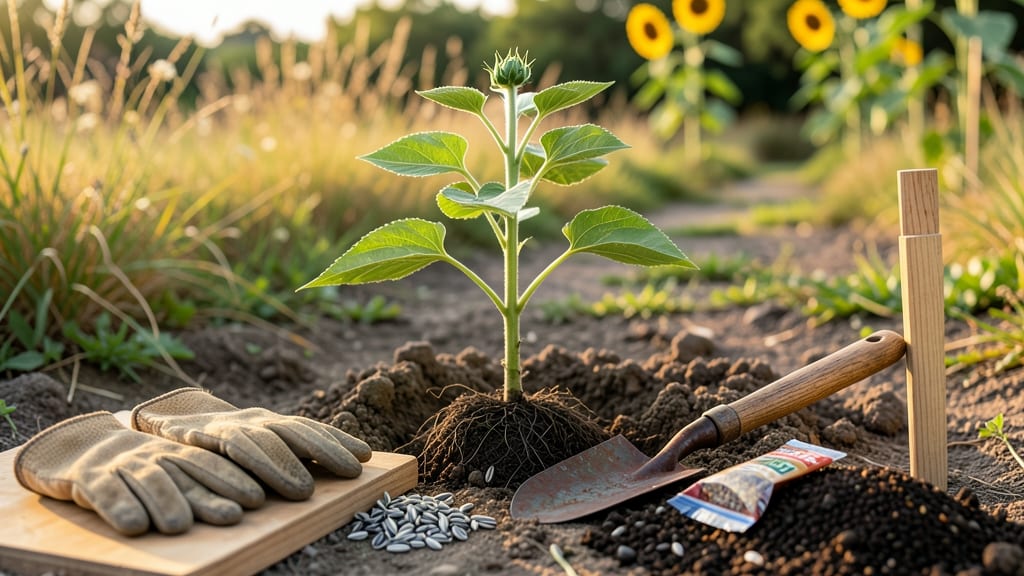
Planting sunflowers in Indiana after your last frost—around mid-April—sets them up for a showstopping summer display 🌻.
But timing isn’t just about the calendar—it’s about the soil. Too early, and chilly temperatures stall germination. Too late, and your towering blooms might miss peak season. Indiana’s 5b-6b zones add another layer, with northern areas needing a head start indoors, while southern gardens can dive right into the dirt.
Whether you’re growing 3-foot dwarfs for containers or 14-foot giants for cut flowers, this guide breaks down the best planting windows, soil temps, and variety picks for your region. No more guessing—just sunflowers that thrive from late July to October.
Ready to skip the trial-and-error? I’ll walk you through direct sowing vs. starting seeds, how to adjust for microclimates, and the one mistake that kills sunflower dreams before they even sprout.
Indiana sunflower planting dates by hardiness zone (frost-free timing)
Indiana’s diverse climate zones (5a through 6b) mean your sunflower planting window can vary by 2-3 weeks depending on location. Northern Indiana’s 5a/5b zones face earlier frosts, while southern Indiana’s 6a/6b zones enjoy longer growing seasons.
The key is planting after your average last frost date—but don’t wait too long, or your sunflowers may bolt before blooming.
Sunflowers thrive when soil temperatures reach at least 50°F, which typically aligns with Indiana’s mid-April to mid-May timeline. For direct sowing, aim for 2-4 weeks after your last frost date.
If you’re transplanting seedlings, start them indoors 4-6 weeks before your expected last frost to give them a head start.
Here’s your zone-by-zone breakdown of Indiana’s frost-free timing, including soil temperature benchmarks and ideal planting windows for both direct sowing and transplanting:
| Zone | Avg. Last Frost | Soil Temp. (°F) | Direct Sow Window | Transplant Window |
|---|---|---|---|---|
| 5a (Northern IN) | April 20–May 5 | 50°F+ | May 10–June 1 | April 15–May 1 |
| 5b (Central-North IN) | April 10–April 25 | 50°F+ | April 25–May 15 | April 1–April 15 |
| 6a (Central IN) | April 5–April 20 | 50°F+ | April 20–May 10 | March 25–April 10 |
| 6b (Southern IN) | March 25–April 10 | 50°F+ | April 10–April 25 | March 15–March 30 |
For northern Indiana gardeners (zones 5a/5b), I recommend starting seeds indoors in late March to transplant outdoors after the last frost. This gives delicate seedlings a 2-week head start before potential late frosts.
In southern Indiana (6a/6b), you can even direct sow as early as late March if your soil warms quickly.
Microclimates play a huge role in Indiana. If you live near large bodies of water or in urban heat islands, your soil may warm 1-2 weeks earlier than average. Use a soil thermometer to confirm temperatures before planting—50°F is the magic number for sunflower germination.
Pro tip: Black plastic mulch can raise soil temps by 5-10°F, extending your planting window in cooler zones.
Sunflowers are fast growers, typically reaching maturity in 70-120 days depending on variety. To maximize your bloom time, aim for late May plantings in northern Indiana and early April plantings in the south.
This ensures your sunflowers will bloom in July and August, when Indiana’s heat is most intense but before first frost risks in October.
One common mistake I see is planting too early in hopes of a longer season. Sunflower seeds won’t germinate in cold soil (below 50°F), and seedlings are frost-sensitive.
If you’re unsure about your last frost date, use row covers for early plantings or wait until mid-May for foolproof results.
For succession planting, sow a second batch in early June to enjoy fall blooms. Southern Indiana gardeners can even push this to late June, though your flowers may bloom later and face earlier frost risks.
Always space seeds 6-12 inches apart—crowded sunflowers produce smaller blooms and weaker stems.
Remember, sunflow
Best sunflower varieties for Indiana gardens (height, color, and bloom time)
Indiana’s climate—from northern chill to southern heat—offers the perfect stage for sunflowers, but not all varieties thrive equally. Tall giants like Mammoth Russian reach 12-14 feet and dominate cut-flower arrangements, while dwarf varieties like Teddy Bear stay under 3 feet, perfect for containers.
Southern Indiana’s heat favors heat-tolerant types like ProCut, which blooms reliably even in 90°F+ temperatures.
Color isn’t just for show—yellow and golden varieties like Autumn Beauty attract pollinators, while bicolor types like Moulin Rouge add dramatic flair to borders.
Bloom times range from 60 days (early Sunspot) to 120 days (late Russian Giant), so choose based on your Indiana zone and desired seasonal display.
Sunlight needs are non-negotiable: all sunflowers demand 6-8 hours of full sun daily. Even shade-tolerant dwarf varieties like Little Becka struggle below 50% sunlight. In northern Indiana, prioritize early-blooming varieties to avoid fall frosts, while southern gardens can stretch the season with late-season types like Serenity.
| Variety | Height | Color | Bloom Time | Best For |
|---|---|---|---|---|
| Mammoth Russian | 12-14 ft | Golden Yellow | 90-120 days | Cut flowers, tall borders |
| Teddy Bear | 1-3 ft | Yellow/Orange | 50-60 days | Containers, pollinators |
| Autumn Beauty | 3-5 ft | Multi-color | 60-70 days | Cut flowers, borders |
| ProCut | 5-7 ft | Yellow | 70-80 days | Heat tolerance, bouquets |
| Moulin Rouge | 4-6 ft | Bicolor (red/yellow) | 60-75 days | Dramatic accents |
| Sunspot | 2-3 ft | Yellow | 50-60 days | Early blooms, pollinators |
| Serenity | 6-8 ft | Golden | 80-90 days | Late-season blooms |
For northern Indiana gardens, prioritize early-blooming varieties like Sunspot or Teddy Bear to avoid fall frosts that hit by mid-October.
In southern Indiana, ProCut and Serenity extend your bloom season into October, even as temperatures climb. Container gardeners should opt for dwarf varieties like Little Becka, which thrive in 5-gallon pots