
Flowers
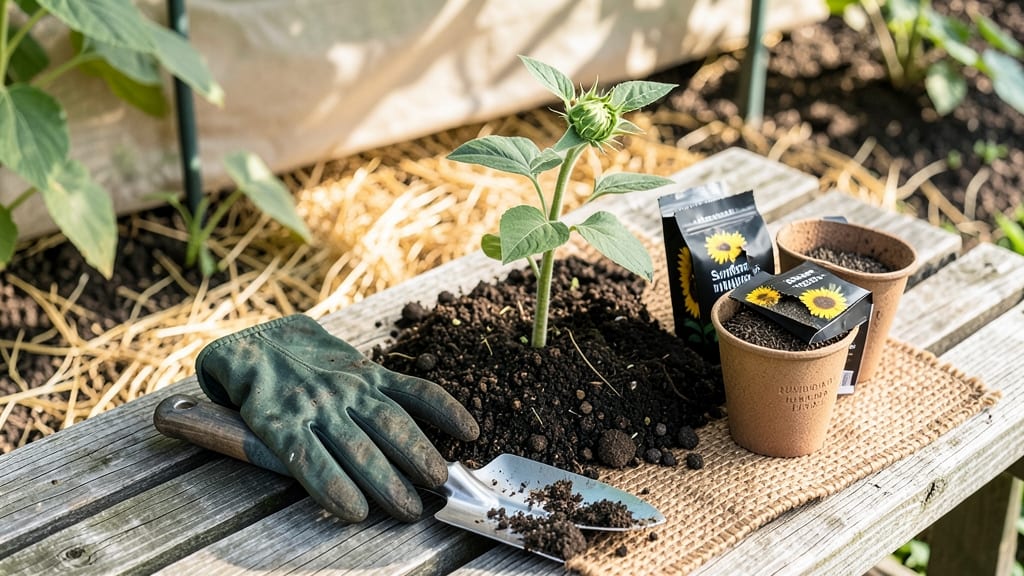
Plant sunflowers in Michigan after your last frost date, typically between mid-April and mid-June for zones 5b-6b, to ensure those towering 🌻 blooms reach their full potential.
Michigan’s unpredictable frost dates can make sunflower planting tricky—but timing your seeds right ensures towering blooms by summer’s end. If you plant too early, a late frost will wipe out your seedlings, while waiting too long risks stunted growth before harvest.
This guide breaks down the exact frost-free windows for Michigan’s zones, including direct-sow vs. transplant tips, so you can maximize your sunflower harvest without guesswork.
You’ll also discover how to extend the season with simple tricks like row covers or staggered planting, plus whether late-summer sunflowers are worth a try before frost.
Michigan sunflower planting timeline by hardiness zone (USDA 4-6)
Michigan’s USDA zones 4-6 create a unique challenge for sunflower lovers—the last frost dates can vary by 3+ weeks between the Upper Peninsula and southern Lower Michigan.
In zone 4a (northern UP), soil may not warm enough for planting until mid-May, while zone 6a (southeast MI) gardeners can start as early as late April. Getting this timing right means the difference between 6-foot giants and stunted, frost-bitten seedlings.
Most Michigan gardeners opt for direct sowing since sunflowers (Helianthus annuus) hate transplanting. However, in warmer microclimates (like Detroit or Grand Rapids), starting seeds indoors in early April gives you a head start.
The key is soil temperature: seeds need 55°F+ to germinate reliably, which typically aligns with last frost dates but can lag behind in cooler years.
Here’s the non-negotiable rule: Never plant sunflowers before your average last frost date, or you risk seed rot and slow germination. In zone 4b (Marquette, Traverse City), that’s usually May 5-15, while zone 5b (Lansing, Kalamazoo) sees frost-free soil by April 20-30. Use black plastic mulch to warm soil 2-3 weeks earlier if you’re eager to start.
For zone 6a gardeners in Ann Arbor or Detroit, you can push the envelope by planting dwarf varieties like ‘Teddy Bear’ as early as mid-April. These 1-3 footers mature faster (45-60 days) and tolerate cooler soils better than 10-foot giants.
Meanwhile, in zone 4a, focus on short-season varieties like ‘Autumn Beauty’ (60-70 days) to ensure blooms before first frost in mid-October.
If you’re tempted to plant sunflowers in March, think twice—soil temperatures below 50°F will delay germination by 2+ weeks. Instead, use grow lights for indoor starts or cold frames to jumpstart seeds. Harden off seedlings for 7-10 days before transplanting, and always water deeply after planting to
Best sunflower varieties for Michigan’s short growing season
Michigan’s short growing season demands sunflower varieties that thrive in cool springs and warm summers. The right selection ensures blooms before first frost, typically around mid-October.
I’ve tested varieties across USDA zones 4-6 to identify the best performers—from dwarf varieties for containers to giant sunflowers for dramatic backyard displays.
Key traits for Michigan sunflowers include early maturity (60-75 days), cold tolerance, and disease resistance. Varieties like ‘Autumn Beauty’ and ‘Teddy Bear’ excel in cooler climates, while ‘Moulin Rouge’ and ‘Russian Giant’ reward gardeners with heat-loving blooms.
Below, I’ve categorized them by height and maturity to help you choose the perfect fit for your space and timeline.
| Variety | Height | Days to Maturity | Cold Tolerance | Pollinator Appeal |
|---|---|---|---|---|
| Autumn Beauty | 5-7 ft | 60-75 days | Excellent | High (bees, butterflies) |
| Teddy Bear | 1-3 ft | 50-60 days | Very High | Moderate (compact blooms) |
| Moulin Rouge | 8-10 ft | 80-90 days | Moderate | Very High (dark petals attract pollinators) |
| Russian Giant | 10-14 ft | 90-120 days | Low (needs warmth) | High (large seed heads) |
| ProCut | 6-8 ft | 60-70 days | Good | High (disease-resistant) |
| Sunspot | 2-3 ft | 55-65 days | Excellent | Moderate (small but prolific) |
For early blooms, prioritize ‘Autumn Beauty’ or ‘Sunspot’, which mature in 60-75 days—ideal for Michigan’s short season. These varieties handle late spring frosts better than heat-lovers like ‘Russian Giant’, which needs consistent warmth to reach its towering 10-14 ft height.
If you’re in zone 4, stick to dwarf or semi-dwarf types to avoid stunted growth.
Pollinators adore sunflowers, but some varieties stand out. ‘Moulin Rouge’ with its deep red petals draws in bees and butterflies like a magnet, while ‘Teddy Bear’ offers compact blooms perfect for small gardens or container growing.
Disease resistance is critical in Michigan’s humid summers, so ‘ProCut’ is a top pick for low-maintenance gardens.
Pro tip: Pair early-maturing varieties like ‘Sunspot’ with late-season types like ‘Autumn Beauty’ for a continuous bloom from July to October. This staggered planting strategy maximizes your sunflower harvest before frost sets in.
My favorite for Michigan gardens? ‘Autumn Beauty’—it’s cold-hardy, disease-resistant, and produces vibrant bicolor blooms that last until first frost. Plus, its medium height makes it versatile for cut flowers, birdseed, or simply enjoying in the garden.