
Flowers
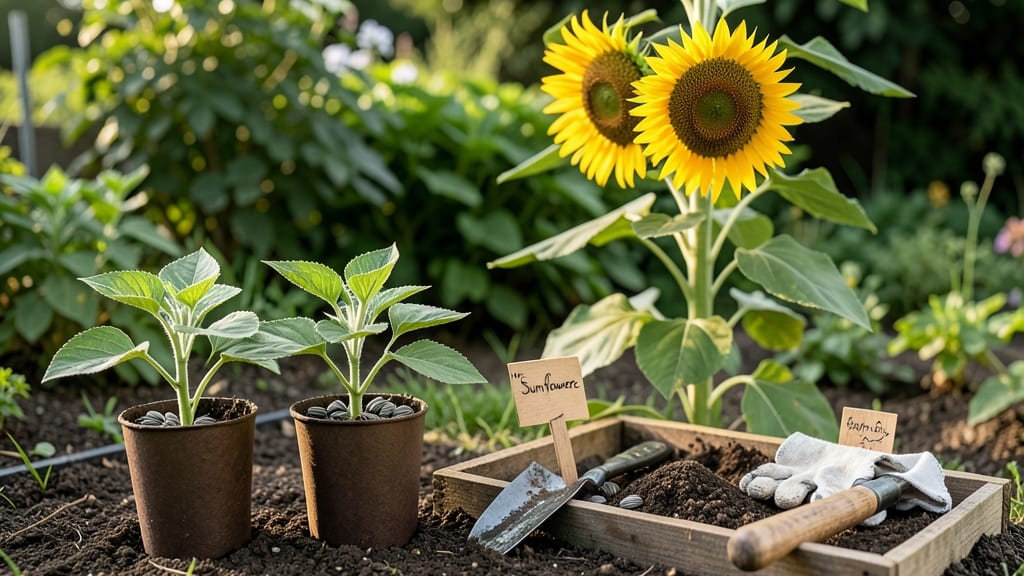
Planting sunflowers in Northern California after the last frost — typically March through April — is your best shot at those towering blooms and edible seeds.
Here’s the catch: timing matters more than you think. Skip the window, and you risk frost damage to tender seedlings or miss the sweet spot for summer-long color. Get it right, though, and you’ll enjoy sunflowers 🌻 that grow from 3 feet to 14 feet tall by harvest season.
Northern California’s microclimates complicate things, though. Coastal areas like USDA Zone 8a can plant earlier than inland spots, while the Sacramento Valley has a shorter frost-free window. I’ll break down the exact months for your region, plus how to prep soil and adjust for container planting in urban spots.
Ready to grow sunflowers that rival the Golden Gate Bridge in height? Here’s when, where, and how to plant them for maximum success — no guesswork included.
Northern California frost-free zones: exact planting months by region
Northern California’s diverse microclimates create unique planting windows for sunflowers. From the cool coastal fog of San Francisco to the hot inland valleys of Sacramento, frost dates shift dramatically. Understanding your USDA hardiness zone (typically 8a-9b) and local frost patterns ensures your sunflowers thrive year after year.
Coastal areas like San Francisco and Santa Cruz experience later last frosts (often April 15-May 1), while inland regions like Sacramento and Redding warm up faster, with first planting dates as early as March 1.
These timing differences mean the wrong schedule could leave your sunflowers stunted or frost-bitten.
Below is your region-specific planting guide, including exact months for direct sowing, soil prep tips, and frost risk warnings. Whether you’re in the Bay Area’s fog belt or Redding’s heat zone, these timelines will maximize your sunflower’s growth potential.
| Region | USDA Zone | Last Frost Date | First Planting Window | Ideal Soil Prep Month | Notes |
|---|---|---|---|---|---|
| Bay Area (San Francisco, Oakland) | 8a-9a | April 15-May 1 | Late April-May | March-April | Coastal fog delays warming; use black plastic mulch |
| Sacramento Valley (Sacramento, Davis) | 9a-9b | March 15-April 1 | March-April | February-March | Hotter inland zone; water deeply after planting |
| Northern Inland (Redding, Chico) | 8b-9a | March 1-April 1 | March-April | February-March | Cold nights possible; use row covers for early plants |
| Coastal North (Santa Cruz, Monterey) | 8a-9a | April 1-May 1 | Late April-May | March-April | Fog-prone; plant near south-facing walls |
| Urban Containers (SF, Oakland) | 8a-9a | April 15-May 1 | Late April-May | March-April | Use large pots (12"+ deep); water daily |
For Bay Area gardeners, the cool coastal climate means waiting until late April or May to plant sunflowers. The foggy mornings can delay soil warming, so amend your beds with compost and black plastic mulch in March to speed up the process.
If you’re in San Francisco’s Sunset Zone 14-16, consider starting seeds indoors in February for a head start.
Inland areas like Sacramento and Redding offer earlier planting windows, with March 1-April 1 being ideal. These regions benefit from warmer daytime temperatures, but cold nighttime frosts can still occur. Use row covers or straw mulch to protect young seedlings from unexpected chills.
The Sacramento Valley’s heat also means sunflowers may bolt faster—opt for dwarf varieties if you’re concerned about heat stress.
If you’re planting in containers (common in urban areas), follow your local last frost date but be prepared to water more frequently. Pots dry out faster, and sunflowers need consistent moisture during their first 6 weeks.
Choose large containers (12"+ deep) to accommodate their deep taproots, and place them in full sun locations with no afternoon shade.
One common mistake is planting sunflowers too early in cooler zones. Young plants can’t tolerate soil temperatures below 50°F, which is why Bay Area gardeners should wait until soil warms to 55°F+. Use a soil thermometer to check—if it’s cooler, hold off for 1-2 weeks.
For inland gardeners, the opposite risk applies: planting too late can lead to overly tall, leggy plants that struggle in summer heat.
For fall-blooming sunflowers, you can also plant a second crop in July-August in most regions. These late plantings will bloom in September-October, providing extended harvest windows and
Best sunflower varieties for Northern California’s climate & their ideal planting times
Northern California’s diverse microclimates mean your sunflower choices should match both height goals and bloom timing. Giant varieties like 'Russian Giant' need early starts to beat summer heat, while dwarf types like 'Moulin Rouge' thrive with late-season planting.
I’ll show you which varieties work best for summer vs. fall blooms and how to time them for maximum impact.
For tall sunflowers (10+ feet), plant 'Russian Giant' or 'Mammoth' varieties in March—they need the full growing season to reach their towering heights before first frost.
These giants also handle heat better than most, making them ideal for inland areas like Sacramento where summer temperatures can soar. Coastal gardeners should opt for semi-dwarf varieties like 'Autumn Beauty' that bloom later but tolerate cooler coastal summers.
If you prefer compact sunflowers (3-5 feet), 'Moulin Rouge' and 'Teddy Bear' are perfect for late summer planting (May-June). These varieties bloom quickly and handle urban containers well, making them great for balcony gardens in cities like San Francisco.
Their shorter stature also means they won’t overwhelm small spaces or require staking.
Northern California’s heat tolerance varies by region. Inland areas (e.g., Sacramento Valley) can plant giant varieties as early as February if using row covers for frost protection. Coastal regions (e.g., Sonoma Coast) should wait until April to avoid chilly coastal winds that stunt growth.
Always check your last frost date—typically March 15-April 15—to time planting perfectly.
| Variety | Height | Best Planting Time | Heat Tolerance | Bloom Season | Ideal For |
|---|---|---|---|---|---|
| 'Russian Giant' | 10-14 ft | March (inland), April (coastal) | High | Mid-summer to early fall | Cut flowers, seed production |
| 'Moulin Rouge' | 3-5 ft | May-June (late season) | Moderate | Late summer to fall | Containers, urban gardens |
| 'Autumn Beauty' | 5-7 ft | March-April | Moderate | Fall | Coastal gardens, long-lasting blooms |
| 'Teddy Bear' | 2-4 ft | April-May | Low | Summer | Children’s gardens, borders |
| 'Mammoth' | 8-12 ft | March (inland), April (coastal) | High | Mid-summer | Cut flowers, seed saving |
For fall blooms, prioritize 'Autumn Beauty'—its bicolor petals (red and yellow) thrive in cooler coastal summers and extend your garden’s color into October. Plant these in March for late-season enjoyment.
If you’re after edible seeds, 'Russian Giant' and 'Mammoth' produce the largest seeds but need full sun and consistent watering to prevent bolting.
Pro tip: Direct-sow seeds after your last frost date—Northern California’s soil warms quickly in spring, so avoid starting indoors unless you’re in a cooler microclimate like the Mendocino Coast. Space seeds 6 inches apart for dwarf varieties and 12-18 inches apart for giants.
Mulch with straw or wood chips to retain moisture and suppress weeds during the hot, dry summers typical of inland regions.
Don’t overlook container planting for urban gardeners! Dwarf varieties like 'Teddy Bear' thrive in 5-gallon pots with well-draining soil. Place containers in full sun and water deeply every 3-5 days—they dry out faster than in-ground plants.
With the right variety and timing, you’ll enjoy sunflowers blooming from June through October, no matter where you live in Northern California.