
Flowers
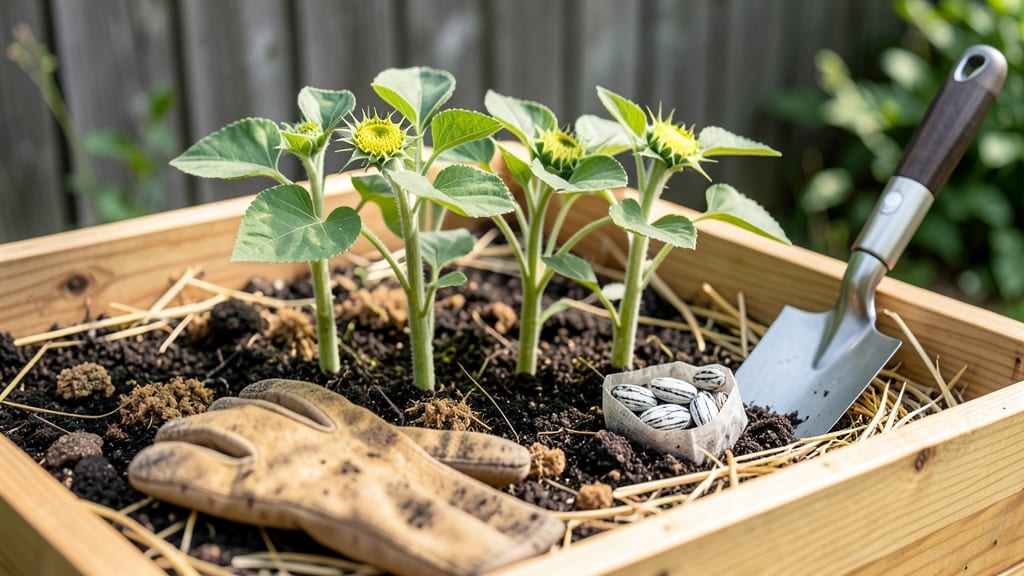
To plant sunflowers in California, aim for early spring or late summer when soil warms to 60°F+—this timing avoids frost and maximizes your chances of those iconic towering blooms 🌻.
Sunflowers aren’t just cheerful garden stars—they thrive best when planted at the perfect time, especially in California’s diverse climate zones. Get the timing wrong, and you’ll miss out on those iconic towering blooms that attract pollinators and brighten up summer landscapes.
Coastal areas like USDA Zone 10a can plant as early as February, while inland zones (9b–10a) wait until March or April. Late summer plantings also work, giving you fall blooms before cooler weather sets in.
Below, I’ll break down the exact deadlines by zone, soil prep tips, and how to adjust for microclimates—so you can grow sunflowers that reach their full, sun-soaked potential.
California sunflower planting deadlines by hardiness Zone (USDA 7-11)
California’s diverse climate means your sunflower planting deadlines can vary dramatically between USDA zones 7 and 11. In cooler coastal zones (7-9), like San Francisco or Santa Barbara, you’ll want to plant 2-4 weeks earlier than inland areas to avoid late spring chills.
Meanwhile, hot desert zones (10-11), such as Palm Springs or Death Valley, offer nearly year-round planting—but summer heat demands succession planting for continuous blooms.
For all zones, the ideal soil temperature for germination is 60-70°F. Use a soil thermometer to check—if it’s below 55°F, wait another week. In Zone 11, where frost is rare, you can plant year-round, but late summer (August-September) gives you fall-blooming sunflowers before winter rains arrive.
Here’s your zone-by-zone planting timeline, including frost risk and soil prep tips to maximize success:
In Zone 7, where late frosts can linger until April, opt for early-maturing varieties (60-70 days) like ‘Teddy Bear’ or ‘Moulin Rouge’ to avoid chilly nights stunting growth.
For Zones 9-11, where summer heat can stress seedlings, use shade cloth until plants reach 6 inches tall, then transition to full sun.
Pro tip: Succession planting in late summer (August-September) gives you a second bloom cycle before winter. In Zone 11, where frost is nonexistent, you can even plant every 4-6 weeks for continuous color.
Just ensure your soil stays moist during germination—California’s dry winds can dry out seeds faster than you think.
For coastal gardeners, watch for morning fog, which can delay germination. If your soil feels cool to the touch, cover seeds with black plastic mulch for 2-3 days to warm it up.
Inland gardeners should avoid planting in June—the peak heat (100°F+) can cause bolting (premature flowering) or seed drop.
How to adjust planting dates for California’s microclimates
California’s microclimates can shift sunflower planting dates by weeks—sometimes even months! Coastal areas like San Francisco enjoy mild winters, while Death Valley faces extreme heat. Understanding these differences ensures your sunflowers bloom on schedule, not flop from stress.
For example, coastal fog keeps San Francisco gardens cooler, letting you plant sunflowers as early as February. Meanwhile, inland areas like Bakersfield wait until March or April to avoid late-spring frost risks. Even elevation matters—mountain gardens may need 2–4 weeks later than valley floors.
Here’s how to fine-tune your planting timeline based on your local conditions:
Pro tip: Use a soil thermometer to confirm 60°F+ soil temps—this beats guessing. In coastal zones, watch for morning fog burn on young seedlings; water lightly at dusk instead. For inland heat, plant shade cloth over seedlings until they’re 6 inches tall.
Case study: My San Francisco garden blooms sunflowers in May–June when planted in February, while my friend in Bakersfield gets July–August blooms from April plantings. The same variety—just different timing! Adjust for your microclimate, and you’ll enjoy sunflowers year-round 🌻.