
Planting
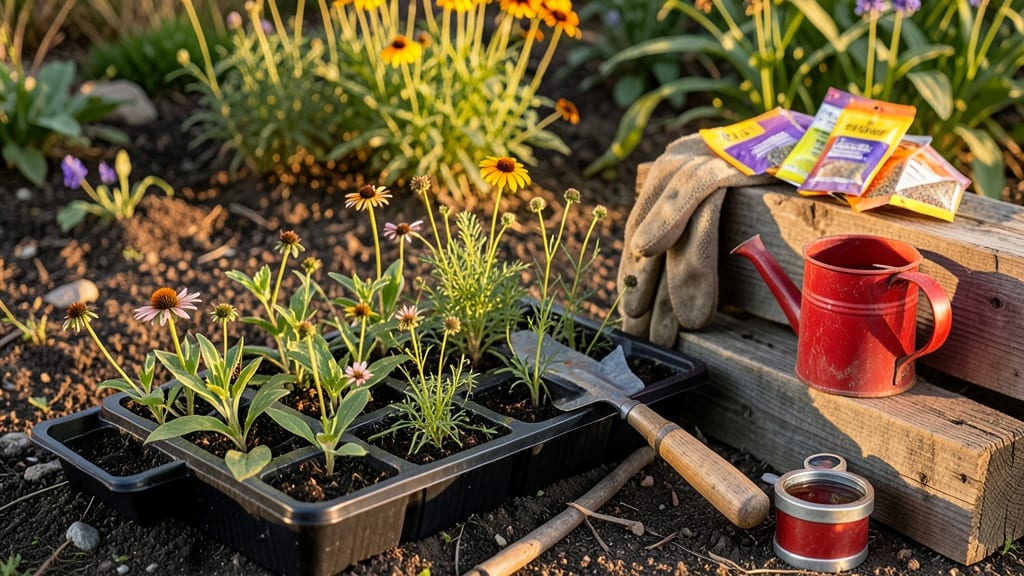
You plant wildflowers in early spring or early fall 🌼 to align with their natural growth cycles and avoid frost damage, which is the key to a thriving meadow.
Timing your wildflower planting just right can mean the difference between a vibrant meadow and a patch of disappointment—here’s your foolproof guide to planting deadlines that guarantee stunning blooms every season.
Whether you’re in USDA Zone 6a or another region, knowing the right window for annuals (spring/fall) versus perennials (spring/early summer) ensures your seeds take root without stress.
Below, I’ll walk you through the best months for each variety, soil prep tips, and how to extend your wildflower season—no guesswork, just guaranteed beauty.
USDA Zone planting deadlines for wildflowers by season
Planting wildflowers at the right time ensures vibrant blooms and thriving pollinators. The USDA zone you live in determines your frost-free planting window, but understanding seasonal patterns for annuals, perennials, and biennials is key.
Whether you're in Zone 3 or Zone 10, timing matters—plant too early, and frost will kill tender seedlings; too late, and you’ll miss the growing season entirely.
Most wildflowers prefer cool-season planting in early spring or fall sowing for a head start. However, warm-season varieties like cosmos and sunflowers thrive when planted after the last frost.
Below, I’ve broken down the optimal planting deadlines by zone and plant type, so you can create a meadow that blooms beautifully every season.
| USDA Zone | Annuals (Spring) | Perennials (Spring) | Biennials (Fall) | Cold-Hardy Exceptions |
|---|---|---|---|---|
| Zones 3-5 | March 15 - April 30 | April 1 - May 15 | August 15 - September 30 | Some perennials (e.g., black-eyed Susan) can handle fall planting in Zone 4. |
| Zones 6-8 | February 15 - April 15 | March 1 - April 30 | July 30 - September 15 | Milkweed and coneflower can be sown in late fall (Zone 7+). |
| Zones 9-10 | January 15 - March 15 | February 1 - March 15 | June 15 - August 15 | Year-round planting possible for warm-season natives like blanket flower. |
| All Zones | Last frost date + 2 weeks | After soil reaches 60°F | 6-8 weeks before first frost | Check local frost dates for precise timing. |
For annual wildflowers, aim to plant 2-4 weeks before your last frost date. This gives seeds time to germinate before soil warms up. In Zones 3-5, where winters are harsh, focus on spring planting—most annuals won’t survive a fall freeze.
However, cold-hardy varieties like bluebonnets or lupines can handle fall sowing in milder microclimates.
Perennial wildflowers, like coneflowers or bee balm, benefit from early spring planting (as soon as soil is workable) or early fall in warmer zones. These plants establish deep root systems over time, so give them a head start before summer heat sets in.
In Zones 6-8, you can even plant perennials in late summer for a second flush of blooms the following year.
Biennial wildflowers, such as foxglove or hollyhock, follow a different schedule. Sow seeds in late summer (August-September) so they germinate and grow small roots before winter. This gives them a jump start for their second-year blooms. In Zones 9-10, where winters are mild, you can plant biennials in early fall or even late winter for a spring display.
One common mistake is planting warm-season wildflowers too early. Varieties like cosmos or zinnia won’t germinate in cold soil—wait until the soil temperature reaches at least 60°F. Use a soil thermometer to check, or plant after your last frost date.
In Zones 3-5, this might mean waiting until mid-May, while in Zone 10, you can plant as early as January.
If you’re in a transition zone (e.g., Zone 7b), pay attention to microclimates. A south-facing slope warms up faster than a shady valley, so adjust your planting timeline accordingly.
For example, you might plant spring annuals 2 weeks earlier on a sunny hillside. Always check your local frost dates—they can vary by 1-2 weeks even within the same zone.
For fall planting, aim to sow seeds 6-8 weeks before your first frost. This gives seedlings enough
Best wildflower varieties and their ideal planting months
Choosing the right wildflower varieties and planting them at the perfect time ensures a vibrant, long-lasting meadow that thrives with minimal effort. Some wildflowers love cool spring soil, while others prefer the warmth of summer—knowing their preferences makes all the difference.
For example, cosmos and black-eyed Susans thrive when sown in early spring, while milkweed and coneflower do best in late spring or early summer once the soil warms up.
Timing isn’t just about the season—it’s also about your USDA hardiness zone. In cooler zones (like 3-5), you might plant annual wildflowers as early as March, while warmer zones (8-10) can start sowing seeds in late winter or even late fall.
Always check your last frost date and aim to plant 4-6 weeks before to give seeds time to germinate before summer heat arrives.
- 1 Cosmos (Cool/Warm Season): Plant March-April or August-September for fall blooms. Thrives in full sun and tolerates poor soil.
- 2 Black-Eyed Susan (Warm Season): Sow April-May after soil reaches 60°F+. Drought-resistant once established.
- 3 Milkweed (Warm Season): Plant May-June for monarch butterflies. Needs well-draining soil and 6+ hours of sun.
- 4 Coneflower (Warm Season): Best sown April-May or September in cooler zones. Attracts pollinators year-round.
- 5 Lupine (Cool Season): Plant September-October or March-April. Fixes nitrogen in soil—great for poor gardens.
If you’re aiming for year-round color, consider a staggered planting schedule. For instance, sow cool-season wildflowers like lupine and poppies in early fall, then follow up with warm-season varieties like sunflowers in spring.
This ensures blooms from early spring through late fall without gaps. Just remember: annuals (like cosmos) need yearly replanting, while perennials (like coneflower) return every year with proper care.
For pollinator-friendly gardens, prioritize native wildflowers like bee balm or goldenrod, which thrive in your local climate and support native insects. These varieties often have broader planting windows—some even tolerate light frosts—making them low-maintenance choices.
Always avoid over-fertilizing, as wildflowers prefer lean soil and will bloom more vigorously without excess nutrients.
Pro tip: Pre-treat your soil by loosening the top 2-3 inches with a rake or tilling tool to improve seed-to-soil contact. Lightly scratch the surface after sowing—never bury seeds deeper than ¼ inch—and keep the area consistently moist until germination.
Most wildflowers sprout within 10-21 days, depending on the variety and weather.
With the right planting timing and a mix of seasonal varieties, your wildflower garden will become a pollinator paradise that blooms effortlessly year after year.
Start with just a few favorites, experiment with different zones, and soon you’ll have a self-sustaining meadow that requires almost no upkeep—just sunshine and patience. 🌻