
Flowers
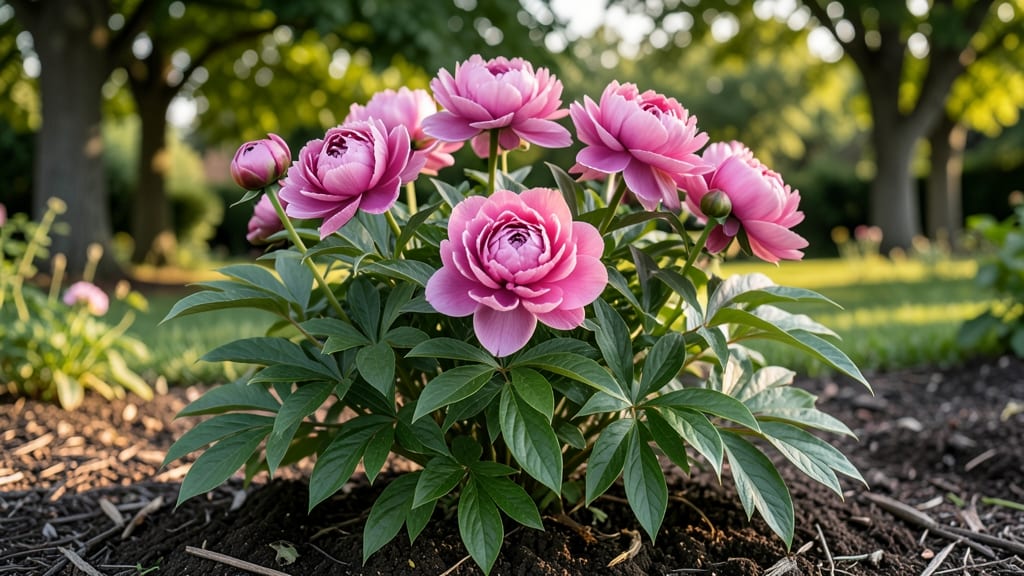
Peonies flower in late spring to early summer 🌸, with their exact timing depending on your USDA zone and variety—think May through June for most gardeners.
If you’ve ever waited impatiently for those velvety blooms, you know the frustration of a missed window. A single week can mean the difference between a garden full of peony splendor and a season of disappointment.
In Zone 6a, where peonies thrive, blooms typically kick off in early May, peaking by Memorial Day. But cooler climates like the Pacific Northwest may see flowers as late as mid-June, while Southern gardens might burst into color by early April.
Here’s how to time your planting, care, and even pruning to ensure your peonies put on their best show—plus the secrets to extending their bloom season for weeks of color.
Peony blooming timeline by USDA zone: month-by-month guide
Peonies are one of the most anticipated spring blooms, but their exact timing depends heavily on your USDA zone and regional microclimates. In cooler zones like 3-5, expect blooms as early as late April, while warmer zones like 8-9 may see flowers in late May to June.
Even within the same zone, Pacific Northwest peonies often bloom 2-3 weeks earlier than those in the Midwest due to milder winters.
Herbaceous peonies (the classic garden varieties) typically bloom 1-2 weeks earlier than tree peonies, which have later, more extended flowering seasons. Understanding these variations helps you plan pruning, fertilizing, and even cutting arrangements for peak beauty.
Let’s break down the exact months by zone so you never miss your peonies’ grand performance.
| USDA Zone | Herbaceous Peonies | Tree Peonies | Regional Notes |
|---|---|---|---|
| 3-4 | Late May - Early June | Early June - Mid-June | Shortest season; mulch heavily for frost protection. |
| 5-6 | Mid-May - Late May | Late May - Early June | Classic Midwest timing; watch for late frosts. |
| 7-8 | Late April - Mid-May | Early May - Late May | Pacific Northwest blooms 2 weeks earlier than Southeast. |
| 9 | Early May - Early June | Mid-May - Early June | Longest season; may rebloom in fall with care. |
In USDA Zone 3-4, where winters are harsh, peonies often bloom later to avoid late spring frosts. I’ve seen Sarah Bernhardt herbaceous peonies in Minnesota open as late as June 1st—but with proper mulching and sun exposure, you can coax earlier blooms by 2 weeks.
For example, planting in a south-facing border with 3+ hours of afternoon sun accelerates bud development.
Zones 5-6 (the heart of peony country) offer the most predictable timing, with mid-May being the sweet spot for Kansas City and Chicago gardens. Here, tree peonies like Shini or Bartzella often produce secondary blooms in September if deadheaded promptly.
The key is to prune spent blooms down to the first healthy leaf pair—never cut into the woody stems.
Warmer zones like 7-9 experience earlier blooms, but heat can shorten the season. In Georgia or California, peonies may finish flowering by late May unless given afternoon shade. I’ve noticed tree peonies in Zone 9 sometimes bloom in March if planted near a water feature to moderate temperatures.
For coastal areas, expect 1-2 weeks earlier blooms than inland regions.
Regional microclimates play a huge role. For instance, Portland, Oregon (Zone 8) peonies often bloom 3 weeks earlier than those in Denver, Colorado (Zone 5), despite similar zones.
This is why I always recommend local garden center advice—they know which varieties thrive in your specific heat sums and chill hours. Pro tip: Early-blooming varieties like Coral Charm suit cooler zones, while late bloomers like Duchesse de Nemours handle heat better.
Herbaceous peonies typically have a 7-10 day bloom window, while tree peonies can stretch theirs to 3-4 weeks
How to predict and extend your peonies’ bloom season
Peonies are finicky about timing—get their care right, and you’ll enjoy blooms for 2-3 weeks of pure garden magic. But their natural window is tight, usually late May to early June in most zones.
The good news? With a few strategic tweaks, you can shift blooms earlier or later by 2-4 weeks, ensuring your garden stays vibrant longer.
Understanding how to predict and extend peony blooms starts with their root zone and sunlight needs. These two factors are the biggest levers for controlling bloom timing.
For example, deeper planting in cooler climates can delay blooms, while full morning sun encourages earlier flowering. Let’s break down the exact steps to make it happen.
Deeper = later blooms; shallower = earlier blooms
6+ hours of sun = earlier blooms; partial shade = delayed blooms
Warmer soil = earlier blooms; cooler soil = delayed blooms
Cut back after blooms = encourages next year’s buds; prune too early = delays blooms
Start by adjusting your planting depth. If you want blooms 2 weeks earlier, plant your peony 1 inch shallower than the recommended 2 inches. This exposes the buds to warmer soil faster, signaling the plant to bloom sooner.
Conversely, for later blooms, bury the roots 1-2 inches deeper—this keeps the soil cooler longer, delaying the bloom trigger.
Next, focus on sunlight exposure. Peonies need 6+ hours of full sun daily, but the timing matters. If you’re in a hot climate (Zones 7-9), provide morning sun and afternoon shade to prevent stress.
In cooler zones, full sun all day will push blooms earlier. Just avoid late afternoon shade, which can confuse the plant’s internal clock and delay flowering.
Don’t overlook soil preparation. Peonies thrive in well-draining, slightly alkaline soil (pH 6.5-7.5). Amend your soil with compost and bone meal in early spring to boost phosphorus—this nutrient directly fuels bloom production.
For a later bloom season, hold off on heavy feeding until mid-April; for earlier blooms, fertilize in late February.
Finally, master the art of pruning. Always wait until after the foliage dies back naturally (usually late fall) to prune. Cut stems back to 2-3 inches above the ground—never earlier.
This ensures the plant stores enough energy for next year’s buds. If you prune too soon, you risk delaying or reducing blooms the following season.
With these tweaks, you can extend your peony’s bloom season by up to 4 weeks, giving you more time to enjoy their velvety petals and intoxicating fragrance. The key is consistency—monitor your plants’ response and adjust one factor at a time for the best results. Happy gardening! 🌸