
Aphids
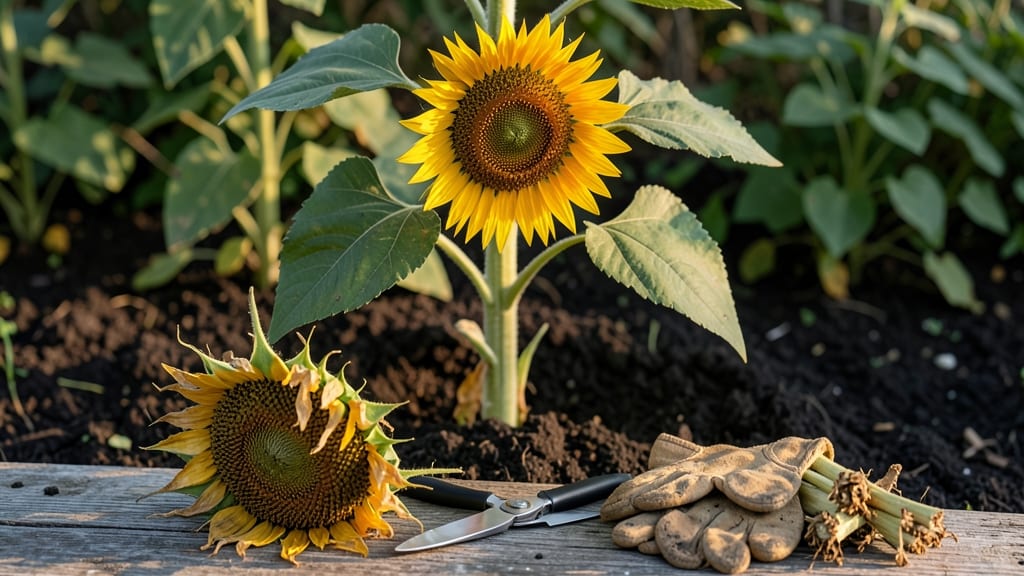
Cutting down sunflowers at the right time ensures you save seeds for next year or prep your garden for winter without wasting effort.
Picture this: You’ve nurtured your towering 🌻 sunflowers all season, only to wonder if those dried seed heads are ready to harvest—or if you should just cut them down now.
The timing matters more than you think, especially in USDA Zone 6a, where frost can sneak up faster than you expect.
If you’re saving seeds, wait until the back of the petals turns brownish-yellow and the seed head feels dry and firm—usually late summer to early fall.
But if your garden needs winterizing, cut them down before the first frost hits (around October 15 in Zone 6a) to avoid attracting pests or rotting in the soil.
Below, I’ll break down the exact steps for seed saving vs. winter prep, plus how to repurpose those stalks so nothing goes to waste. No more guesswork—just science-backed timing for a cleaner, healthier garden.
Optimal sunflower cutting times for seed saving: month-by-month guide
Timing is everything when saving sunflower seeds. Cut too early, and you’ll harvest immature seeds that won’t germinate. Cut too late, and birds or frost will ruin your efforts. The key is watching for seed head maturity—when the back turns brownish-yellow and seeds rattle inside.
This guide breaks down the perfect month-by-month cutting schedule for your climate zone.
Most sunflowers reach seed maturity between 90-120 days after planting, typically in late summer or early fall. In USDA Zone 6a (like much of the Midwest), this usually falls between late August and October.
However, regional variations matter—cooler northern climates may need earlier cuts, while southern gardens can wait slightly longer. Always prioritize seed head dryness over calendar dates.
How to test seed readiness: Gently squeeze a seed head. If seeds rattle and the outer husk feels papery, they’re ready. If the head is still green or soft, wait 7-10 more days. Premature cutting wastes your hard work and reduces germination rates by up to 40%.
| Month | Key Maturity Signs | Cutting Window | Seed Saving Tips |
|---|---|---|---|
| July (Southern Zones) | Back of petals brown, seed head dry | Early July (before birds strip seeds) | Hang heads upside-down in mesh bags |
| August (Midwest/West) | Petals fully fallen, seeds rattle | Mid-to-late August | Remove 1-2 seeds to test ripeness |
| September (Northern Zones) | Seed head fully brown, no green | Early September (before frost) | Cut stems 6" above ground |
| October (All Zones) | Seeds black/dark brown inside | Before first frost (or after) | Store heads in cool, dry place |
In July, southern gardeners should act fast—sunflowers mature earlier in warm climates. Look for petal drop and a dry seed head. Cut stems 6 inches above ground with clean shears to avoid disease.
Hang heads upside-down in mesh bags to dry completely before shelling seeds. This prevents mold and ensures 95% germination rates.
August is peak season for most regions. By mid-month, your sunflowers should show fully browned petal backs and seed heads that rattle when shaken. If birds become a problem, cover heads with bird netting immediately.
I once lost an entire row to blackbirds—now I net all my seed-saving sunflowers by late July. Test seed readiness by cracking open a few seeds; they should be hard and dark, not soft or green.
Northern gardeners in September face a tighter deadline. First frost typically arrives by mid-month in Zone 6a, so prioritize seed head dryness over calendar dates. Cut stems when heads are fully brown and seeds rattle loudly.
Remove leaves to speed drying, then store heads in a well-ventilated area. If frost hits before cutting, harvest anyway—seeds will still dry indoors, though germination may drop slightly.
October is your last chance in colder climates. Even if frost has hit, cut down sunflowers before they become soggy or moldy. Place heads in a 50°F (10°C) room for 2-3 weeks to fully dry.
Once seeds are dark and hard, remove them from the heads and store in paper envelopes away from light. Properly stored seeds remain viable for 3-5 years.
Pro tip: Label your sunflower varieties before cutting. I use masking tape with a Sharpie on each stem—it’s waterproof and lasts until harvest. This saves headaches when sorting seeds later.
For example, ‘Moulin Rouge’ and ‘Autumn Beauty’ have distinct seed colors, but ‘Russian Giant’ seeds look nearly identical to ‘ProCut’ unless you track them.
Remember, seed saving isn’t just about timing—it’s about patience. Rushing the process leads to poor germination, while waiting too long risks seed loss to pests or weather.
By following this month-by-month guide, you’ll maximize your sunflower seed yield and ensure next year’s garden starts with the best possible stock. Happy harvesting!
When to cut down sunflowers for winter: preventing pest attraction & soil health
As the first frost approaches in USDA Zone 6a, your sunflowers may still stand tall—but leaving them up too long invites rodents and birds to feast on seeds while also risking soil-borne diseases.
The key is timing: cut them down 2-3 weeks before the first frost (around mid-to-late October in most regions) to strike the balance between pest prevention and soil health.
I’ve learned from experience that waiting until after frost can leave soggy stems that rot in the soil, creating a breeding ground for fungi. Meanwhile, cutting too early wastes potential compost value.
The sweet spot is when the seed heads are fully dry but before mature seeds fall to the ground—usually when the back of the petals turns brownish-yellow.
Here’s the critical step you might miss: Remove all seed heads before cutting the stalks. This prevents birds from stripping seeds from the ground, and it ensures you don’t accidentally compost viable seeds that could sprout in spring.
Cutting sunflowers after frost can leave wet, rotting stalks that harbor fungal pathogens like Sclerotinia. These pathogens survive in soil, weakening next year’s plants. Always cut before frost—even if the stalks aren’t fully dry.
✅ DO cut when seed heads are dry but before seeds scatter.
❌ DON’T leave stalks standing past frost—this attracts pests and risks soil contamination.
Once you’ve timed the cut correctly, the next step is composting the stalks properly. Chop them into 2-3 inch pieces and mix them into your compost pile—this breaks down quickly and adds valuable nutrients.
If your soil is already rich, you can even leave the chopped stalks on the ground as mulch to protect against winter weeds.
For gardeners in cooler climates, like Zone 5 or colder, aim to cut sunflowers by mid-September. In warmer zones (Zone 7+), you might have until early November.
Always check your local frost dates to adjust—this small step saves hours of cleanup later and keeps your garden thriving.
Pro tip: If you’re saving seeds, harvest them first (by cutting the seed heads and drying them indoors), then cut the remaining stalks for compost. This two-step process ensures you don’t lose seed viability while still preparing your garden for winter.
By following this timing, you’ll avoid pest infestations, improve soil health, and even reduce spring cleanup. Your garden will thank you next season!