
Flowers
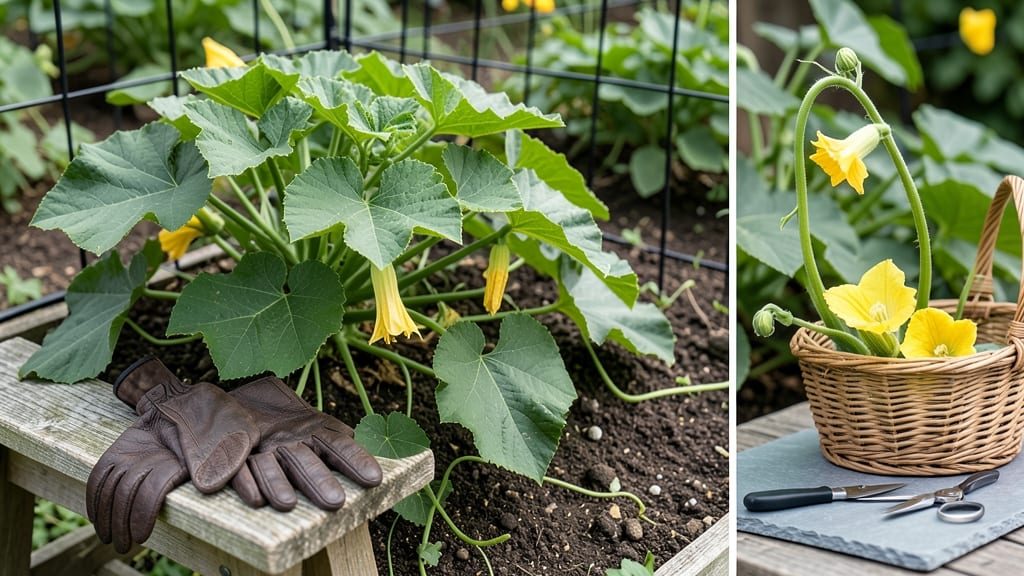
To pick zucchini flowers at the best time ensures both pollination success and the freshest blooms for your kitchen 🎃 — and missing this window means smaller yields and bitter-tasting blossoms.
Most gardeners assume "morning" is always the answer, but the ideal moment depends on your plant’s maturity, local weather, and even the time of day the flower opened. A 5-minute check in the right conditions can mean the difference between a vibrant harvest and wasted effort.
Here’s how to spot the perfect zucchini flower—when its petals are fully unfurled, bright yellow, and crisp to the touch—and why harvesting at dawn keeps them tender. We’ll also cover how often to pick without starving your plant of fruit.
You’ll learn the exact timing for morning vs. afternoon harvests, regional tweaks for USDA Zone 6a, and the one mistake that kills your zucchini crop faster than drought.
Optimal harvest time for zucchini flowers: morning vs. afternoon insights
Timing matters when harvesting zucchini flowers—picking at the wrong time can ruin their delicate flavor and impact your plant's fruit production. The best window for harvesting is early morning, when flowers are at their peak freshness and dew hasn't yet caused wilting.
This timing also maximizes pollination success for your zucchini crop, ensuring a steady supply of both flowers and fruit throughout the season.
Morning harvests (between 6 AM and 9 AM) offer the perfect balance of cool temperatures and high humidity, which preserve the flowers' crisp texture and vibrant color. Afternoon harvesting, while sometimes necessary, risks exposing flowers to heat stress and rapid wilting, especially in hot climates.
Let's break down why morning is ideal and how to adapt if afternoon picking becomes unavoidable.
| Time of Day | Temperature Range | Humidity Level | Ideal Conditions | Best For |
|---|---|---|---|---|
| Morning (6-9 AM) | 55°F-75°F (13°C-24°C) | High (60-80%) | Cool, dew-covered flowers | Freshness, flavor, pollination |
| Late Morning (9-11 AM) | 65°F-85°F (18°C-29°C) | Moderate (50-70%) | Dew evaporated, flowers opening | Quick harvests, emergency use |
| Afternoon (12-3 PM) | 75°F-95°F (24°C-35°C) | Low (30-50%) | Heat stress risk, wilting | Last resort only |
| Evening (After 4 PM) | 60°F-80°F (16°C-27°C) | Moderate (50-70%) | Flowers closing, reduced quality | Avoid completely |
Morning harvests between 6 AM and 9 AM align perfectly with zucchini flowers' natural rhythm. During this window, flowers are fully open and crisp, their petals still glistening with morning dew—a sign of peak freshness.
The cool temperatures prevent wilting, while high humidity maintains their delicate structure. This timing also minimizes stress on your plants, allowing them to continue producing both flowers and zucchini efficiently.
If you must harvest in the afternoon (due to time constraints), aim for late morning (9-11 AM) when temperatures are still moderate. Avoid harvesting after 12 PM, as the combination of heat and low humidity accelerates wilting and dulls color.
Flowers picked in the afternoon often lose their delicate aroma and tender texture, making them less ideal for culinary use or pollination.
Temperature plays a critical role in flower quality. Ideal harvesting temps range from 55°F to 75°F (13°C-24°C). When temperatures exceed 80°F (27°C), flowers wilt faster and may develop a bitter taste.
In hot climates (Zones 9-11), consider harvesting even earlier (by 5 AM) to avoid heat damage. Conversely, in cooler climates (Zones 3-6), morning harvests still work well, but avoid picking if frost is forecasted for the evening.
Dew is your friend when harvesting zucchini flowers. A light coating of dew indicates high humidity and cool nighttime temperatures, both of which preserve flower quality. Gently shake off excess dew before storing or using flowers to prevent moisture-related spoilage.
If you notice heavy dew accumulation, harvest slightly later (by 7 AM) to allow dew to evaporate naturally while keeping flowers fresh.
Regional variations influence optimal harvest times. In northern climates, morning harvests between 7 AM and 9 AM work best due to cooler temps. In southern regions, harvest by 6 AM to escape afternoon heat.
Always prioritize harvesting when flowers are fully open—this ensures both pollination success (if leaving some flowers on the plant) and peak flavor (if harvesting for culinary use).
Pro tip: Use a sharp pair of scissors or pruners to harvest flowers, cutting the stem at a 45-degree angle about 1 inch below the flower. This minimizes damage to the plant and encourages continued flower production.
Avoid pulling flowers by hand, as this can tear stems and stress the plant. After harvesting, store flowers in a paper bag in the fridge for up to 2 days to maintain freshness.
Balancing flower harvests with fruit production is key. Never remove more than 30% of flowers from a single plant in a day, as this can reduce zucchini yield. For example, if your plant has 20 flowers, harvest no more than 6 per day.
This rule ensures your zucchini plant maintains its energy for both flowering and fruiting cycles. In high-yielding varieties like 'Black Beauty' or 'Gold Rush', you can harvest slightly more, but always leave enough flowers for pollination.
Remember: The goal is to harvest for freshness while preserving pollination. By sticking to morning harvests and following these guidelines, you'll enjoy
How to tell when zucchini flowers are ready for picking (visual guide)
Picking zucchini flowers at the right moment ensures you get the tenderest, most flavorful blossoms while keeping your plant productive. The key lies in recognizing subtle but critical visual cues that signal peak ripeness.
Miss these signs, and you risk harvesting flowers that are either too young or overripe, leading to bitter flavors or wasted effort.
First, focus on the flower's physical state. A perfectly ripe zucchini flower is fully open, with petals spread wide like a sunburst. The color should be a vibrant bright yellow, not pale or fading.
These details aren’t just aesthetic—they’re direct indicators of the flower’s readiness for harvest and its ability to thrive in your recipes or pollination efforts.
⚠️ Visual Guide: How to Spot the Perfect Zucchini Flower
- 🌱 Petal Color: Vibrant bright yellow (not pale or green-tinged)
- 🌿 Size: 3-4 inches in diameter (fully open, not compact)
- ✨ Scent: Sweet, subtle fragrance (strong scent = overripe)
- 💧 Petal Texture: Crisp and firm (not wilted or rubbery)
- 🌡️ Time of Day: Harvest in the morning (6-9 AM) for peak freshness
Don’t overlook the stem’s condition—it should feel firm and sturdy, not soft or mushy. A weak stem often means the flower is past its prime or struggling due to underwatering or disease.
Twist the stem gently to test its strength; if it snaps easily, the flower isn’t ready yet. This simple check saves you from harvesting flowers that won’t hold up in your kitchen or contribute to pollination.
Timing is everything when it comes to scent. A ripe zucchini flower emits a light, sweet fragrance, but beware of overpowering odors—these signal the flower is overripe and may taste bitter. The scent peaks in the morning, so that’s the best time to harvest.
If you’re unsure, pick a few flowers at different stages and compare their flavors. Your taste buds will quickly become your most reliable guide.
Common mistakes, like picking flowers that are still partially closed or wilted, can stunt your plant’s fruit production. Zucchini plants rely on a balance between flower harvests and fruit development.
If you remove too many flowers too soon, your plant may shift its energy away from producing zucchinis, leaving you with fewer harvests later in the season. Aim to pick only 1-2 flowers per plant per day to maintain this balance.
Once you’ve mastered these visual cues, harvesting zucchini flowers becomes second nature. With practice, you’ll spot the perfect blossoms in seconds, ensuring your kitchen is stocked with the freshest ingredients and your garden stays productive. Happy harvesting! 🌻