
Flowers
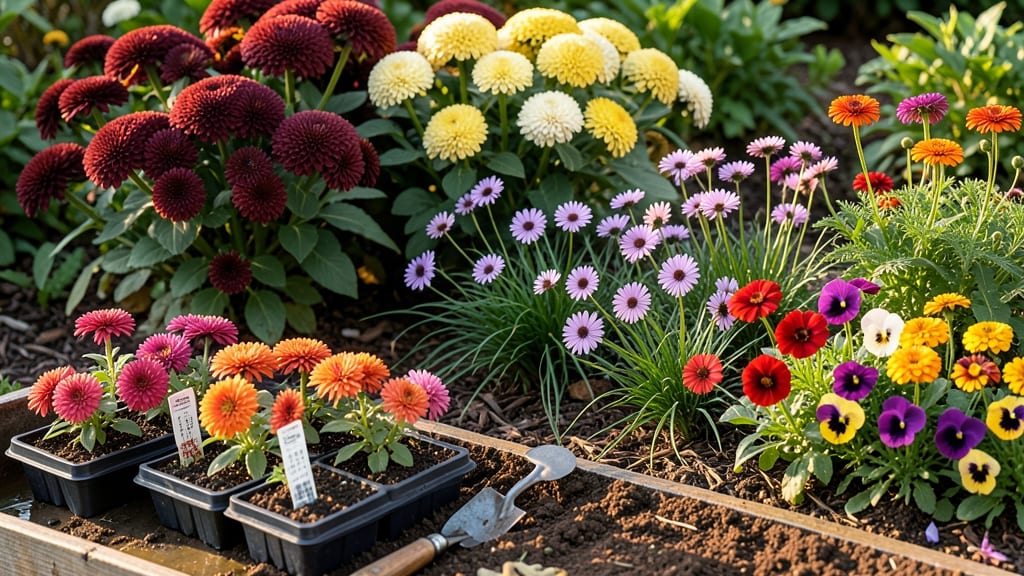
Planting fall flowers in Georgia starts 6 to 8 weeks before your first frost — typically mid-August to mid-October — to ensure vibrant blooms before winter arrives.
Georgia’s warm autumns make it tricky: plant too early, and frost ruins your blooms; too late, and your garden misses peak color. This guide cuts through the guesswork with zone-specific frost dates, expert planting windows, and the best flowers for your 7b-8b climate.
You’ll learn how to adjust for microclimates, when to start seeds vs. transplants, and which varieties thrive in Georgia’s soil. No more wasted effort — just foolproof timing for a garden bursting with 🌼 color all season.
Ready to transform your yard? Here’s your step-by-step timeline, from soil prep to frost-proofing, so you can enjoy blooms until November.
Georgia’s fall planting timeline by USDA Zone & frost dates
Georgia’s fall planting season stretches from mid-August to mid-October, offering gardeners a longer window than many northern states. The key to success? Knowing your USDA zone and first frost dates.
In Georgia’s 7b-8b zones, frost typically arrives between mid-November and early December, but timing varies by region. Plant too early, and you risk heat stress or pests; too late, and your flowers won’t bloom before winter.
Here’s your zone-by-zone planting schedule, complete with frost-resistant varieties and actionable deadlines.
Most fall-blooming flowers need 6-8 weeks to establish roots and produce color before frost. For example, chrysanthemums planted in late August in Zone 8a will bloom by October, while pansies in Zone 7b can handle a light frost if planted by mid-September.
Below, we’ve broken down the ideal planting windows for each zone, along with frost-tolerant varieties that thrive in Georgia’s climate.
Pro Tip: Use a frost-date calculator (like the National Weather Service’s) to adjust for your exact location. Urban areas like Atlanta (Zone 7b) often frost 1-2 weeks earlier than rural Savannah (Zone 8a). Always plant 6 weeks before your average first frost for peak blooms.
| USDA Zone | Avg. First Frost | Ideal Planting Window | Frost-Tolerant Varieties | Actionable Deadline |
|---|---|---|---|---|
| 4a (North GA Mountains) | October 15 | Late July–Early September | Chrysanthemums, Pansies, Snapdragons | Plant by August 15 for blooms |
| 5a (North GA Foothills) | October 25 | Late July–Mid-September | Asters, Calendula, Sweet Alyssum | Plant by August 30 for blooms |
| 6a (Central GA) | November 5 | Early August–Late September | Zinnias, Cosmos, Marigolds | Plant by September 15 for blooms |
| 7a (Atlanta Area) | November 10 | Mid-August–Mid-October | Pansies, Violas, Dusty Miller | Plant by September 30 for blooms |
| 7b (Middle GA) | November 15 | Late August–Late October | Chrysanthemums, Salvia, Ornamental Kale | Plant by October 10 for blooms |
| 8a (South GA) | November 25 | September–Early November | Pansies, Petunias, Dusty Miller | Plant by October 15 for blooms |
| 8b (Coastal GA) | December 5 | September–Mid-November | Sweet Potato Vine, Celosia, Verbena | Plant by October 30 for blooms |
For Zone 7b and below, focus on hardy annuals like pansies and snapdragons, which can survive light frosts (28–30°F). In Zones 8a–8b, you can push the envelope with tender perennials like salvia or dusty miller, but always use mulch to insulate roots.
My Georgia Pro Tip: Plant chrysanthemums in late August for October-November blooms—they’re the showstoppers of fall color!
If you’re in Zone 4a–6a, prioritize fast-growing varieties like zinnias or cosmos, which mature in 60–70 days. For Zone 7b–8b
How to adjust planting dates for Georgia’s microclimates & soil conditions
Georgia’s diverse microclimates and soil types can shift your ideal planting window by weeks. In the mountains, cooler temps mean earlier fall planting, while urban heat islands in Atlanta can delay frost by 2-3 weeks.
Even your soil drainage plays a role—clay-heavy soils in middle Georgia stay wet longer, risking root rot if planted too early.
Don’t assume the USDA zone averages apply to your yard. A north-facing slope stays cooler, while a south-facing border bakes faster. These microclimate tweaks can mean the difference between vibrant blooms and frost-damaged plants.
⚠️ callout warning
Clay compaction in middle Georgia delays planting by 1-2 weeks. Test your soil—if it stays muddy for 48+ hours after rain, amend with compost or sand before planting. Urban areas often have higher pH (7.0+), which stunts blooms—add sulfur if needed.
Extend your fall bloom season with row covers and mulch. A lightweight frost blanket can push back frost by 2-4 weeks, while straw mulch (3-4 inches) insulates roots. For heat-sensitive varieties like pansies, use shade cloth (30%) during late September afternoons to prevent wilting.
Adjust for elevation changes. In Zone 7b (north Georgia), plant chrysanthemums by early August. But in Zone 8b (south Georgia), you can wait until mid-September. Use this rule: Add 1 week of planting time per 1,000 feet elevation gain.
For container gardens, shift your timeline 2 weeks earlier. Pots dry out faster and cool quicker at night, mimicking mountain conditions. Water containers daily in September and use self-watering pots to prevent stress.
Pro tip: Plant fast-growing annuals (like calendula or zinnias) in early August for instant color, then fill gaps in September with perennials (e.g., asters or salvia). This two-phase approach maximizes your bloom time.