
Flowers
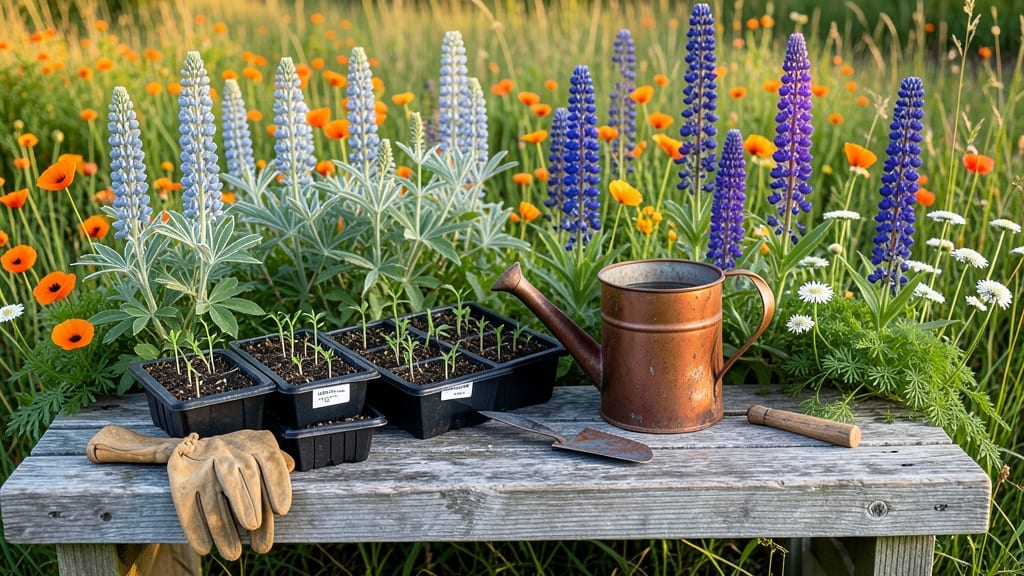
Planting flowers in Idaho at the right time ensures vibrant blooms from spring through fall 🌸 — timing depends on your microclimate, from Boise’s dry heat to mountain valleys with cooler nights.
Here’s the catch: Idaho’s frost dates can shift by weeks between lowland valleys and high deserts, and planting too early or late risks stunted growth or frost damage. Whether you’re in Zone 4 or 7, knowing the exact window for your area is the key to a garden that thrives.
In this guide, you’ll discover the ideal planting months for annuals, perennials, and bulbs, plus how to adjust for Idaho’s unique seasonal shifts. We’ll also cover soil prep tips to give your flowers the best start, so you can enjoy longer blooms without the guesswork.
From early April for hardy perennials to September for fall-blooming varieties, we’ll break down the timing you need to turn your Idaho garden into a year-round showstopper.
Idaho’s flower planting zones: exact timing by microclimate (2024 guide)
Idaho’s USDA Zones 3-7 create a patchwork of planting opportunities, but microclimates—like the high desert heat of Boise or the cooler mountain valleys of Coeur d’Alene—can shift ideal timing by 3-4 weeks. Understanding your last frost date and soil temperature is key to avoiding frost damage or stunted growth.
For example, Lewiston’s Zone 7 allows earlier planting than Sandpoint’s Zone 4, where late frosts linger into May.
Most Idaho gardeners focus on spring planting (April-May) for annuals and perennials, but fall planting (September) works for bulbs and hardy perennials like chrysanthemums and aster. The secret? Monitor soil temperatures—ideal for seeds is 60°F+, while transplants thrive at 55°F+.
In Zone 5 Boise, this often means waiting until mid-May, while Zone 7 Lewiston can start as early as late March.
Comparison Table: Idaho Flower Planting by Microclimate
| Region | USDA Zone | Avg Last Frost | Ideal Planting Window | Soil Temp for Seeds | Fall Planting (Bulbs) |
|---|---|---|---|---|---|
| Boise | 5 | May 1-15 | April 15 - May 10 | 60°F+ | September 1-15 |
| Coeur d’Alene | 6 | April 25 - May 5 | April 1 - April 30 | 55°F+ | September 10-25 |
| Lewiston | 7 | April 10-20 | March 15 - April 15 | 50°F+ | October 1-10 |
| Sandpoint | 4 | May 15-30 | May 1 - June 1 | 65°F+ | August 20 - Sept 10 |
| Moscow | 5 | May 1-10 | April 20 - May 5 | 60°F+ | September 1-15 |
For annuals like marigolds or petunias, start seeds indoors 6-8 weeks before your last frost date.
In Zone 4 Sandpoint, that means early March sowing, while Zone 7 Lewiston gardeners can direct-sow in late March. Perennials like coneflowers or black-eyed Susans can handle transplanting until early June, giving you flexibility if spring is slow to warm.
Don’t overlook bulb planting—Idaho’s cool fall nights are perfect for tulips, daffodils, and alliums. Plant 6-8 weeks before ground freezes, typically September-October. In Boise (Zone 5), aim for mid-September, while Coeur d’Alene (Zone 6) can wait until late September.
Use a soil thermometer to confirm 50°F soil temps before planting.
If you’re in a high-desert area like Twin Falls, watch for sudden temperature swings. Mulch with straw or wood chips to stabilize soil temps and retain moisture.
For container gardening, move pots to protected spots at night if frost threatens. Heat-loving flowers like lantana or salvia can be planted as late as June in Zone 7, but cool-season flowers like pansies need to go in by August for fall blooms.
Pro tip: Use row covers
Best flowers to plant by month in Idaho: a month-by-month survival guide
Idaho’s growing season feels like a race against time—cool springs and early frosts demand precision. Planting flowers at the right moment ensures they establish roots before extreme heat or cold strikes. Whether you’re in Boise’s urban oasis or Lewiston’s river valley, timing is everything for vibrant blooms.
I’ve broken down the best flowers to plant each month, from cool-season hardies in March to heat-loving annuals in July. Pro tip: Use mulch to regulate soil temps and extend planting windows by 2-3 weeks in most regions.
For extended blooms, I recommend succession planting every 2 weeks in June and July. For example, sow zinnia seeds in early June, then again in late June—this ensures flowers all summer long. In Zone 5-6 areas, protect tender plants with row covers if frost threatens.
Remember: Idaho’s high desert areas (like Twin Falls) can be 10°F warmer than mountain valleys (like Sandpoint). Adjust planting dates by 1-2 weeks if your microclimate runs hotter or cooler. Always check your local last frost date—it’s your garden’s GPS for success!
🌷