
Flowers
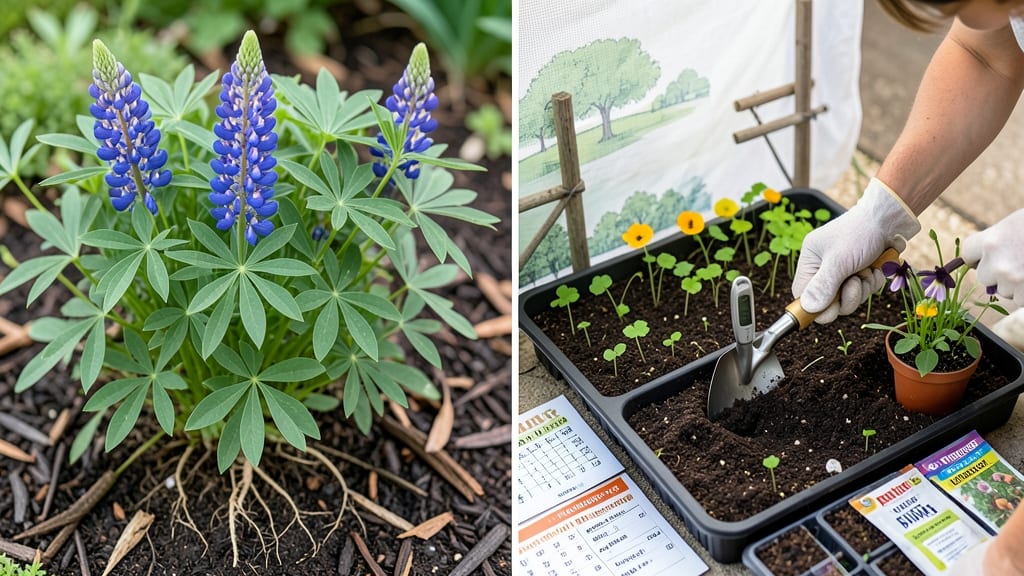
To plant flowers in Boise, Idaho, time your efforts between early March and late May for spring blooms, or September to October for fall varieties—missing these windows risks stunted growth or frost damage.
Boise’s unique Zone 7A climate means timing your flower planting can mean the difference between vibrant blooms and wilted disappointment—get it wrong, and you’ll miss peak growing seasons entirely.
With an average last frost date of April 15, cool-season flowers like pansies can go in as early as March, while warm-season favorites like marigolds need to wait until after May 15 to thrive.
Below, I’ll break down the exact frost dates, soil prep tips, and the best drought-resistant flowers for Boise’s dry summers—so you can enjoy a garden that blooms reliably year after year.
Boise Idaho frost dates and ideal planting months by flower type
Boise’s Zone 7A climate creates a 165-day frost-free window from mid-May to mid-October—critical for timing your flower gardens. The average last frost date is May 15, while the first frost typically arrives October 15, though rural areas may experience earlier frosts.
Urban Boise gardens often enjoy 5-7°F warmer microclimates due to concrete and buildings, extending your growing season slightly.
Understanding these dates helps you avoid late spring frosts that can kill tender seedlings or early fall frosts that cut summer blooms short. For example, pansies thrive when planted in early September, while geraniums need to be in the ground by May 1 to avoid frost damage.
Let’s break down the ideal planting windows for Boise’s most popular flowers.
| Flower Type | Best Planting Months | Frost Sensitivity | Boise Microclimate Note |
|---|---|---|---|
| Cool-Season Annuals (Pansies, Snapdragons, Calendula) | February-March, September-October | Tolerates light frost | Urban areas: plant 2 weeks later than rural |
| Warm-Season Annuals (Geraniums, Petunias, Marigolds) | May 15-June 15 | Frost-sensitive | Rural areas: wait until May 22 for safety |
| Perennials (Coneflowers, Lavender, Black-Eyed Susans) | March-April, September | Cold-hardy | Spring planting: soil temp ≥50°F for best root growth |
| Spring-Blooming Bulbs (Tulips, Daffodils, Hyacinths) | September-October (fall) | Needs winter chill | Plant 6-8 weeks before first frost for best blooms |
| Summer-Blooming Bulbs (Dahlias, Gladiolus, Calla Lilies) | May 15-June 1 | Frost-sensitive tubers | Urban heat islands: mulch heavily to retain moisture |
| Native Drought-Tolerant Flowers (Yarrow, Blanket Flower, Penstemon) | March-April | Extremely hardy | Ideal for xeric landscapes in Boise’s dry summers |
For cool-season annuals like pansies and snapdragons, you can start planting as early as February in Boise’s milder microclimates. These flowers actually thrive in cooler temperatures and can even survive light frosts, making them perfect for early spring or late fall color.
In rural areas, however, wait until March 15 to avoid unexpected frosts that could damage young seedlings.
Warm-season flowers such as geraniums, petunias, and marigolds demand patience—plant them only after May 15, when the risk of frost has passed. Urban gardeners can sometimes push this to May 1, but rural areas should wait until May 22 for added protection.
Use row covers if you’re eager to plant earlier, but remove them once nighttime temperatures stay above 50°F consistently.
Perennials like coneflowers and lavender offer flexibility—they can be planted in early spring (March-April) or early fall (September). Spring planting works best when soil temperatures reach at least 50°F, which typically happens by mid-April in Boise. Fall planting allows perennials to establish roots before winter, giving them a head start in spring.
If you love spring-blooming bulbs, focus on planting them in September or early October. These bulbs need a period of cold to bloom properly, so timing is everything. For summer-blooming bulbs like dahlias, wait until mid-May when the soil has warmed up.
In urban areas with heat island effects, mulch heavily to retain moisture and protect tubers from drying out.
Boise’s native drought-tolerant flowers are a gardener’s secret weapon—they thrive with minimal water once established. Plant these in March or April to take advantage of Boise’s spring rainfall. They’re perfect for xeric landscapes that require little maintenance and conserve water, which is especially valuable in Boise’s dry summers.
Always adjust your planting schedule based on your specific location. Urban Boise gardens near buildings or pavement can be 5-7°F warmer than rural areas, while valleys may experience earlier frosts.
Use a soil thermometer to monitor temperatures and extend your growing season with season extenders like cold frames or cloches if needed.
Pro tip: Mark your last frost date
Best flowers to plant in Boise’s spring and fall seasons
Boise’s Zone 7A climate creates a perfect window for spring bulbs and fall perennials, but the wrong timing can leave your garden struggling. For example, planting tulips too late means they’ll bloom after the heat sets in, while dahlias planted too early risk frost damage.
Let’s focus on the top-performing flowers that thrive in Boise’s dry summers and cool nights.
Spring is all about bulbs and cool-season annuals, while fall offers a second chance for perennials and drought-resistant blooms. I’ve handpicked varieties that handle Boise’s low humidity and hot afternoons—no wilting in sight!
Whether you’re a beginner or a seasoned gardener, these picks will give you bold colors and low-maintenance beauty.
- March-April: Plant tulips, daffodils, and pansies—they love Boise’s cool soil and early sunlight. Aim for 6 weeks before last frost (mid-April) for best results.
- May-June: Wait until after May 15 to plant marigolds, zinnias, and lavender. These heat-loving annuals need warm soil to thrive.
- September: Perennials like coneflowers and black-eyed Susans should go in by early September. They’ll establish roots before first frost (mid-October).
- October: Plant fall bulbs like crocuses and snowdrops for early spring blooms. Boise’s cool nights help them naturalize beautifully.
For spring bulbs, focus on tulips and daffodils—they’re frost-hardy and bloom reliably in Boise’s Zone 7A. Plant them 6 inches deep in well-draining soil with full sun exposure. These bulbs store energy underground during Boise’s dry summers and reward you with vibrant blooms in spring.
In summer, drought-resistant annuals like lavender and Russian sage are game-changers. They handle Boise’s low rainfall and hot afternoons with ease. Plant them in well-draining soil and give them 6+ hours of sun. A mulch layer helps retain moisture, reducing your watering chores by 50%.
Fall is perfect for perennials like coneflowers and sedum. These low-maintenance plants thrive in Boise’s cool nights and dry soil. Plant them in September for established roots before first frost. They’ll return year after year with minimal care, making them ideal for busy gardeners.
Pro tip: Always water deeply after planting to encourage root growth. In Boise’s dry climate, morning watering prevents fungal issues and keeps your flowers lush and healthy all season long.