
Flowers
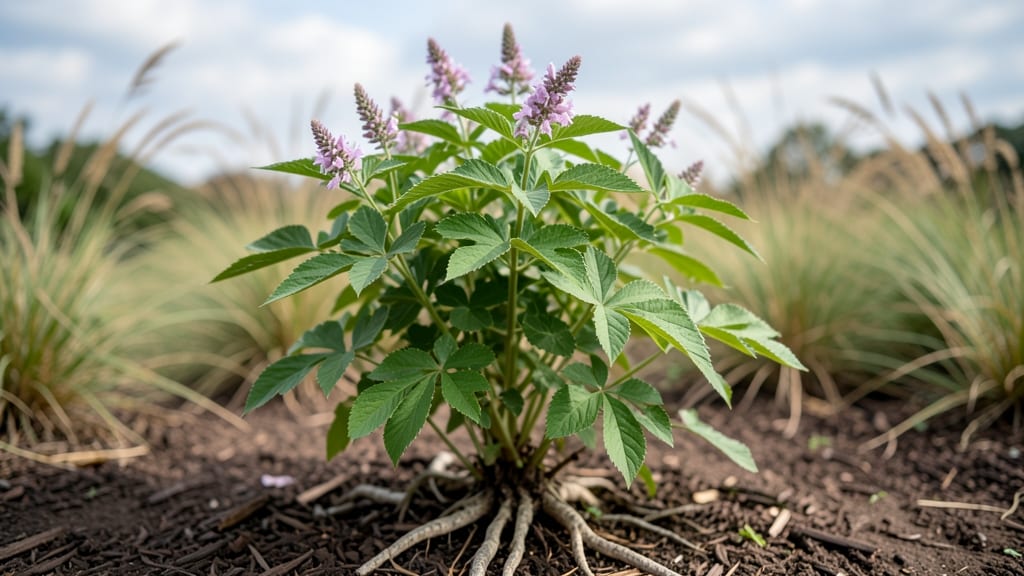
Planting flowers in Illinois at the right time means the difference between a showstopping garden and a sad, frost-nipped disappointment.
If you’ve ever watched your 🌸 bright petunias turn to mush overnight after a surprise April freeze, you know timing is everything. Too early, and a late frost wipes out your hard work; too late, and you miss peak bloom season.
The key? Knowing your zone’s last frost date—and when to adjust for microclimates like urban heat islands or sheltered valleys.
In Zone 5-6, most gardeners plant annuals after mid-April, but perennials get a head start in early spring or late summer.
Below, I break down the exact frost-free deadlines for Illinois, plus the best flowers to plant each season—so you can enjoy blooms from spring through fall without the guesswork.
You’ll learn how to read your local frost forecast, which flowers thrive in Illinois’ unpredictable springs, and simple tricks to extend your bloom season. Let’s get those 🌸 planted right!
Illinois frost-free deadlines by month: when to plant flowers in zones 5-6
Understanding Illinois’ frost-free deadlines is key to successful flower gardening. Northern Illinois (Zone 5) typically sees its last frost around April 15-22, while Southern Illinois (Zone 6) averages April 1-14.
These dates separate cool-season flowers that tolerate light frosts from warm-season varieties that need consistent warmth to thrive. Planning ahead ensures your garden blooms vibrantly without frost damage.
Your planting strategy should differ between annuals, perennials, and bulbs. Annuals like marigolds and petunias need to wait until after the last frost, while hardy perennials such as coneflowers can be planted in early spring or fall.
Bulbs like tulips and daffodils should be planted in fall for spring blooms, but summer-blooming bulbs like dahlias need warmer soil.
Here’s a quick reference for Illinois’ month-by-month planting windows based on regional frost dates and flower types:
For Northern Illinois, always wait until after the average last frost date (around April 22) to plant warm-season flowers like petunias or geraniums. Use row covers or cold frames to extend the season for early plantings.
In Southern Illinois, you can push the timeline slightly earlier, but monitor local forecasts—unpredictable late frosts can still occur.
Cool-season flowers like pansies and violets thrive in March-April plantings and can handle light frosts. These varieties are perfect for early spring color and even overwinter in mild years.
Meanwhile, warm-season favorites such as sunflowers and zinnias need soil temperatures above 55°F to germinate, making May the ideal month for direct sowing.
Don’t overlook fall planting for perennials and bulbs. September is ideal for planting spring-blooming bulbs like tulips and daffodils, as the cool soil encourages strong root growth before winter. For annuals, late summer plantings of mums and asters ensure vibrant fall color and can often survive light frosts.
Use microclimates to your advantage. South-facing slopes warm up faster in spring, while shaded areas stay cooler longer. Adjust your planting timeline by 1-2 weeks based on your garden’s specific conditions. For example, a south-facing bed might be ready for warm-season flowers a week earlier than a north-facing one.
Always check local frost forecasts from resources
Best flowers to plant in Illinois by season: what thrives in Zone 5-6
Illinois’ Zone 5-6 climate offers a surprisingly long growing season for flowers—if you know which varieties to plant and when. The key is matching cool-season bloomers with early spring and fall, while reserving heat-loving annuals for summer’s peak warmth.
My top picks include native perennials that naturalize effortlessly and drought-resistant annuals that thrive in Illinois’ occasional dry spells.
Spring is all about bulbs and early perennials, while summer demands sun-hungry annuals like marigolds and zinnias. Fall brings back cool-season favorites, and even winter has evergreen options for year-round interest. Let’s dive into the best flowers for each season, plus my pro tips for Illinois-specific success.
- 🌱 Spring (March-May): Plant daffodils, bleeding heart, and columbine as soon as soil is workable (early March). Wait until mid-April for tender annuals like petunias after last frost.
- ☀️ Summer (June-August): Sow marigolds, zinnias, and sunflowers after May 15 when soil temps hit 60°F. Deadhead coneflowers for continuous blooms.
- 🍂 Fall (September-October): Plant chrysanthemums, aster, and pansies in early September for fall color. Divide perennials like black-eyed Susans after blooming.
- ❄️ Winter (November-February): Plant snowdrops and winter aconite in fall for early spring blooms. Mulch hardy perennials like sedum to protect roots.
For spring planting, focus on bulbs like tulips and daffodils—they naturalize beautifully in Illinois and return year after year. My go-to perennials include peony (which thrives in Zone 5’s winters) and bee balm, a pollinator magnet.
In containers, pansies and violas handle light frosts and bloom until summer.
Summer’s heat calls for drought-tolerant annuals like lantana and salvia, which need minimal water once established. Pair them with native perennials such as purple coneflower (which attracts butterflies) and butterfly weed. Pro tip: Group plants with similar water needs to simplify care.
Fall is your second chance for cool-season blooms. Chrysanthemums and Japanese anemones thrive in September plantings, while pansies planted now will bloom until winter’s first hard freeze. Don’t overlook winter interest plants like ornamental kale or heuchera for year-round color.
Even in winter, you can add structure and color with evergreen shrubs like boxwood or holly. For spring prep, mark your calendar for March 1—that’s when I start hardening off tender perennials like canna lilies in my greenhouse.
With this seasonal lineup, your Illinois garden will stay vibrant from March through November!