
Flowers
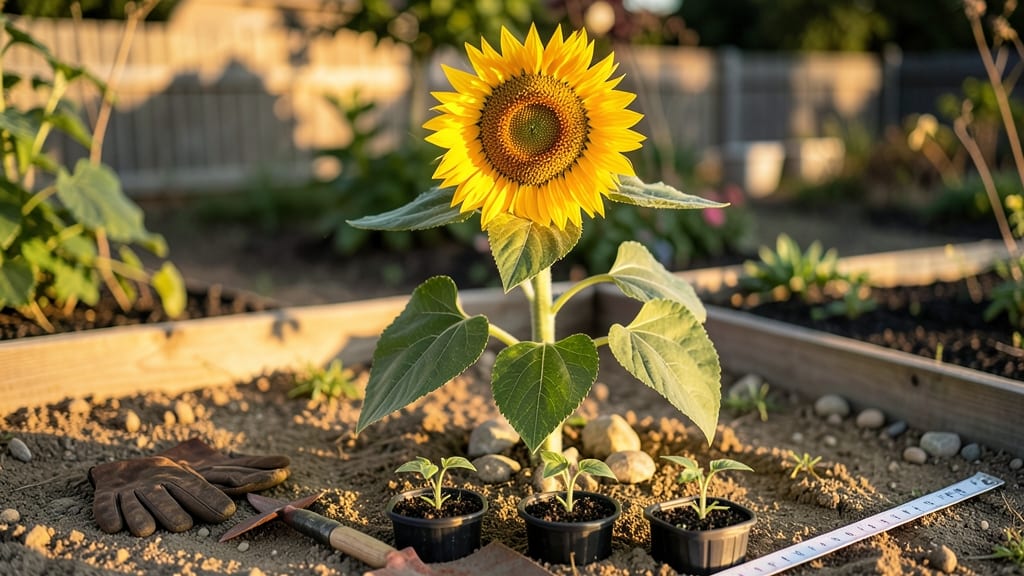
Planting sunflowers for doves in Texas means timing it right to align with their feeding needs and your region’s climate—think late winter to early spring for the best results.
If you’ve ever watched doves flutter away empty-handed from your garden, it’s not just about the seeds—it’s about when those seeds are ready. Plant too early, and frost can nip the blooms before they mature. Too late, and the heat arrives before the doves return in full force.
Texas spans three distinct zones, each with its own frost dates and dove migration patterns. North Texas gardeners should aim for late March, while Central Texas can start as early as February. Down south, the window opens even earlier, but heat tolerance becomes the next hurdle.
Below, I’ll break down the ideal planting months by region, sunflower varieties that doves adore, and pro tips to keep your 🌻 patches thriving all season long—so your feathered visitors have a reliable buffet from May through October.
Best sunflower planting months in Texas by region
Timing your sunflower planting in Texas isn’t just about avoiding frost—it’s about syncing with dove migration patterns. Doves migrate through Texas in fall and winter, so planting for late-season seed production ensures a reliable food source when they need it most.
In North Texas, where frosts linger until mid-March, early spring plantings are critical. Meanwhile, South Texas gardeners can start as early as February thanks to milder winters.
Sunflowers thrive in Texas’s USDA Zones 8a-10b, but regional differences in frost dates create distinct planting windows. For example, Central Texas enjoys a longer growing season, allowing for both early and late plantings.
The key is aligning your harvest with peak dove feeding seasons—typically September through January—when migratory birds rely on sunflower seeds most.
Here’s how to match your planting schedule to Texas’s three distinct regions for maximum dove attraction:
| Region | Ideal Planting Months | Last Frost Date | Peak Dove Season | Sunflower Variety Tip |
|---|---|---|---|---|
| North Texas (Zones 8a-8b) | March–April | Feb 15–Mar 15 | Sep–Jan | Choose early-maturing varieties like 'ProCut' (60 days). |
| Central Texas (Zones 8b-9a) | February–March | Jan 15–Feb 15 | Oct–Dec | Opt for medium-height types like 'Teddy Bear' (80 days). |
| South Texas (Zones 9a-10b) | January–February | Dec 15–Jan 15 | Nov–Jan | Plant heat-tolerant varieties like 'Autumn Beauty' (90 days). |
🌻 Dove-Friendly Tip: Succession plant every 2–3 weeks to ensure continuous seed production.
In North Texas, aim for March–April plantings to ensure seeds mature by September, when doves begin their southward migration. The last frost date here is typically mid-March, so wait until after that to sow seeds.
Varieties like 'ProCut' mature in just 60 days, making them ideal for early harvests.
For Central Texas, where winters are milder, you can plant as early as February.
This region’s longer growing season allows for two planting windows: one in February for fall harvests and another in April for winter seed production. 'Teddy Bear' sunflowers, with their large seed heads, are a dove favorite and thrive in this climate.
South Texas gardeners enjoy the earliest planting window, starting as soon as January. With rare frosts and year-round growing potential, you can even plant late summer for fall harvests. Heat-tolerant varieties like 'Autumn Beauty' perform exceptionally well here, producing seeds well into winter when doves are most active.
Regardless of your region, always plant sunflower seeds 1 inch deep and 6 inches apart, thinning to 12–24 inches as they grow.
This spacing ensures good air circulation, reducing disease risk and making seeds more accessible to doves. Succession planting—sowing new seeds every 2–3 weeks—guarantees a steady supply of seeds throughout the dove season.
One common mistake is planting too late, which can delay seed production until after doves have migrated. To avoid this, use a planting calendar and adjust based on your region’s average last frost date.
For example, if you’re in North Texas and plant in late April, your seeds may not mature until October, missing the peak dove season.
For added dove attraction, plant sunflowers near water sources or sheltered areas like shrubs or fences. Doves prefer open spaces where they can spot predators easily while feeding. Pairing sunflowers with native Texas grasses or wildflowers also creates a more natural habitat, encouraging doves to stay longer in your garden.
Finally, monitor your sunflowers for pest pressure, especially in South Texas, where aphids and beetles are common. A light spray of neem oil or introducing ladybugs can help protect your plants without harming doves.
Healthy sunflowers with abundant seeds will keep doves visiting your garden all season long. 🌿
How to choose sunflower varieties for maximum dove attraction
Not all sunflowers are equal when it comes to attracting doves. These birds prefer large, easily accessible seeds from varieties that thrive in Texas’s heat and drought. The Mammoth and Teddy Bear varieties top the list, but each has unique traits that suit different regions and climates.
For North Texas gardeners, drought-tolerant varieties like ProCut are ideal—they produce abundant seeds even in dry spells. Meanwhile, Central and South Texas gardeners can lean toward heat-resistant types like Autumn Beauty or Russian Giant, which handle the intense summer sun better.
Doves also favor sunflowers with open, accessible seed heads. Varieties like Teddy Bear have compact, easy-to-reach blooms, while Mammoth types offer larger seed yields. Below, I’ve compared the top choices to help you pick the perfect variety for your Texas garden.
Sunflower Varieties for Dove Attraction
Mammoth
- ✅ Large seeds (doves love them)
- ✅ Tall stature (8-14 ft)
- ✅ High yield (ideal for feeding flocks)
- ❌ Needs space (requires 2 ft spacing)
- ❌ Less drought-resistant than ProCut
Teddy Bear
- ✅ Compact size (3-5 ft)
- ✅ Easy access (seeds near ground level)
- ✅ Drought-tolerant (great for Central Texas)
- ❌ Smaller seeds (fewer per head)
- ❌ Shorter lifespan (less seed production)
ProCut
- ✅ Drought-proof (perfect for North Texas)
- ✅ Long vase life (cut flowers last longer)
- ✅ Resistant to lodging (stays upright)
- ❌ Seeds less accessible (taller stems)
- ❌ Smaller blooms (fewer seeds per head)
If you live in North Texas, prioritize ProCut or Mammoth for their drought resistance and seed abundance. For Central Texas, Teddy Bear or Autumn Beauty will thrive in the heat while keeping seeds within easy reach.
In South Texas, Russian Giant handles the humidity and heat exceptionally well.
Pro tip: Plant a mix of varieties to extend the feeding season. Start with early bloomers like Teddy Bear in February, then follow with Mammoth types in March for a continuous supply of seeds from May through October.
For maximum dove appeal, avoid double-flowered varieties—they produce fewer seeds. Stick to single-headed types with open centers, and your feathered friends will thank you with daily visits.