
Plants
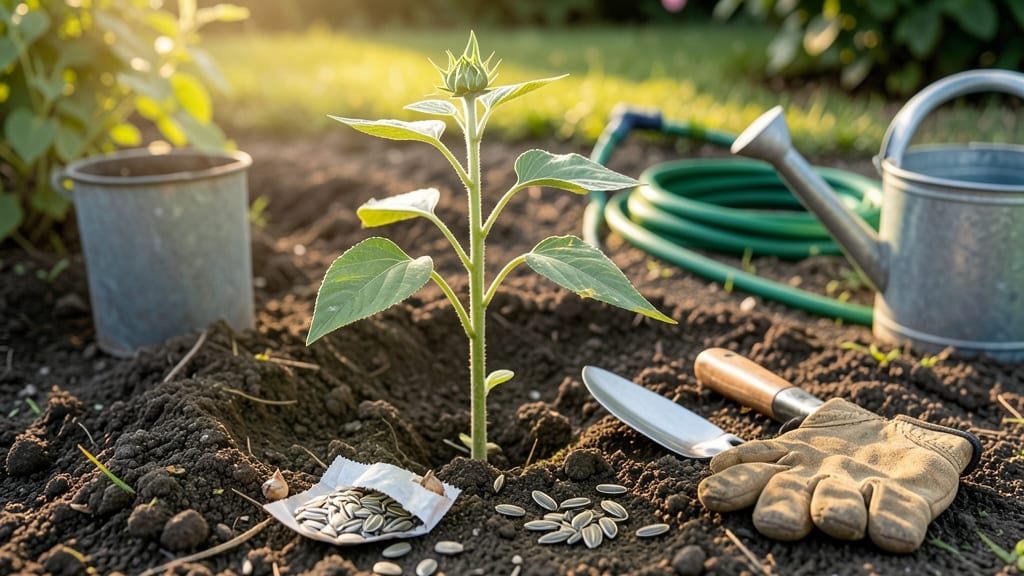
Planting sunflower seeds in New Zealand between September and March ensures they reach their towering, vibrant potential 🌻—but the exact timing depends on your region’s frost risks and summer heat.
Picture this: you’ve waited all winter for those golden blooms, only to watch them wilt under an unexpected frost or struggle in the heat before they even mature. That’s why knowing the best months for your specific zone—whether it’s Auckland’s milder climate or Canterbury’s colder nights—is the key to success.
Sunflowers thrive in NZ’s 9-11 zones, but cooler areas like Auckland (zone 9) need to wait until after the last frost in late August, while subtropical Northland (zone 11) can start as early as September.
The right timing also means avoiding stunted growth from early-season chills or bolting in summer’s heat.
In this guide, I’ll break down the ideal planting window for every NZ region, share frost-proofing tips, and help you pick varieties that grow tall and strong—no matter where you live.
NZ sunflower planting calendar: best months by region for tall blooms
New Zealand’s diverse climate means your sunflower planting schedule should match your region’s frost risk and soil warmth. In Northland and Bay of Plenty, subtropical warmth lets you start as early as August, while Dunedin and Canterbury gardeners must wait until mid-October to avoid frost damage.
The key? Plant when soil temperatures hit 10°C+ and nights stay above 5°C.
Sunflowers thrive in full sun and well-drained soil, but their germination speed depends on warmth. In Auckland, seeds sprout in 7-10 days when planted in September-October, while Wellington gardeners see slower starts if planting after mid-November.
Always test soil moisture—sunflowers hate soggy roots but need consistent water until established.
Soil temperature is your best guide: Aim for 12-15°C at 10cm depth for fastest growth. Use a soil thermometer or wait until native clover or grass begins active growth in spring. In subtropical regions, you can even plant year-round with light winter protection, but tall varieties like 'Russian Giant' need longer growing seasons.
| Region | Best Planting Months | Soil Temp for Germination | Frost Risk | Expected Height |
|---|---|---|---|---|
| Northland | August–March | 12–15°C | Low (rare frost) | 6–12 ft |
| Bay of Plenty | August–February | 10–14°C | Very low | 5–10 ft |
| Auckland | September–January | 11–13°C | Moderate (light frost) | 4–9 ft |
| Wellington | October–December | 10–12°C | High (late frost) | 3–7 ft |
| Canterbury | October–November | 9–11°C | Very high (late frost) | 3–6 ft |
| Dunedin | November–December | 8–10°C | Extreme (late frost) | 2–5 ft |
| Subtropical (all regions) | Year-round (with protection) | 10–15°C | None | Varies by variety |
In Northland and Bay of Plenty, I start seeds indoors in July for a head start, then transplant outdoors by August. The subtropical climate here means no frost risk, so you can grow giant varieties like 'Russian Giant' (up to 12 feet) with ease.
Just ensure your soil is light and sandy—sunflowers despise waterlogged conditions.
For Wellington and Auckland, wait until mid-September to plant directly outdoors. Use black plastic mulch to warm the soil faster and protect young seedlings from cool nights.
If you plant too early, frost damage can kill seedlings before they sprout. A simple cloche or row cover gives extra protection in April-May if you’re extending the season.
In Canterbury and Dunedin, frost is the enemy. Always plant after your last frost date (typically mid-November) and choose dwarf varieties like 'Teddy Bear' if you want reliable blooms.
These regions benefit from raised beds, which warm up faster than cold ground. Add compost to improve drainage—sunflowers prefer lean soil and won’t tolerate heavy clay.
Pro tip: Direct-sow seeds 1–2 inches deep and 12 inches apart for tall varieties. Thinning seedlings avoids competition and ensures stronger stems. In
How to adjust sunflower planting for late or early seasons in NZ
New Zealand’s cool maritime climate and variable frost dates can make sunflower planting tricky. In regions like Canterbury, early spring frosts often delay planting until mid-September, while subtropical Northland allows earlier sowing. The key is adapting your approach to your local frost-free period and sunflower variety.
For cooler regions, focus on fast-maturing varieties like ‘ProCut’ (50-60 days) or ‘Teddy Bear’ (60-70 days). These can be sown as late as December and still produce blooms before autumn frosts.
In warmer areas, you can extend planting into early April for late-season blooms, though expect smaller plants from later sowings.
- 🌱 Northland/Bay of Plenty: August-September (earlier for subtropical varieties)
- 🌿 Auckland/Wellington: Mid-September (after last frost risk)
- ☀️ Canterbury: Late September-October (wait for soil temps above 10°C)
- ❄️ Dunedin/Southland: October-November (use frost cloth for early starts)
- 🔄 Late Planting: Up to December (choose fast-maturing varieties only)
- ⏰ Soil Temperature: Minimum 10°C for germination
One common mistake is planting too early in frost-prone areas. Young sunflower seedlings can be killed by even light frosts, so always check your local frost dates (e.g., Canterbury’s last frost is typically late August).
For extra protection, use frost blankets or start seeds indoors in small pots 4-6 weeks before your target planting date.
To extend your growing season in cooler climates, try container growing. Pots can be moved to sunny spots or even indoors near south-facing windows during cold snaps. This works especially well for dwarf varieties like ‘Moulin Rouge’ (1.5m tall), which mature faster than giant types.
Always monitor your plants’ water needs during spring and autumn, when moisture levels can fluctuate. Sunflowers need consistent soil moisture but hate soggy roots, so well-draining soil is critical. Mulch around the base to retain moisture and suppress weeds, which can compete for nutrients in short growing seasons.
Remember, even in short NZ summers, sunflowers can still reach impressive heights with the right timing. By choosing the right variety and planting date for your region, you’ll enjoy vibrant blooms and maybe even bird-friendly seeds by late spring. Happy growing! 🌻