
Plants
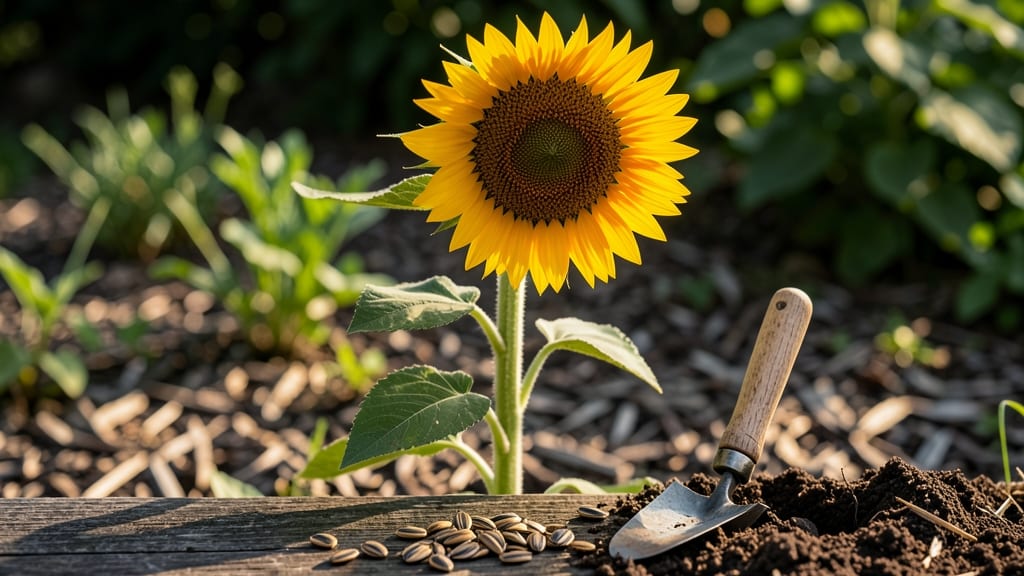
Planting sunflower seeds in Colorado after the last frost—typically mid-April to late June—sets the stage for a towering summer display 🌻.
But timing is everything, and a late frost can turn your sunflowers into a sad, wilted memory before they even sprout. In USDA Zones 4-7, the window is narrow, and elevation changes everything—from Denver’s dry heat to mountain valleys where cold lingers longer.
You’ll learn the exact frost-free deadlines for your zone, how to adjust for high-altitude gardens, and why direct seeding (not starter plants) works best here. Plus, I’ll share the one trick that saves sunflowers from Colorado’s notorious late frosts.
Skip the guesswork and get the precise planting schedule your sunflowers deserve.
Colorado sunflower planting deadlines by USDA Zone (2024 guide)
Colorado’s diverse USDA Zones 4-7 create unique challenges for sunflower growers. Unlike lower-elevation states, our high-altitude gardens face late spring frosts and shorter growing seasons. Planting too early risks frost damage, while waiting too long can delay blooms until fall.
The key? Timing seeds to align with soil temperatures above 55°F and frost-free windows—which vary dramatically from Denver’s Zone 5 to Durango’s Zone 6.
Most Colorado gardeners plant sunflowers directly in the ground after the last frost, but starter plants can give you a 2-3 week head start in Zones 4-5. For optimal results, aim to have mature sunflowers established by mid-June, giving them 90-120 frost-free days to reach full height and bloom.
In Zone 7 (southern Colorado), you’ve got a slightly longer window, but even there, late July plantings may not yield mature flowers before frost.
Soil temperature is your best indicator—sunflower seeds need consistent warmth to germinate. Use a soil thermometer to confirm 55°F+ readings at 1-inch depth before planting. In high-elevation areas (Zones 4-5), this often means waiting until mid-to-late May, while lower elevations (Zones 6-7) can start as early as early April. Remember: Colorado’s unpredictable weather means even late-May plantings can face frost in the mountains.
For direct seeding, Colorado gardeners should wait until after the last frost and when nighttime temperatures stay above 45°F (7°C). In Zones 4-5, this often means late May, while Zones 6-7 can start as early as early April.
If you’re using starter plants, transplant them 2-3 weeks before your zone’s last frost date to give roots time to establish. For example, in Denver (Zone 5), that means mid-April for transplants.
One common mistake is planting sunflowers too early in hopes of a longer growing season. In Colorado’s Zone 4, seeds planted in early May may still face frost, stunting growth.
Instead, use row covers or wait until late May for direct sowing. For Zone 7 gardeners, the opposite risk applies—planting after mid-June may result in flowers that don’t mature before frost.
Sunflowers in Colorado also benefit from elevation adjustments. Gardens above 7,000 feet (common in Zones 4-5) should prioritize dwarf or semi
How to adjust sunflower planting for Colorado’s microclimates
Colorado’s diverse landscapes—from Denver’s urban heat islands to the wind-swept high plains and mountain valleys—create unique challenges for sunflower growers. While USDA Zones 4-7 share similar frost-free windows, your elevation and local microclimate demand tailored adjustments.
For example, a 6,000-foot garden in Fort Collins faces different risks than one at 5,280 feet in Denver, or a sheltered backyard in Boulder compared to exposed mountain slopes.
Sunflowers are resilient, but their germination temperature (45°F minimum) and frost sensitivity mean timing must account for late springs and sudden cold snaps. Even in Zone 7, a late May frost can devastate early plantings.
The key? Adjust your schedule based on your specific microclimate while choosing varieties that match your growing conditions.
- 1 High-Altitude Gardens (6,000+ ft): Wait until May 15-June 1 to plant. Soil warms slower, and late frosts linger. Use black plastic mulch to raise soil temps by 5-10°F.
- 2 Urban Heat Islands (Denver/Boulder): Plant April 20-May 10. Hotter microclimates dry soil faster—water deeply 2x/week until established. Choose drought-tolerant varieties like 'Autumn Beauty.'
- 3 Mountainous Regions (8,000+ ft): Extend the season with row covers or plant late-June for fall blooms. Opt for short-day varieties like 'Teddy Bear' (3-4 ft tall) to avoid wind damage.
- 4 Wind Protection: Plant near fences or treelines to shield from Colorado’s 40+ mph winds. Stake 'Mammoth' varieties (10+ ft) at 3 ft deep for stability.
- 5 Late Bloomers: For September-October blooms, sow 'Russian Giant' seeds in late July. Use cold frames to protect seedlings during early fall frosts.
For high-altitude gardens, I’ve found that black plastic mulch accelerates soil warming by trapping heat—critical when daytime temps hover around 60°F but nights dip below freezing. Test soil temperature with a soil thermometer; aim for 60°F+ before planting.
In urban heat islands, prioritize deep watering schedules to prevent root stress, especially during Denver’s 90°F+ days.
Wind is the silent killer of Colorado sunflowers. 'Mammoth' varieties can topple in 30 mph gusts, so stake them early or plant near windbreaks like corn or sunflower hedgerows. In mountainous areas, short-day varieties like 'Teddy Bear' mature faster and resist wind better than towering types.
For late-season blooms, Russian Giant sunflowers sown in July can still reach 12+ feet by October if given consistent moisture.
Pro tip: Use row covers for early plantings in Zone 4-5 to shield seedlings from late frosts. Remove covers when flowers emerge to prevent overheating. Pair sunflowers with bush beans or marigolds to improve soil structure and deter pests—both thrive in Colorado’s dry, well-drained soils.
Adjusting for microclimates isn’t just about dates—it’s about observing your garden’s behavior. Track local frost dates (check Colorado State University’s Almanac) and note how your yard retains heat or stays cold.
With these tweaks, your sunflowers will reach their full potential, no matter where you garden in the Centennial State. 🌻