
Flowers
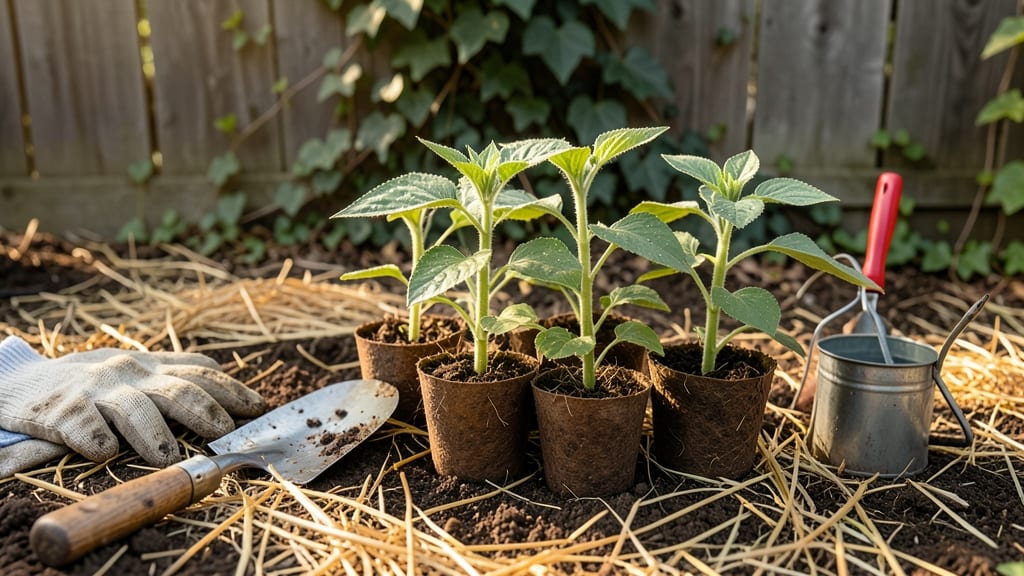
Planting sunflowers in Kentucky between mid-April and early June 🌻 gives them the long, sun-drenched summer they need to reach their full towering height.
You’ve probably seen those 10-foot giants swaying in fields and wondered why your sunflowers stay short and scraggly. The answer lies in timing—plant too early, and a late frost will set them back; too late, and they’ll bolt before blooming.
Kentucky’s USDA Zone 7a climate demands precision, but once you nail the window, you’ll be harvesting seeds and admiring those golden faces by July.
Beyond the calendar, soil temperature and variety matter just as much. Sunflowers need soil that’s at least 50°F to germinate, which usually aligns with late April in most of the state. But if you’re in a cooler microclimate, like the eastern mountains, you might need to wait until early May.
The right variety—whether a dwarf for containers or a giant for cut flowers—can also shift your planting date by weeks.
In this guide, I’ll walk you through the exact dates for your part of Kentucky, how to prep your soil for maximum growth, and the 3 key signs your sunflowers are ready to thrive. No more guessing—just big, bold blooms all season long.
Optimal Kentucky sunflower planting dates by USDA Zone 7a climate conditions
Kentucky’s USDA Zone 7a climate offers a 165-day growing season, perfect for sunflowers that thrive in warmth. The key to success? Planting at the right time to avoid late spring frosts while ensuring enough time for full maturity before the first frost in October.
In most parts of Kentucky—including Louisville, Lexington, and Bowling Green—the average last frost date falls around April 15, but this can vary by 3-5 days each year.
For sunflowers, which need warm soil (50°F+) to germinate, waiting until mid-April minimizes frost risk while giving plants enough time to grow.
Your planting window spans from mid-April to early June, but the best results come from sowing seeds in April or early May. This timing ensures early, mid, and late-season varieties all reach maturity before Kentucky’s first frost (October 15).
Let’s break down the ideal schedule for each sunflower type.
| Variety Type | Optimal Planting Window | Days to Maturity | Harvest Window | Notes |
|---|---|---|---|---|
| Early Season | Mid-April to late April | 50-60 days | June to July | Best for quick blooms; ideal for cut flowers |
| Mid Season | Early May to mid-May | 70-80 days | July to August | Most popular; tall varieties (6-10 ft) |
| Late Season | Late May to early June | 90-120 days | August to October | Giant varieties (10-14 ft); riskier due to frost |
| Dwarf Varieties | Early May to June | 60-75 days | July to September | Ideal for containers; 1-3 ft tall |
For early-season varieties, like 'Teddy Bear' or 'Moulin Rouge', planting in mid-April ensures blooms by June or July. These varieties are perfect for cut flowers or attracting pollinators early in the season.
If you’re growing giant sunflowers, like 'Russian Giant', wait until late May to give them enough time to reach their 10-14 foot height before frost.
Kentucky’s clay-heavy soils can delay soil warming, so use a soil thermometer to confirm temperatures are 50°F or above before planting. If your soil is still cold in April, consider raising beds or using black plastic mulch to warm the soil faster.
This is especially critical for late May plantings, which rely on summer warmth to mature.
In urban areas, like Louisville, microclimates can shift planting windows slightly. South-facing gardens warm up faster, allowing for earlier plantings, while shaded spots may push back your window by 1-2 weeks.
Always monitor local frost forecasts and adjust your schedule accordingly. For Bowling Green, which has slightly warmer springs, you can safely plant 1 week earlier than Lexington or Louisville.
One common mistake is planting sunflowers too early, which can lead to frost damage or stunted growth. If you’re unsure about your last frost date, err on the side of caution and wait until early May.
For late-season varieties, like 'Autumn Beauty', planting in early June can still yield blooms by September or October, but be prepared to protect plants if frost threatens.
To maximize your sunflower’s potential, pair your planting schedule with proper spacing. Plant seeds 1 inch deep and 6 inches apart in rows 18-24 inches apart to allow for airflow and reduce disease risk.
If you’re growing giant varieties, give them 2-3 feet of space to prevent shading and competition. Thin seedlings to the strongest 2-3 plants per foot once they’re 4-6 inches tall.
Remember, sunflowers are drought-tolerant
How to adjust sunflower planting for Kentucky’s microclimates and soil types
Kentucky’s diverse landscapes—from urban Louisville to rural clay-heavy fields—create unique challenges for sunflower growers. The same variety planted in a potted container on a city patio won’t thrive in a heavy clay soil garden bed. Adjusting your approach based on your microclimate and soil type can double your success rate.
For example, urban gardens often face heat reflections from buildings, while mountain regions like Eastern Kentucky may experience later frost dates.
If you’re growing sunflowers in containers or small spaces, opt for dwarf varieties like ‘Teddy Bear’ that reach only 3–4 feet tall. These thrive in 5-gallon pots with proper drainage and still produce vibrant blooms.
For in-ground planting, giant varieties such as ‘Mammoth’ need 12+ inches of soil depth and ample spacing to avoid competition for nutrients. The key is matching your planting method to your growing conditions.
⚠️ WARNING: Kentucky’s Clay Soil Pitfalls
Kentucky’s heavy clay soil (common in Western KY) can suffocate sunflower roots if not amended. Compaction reduces oxygen flow, while poor drainage causes root rot. Test your soil—if it forms a hard lump when dry, it’s too dense. Solution: Mix in 3–4 inches of compost or aged manure before planting.
For urban planters, use a lightweight potting mix with perlite to prevent compaction.
🌱 Pro Tip: Plant sunflowers in raised beds if your yard is entirely clay—this improves drainage and warms soil faster in spring.
For early spring planting (March–April), focus on fast-maturing varieties like ‘Autumn Beauty’ (56 days to bloom). These can handle cooler soil temperatures and still produce full-size blooms before summer heat peaks.
If you’re planting in late summer (August), choose short-season types such as ‘ProCut’ (60 days) to ensure blooms mature before the first frost in mid-October.
Spacing is another critical adjustment. In urban gardens with limited space, plant seeds 6 inches apart in rows 18 inches apart. For field planting, increase spacing to 24 inches apart to prevent crowding, which leads to weak stems and fewer blooms.
Thin seedlings to the strongest 2–3 plants per foot once they’re 4–6 inches tall.
Companion planting can also boost sunflower success. Pair them with bush beans or marigolds to deter pests like sunflower moths. Avoid planting near potatoes, which compete for nutrients.
In urban settings, interplant sunflowers with basil or nasturtiums to attract pollinators and repel aphids. These natural allies create a healthier growing environment without chemicals.
Finally, adjust your watering schedule based on your soil type. Clay soil holds moisture longer, so water deeply every 7–10 days once established. In sandy or urban container gardens, water every 3–5 days to prevent drying out.
Always water at the base of the plant in the morning to reduce fungal risks. With these adjustments, your sunflowers will thrive regardless of Kentucky’s microclimate challenges!