
Planting
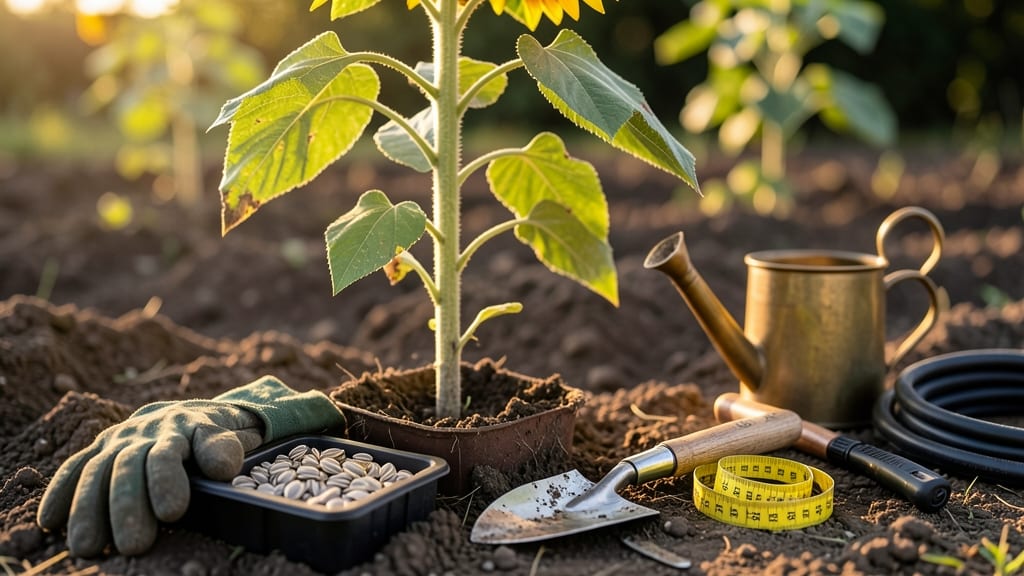
Planting sunflowers in North Carolina after the last frost—typically late April to early May—sets them up for a showstopping summer display 🌻.
Sunflowers bring vibrant color and joy to North Carolina gardens—but planting them at the wrong time can mean wilted dreams before they even bloom. Timing is everything, especially with NC’s diverse climate zones and heat-loving sunflowers.
Whether you're in the cooler 7a zones of the mountains or the warmer 8b coastal plains, the right window makes all the difference. Too early, and a late frost will nip tender sprouts. Too late, and summer’s heat arrives before the flowers mature.
In this guide, I’ll break down the best planting dates for your zone, plus pro tips for extending the season—so you can enjoy sunflowers from July through October.
Best planting dates for sunflowers in NC by USDA hardiness Zone
North Carolina's USDA Zones 7a-8b offer diverse microclimates, meaning your sunflower planting dates should align with your specific zone and last frost dates. Coastal areas like Wilmington (Zone 8a) have longer growing seasons, while mountain regions like Asheville (Zone 7a) face earlier frosts.
Understanding these differences ensures your sunflowers thrive from seed to bloom.
For most of NC, the ideal planting window falls between late April and early June, after the average last frost date. However, early varieties can be sown as soon as soil temperatures reach 55°F (13°C), typically around mid-March in Zone 8b or late March in Zone 7a.
Late varieties can handle summer heat and may be planted up to July 1st for fall blooms.
Direct sowing is recommended over transplanting because sunflowers have delicate taproots that don’t tolerate disturbance. If you start seeds indoors, transplant 4-6 weeks before your zone's last frost date to avoid transplant shock.
For example, Zone 7a gardeners should transplant by April 15th, while Zone 8b can wait until May 1st.
| USDA Zone | Last Frost Date | Direct Sowing Window | Transplant Window | Late Varieties (Summer) |
|---|---|---|---|---|
| 7a (Mountains: Asheville, Boone) | April 15 | April 22 - May 10 | April 1 - April 15 | June 15 - July 1 |
| 7b (Piedmont: Raleigh, Greensboro) | April 1 | April 15 - May 15 | March 25 - April 10 | May 20 - July 15 |
| 8a (Coastal: Wilmington, Fayetteville) | March 1 | March 15 - June 1 | March 1 - March 20 | April 1 - August 1 |
| 8b (Southeast: Charlotte, Goldsboro) | February 15 | March 1 - June 15 | February 20 - March 30 | April 1 - August 15 |
In Zone 7a, where frosts linger longer, focus on early-maturing varieties like 'Teddy Bear' (60 days) or 'Moulin Rouge' (75 days) to avoid fall frosts. These dwarf varieties also work well for container gardening in urban areas.
For Zone 8b, you can extend your season with late varieties like 'Russian Giant' (120 days) or 'Autumn Beauty' (90 days), which handle summer heat better.
If you're in a transition zone like the Piedmont (Zone 7b), consider succession planting every 2-3 weeks from April to June. This ensures a continuous bloom from July through October.
For example, plant 'Sunspot' (55 days) in early April, followed by 'ProCut' (80 days) in mid-May, and 'Mammoth' (120 days) in late June for a staggered harvest.
Always check your local frost dates using resources like the NC State Climate Office or Almanac's Frost/Freeze Tool. These tools account for microclimates like urban heat islands or sheltered valleys.
For instance, Raleigh's last frost is typically April 1st, but nearby Durham might experience frost 1-2 weeks later due to urban warming.
For coastal NC, where humidity is higher, opt for disease-resistant varieties like 'Autumn Beauty' or 'Evening Sun' and avoid overhead watering to prevent powdery mildew. In mountain regions, prioritize heat-tolerant varieties and use black plastic mulch to warm soil faster in spring.
Both strategies help extend your growing season by 1-2 weeks.
Pro tip: Mark your planting calendar with moon phases for optimal growth. Sowing during the waxing moon (when the moon is growing) encourages above-ground growth, ideal for sunflowers.
Use a garden journal to track your sunflower progress—note when seeds sprout, flowers bloom, and seeds mature. This helps refine your planting strategy year after year.
Remember, sunflowers are forgiving but thrive with consistent care. Whether you're a beginner gardener or a seasoned pro, mastering these planting dates ensures your sunflowers reach their full potential—adding height, color, and joy to your NC
How to choose sunflower varieties for NC’s short vs. long growing seasons
North Carolina’s 180-220 frost-free days mean sunflowers can thrive—but only if you pick the right variety for your growing season length. In shorter-season zones 7a (mountains), early-maturing sunflowers are key, while longer-season zones 8b (coastal) can handle taller, slower varieties.
The wrong choice means blooms that never open or stems that flop in summer heat.
I’ve grown sunflowers across NC’s zones, and the difference between a 60-day dwarf and a 120-day giant is night and day.
Dwarf varieties like ‘Teddy Bear’ (50-60 days) are perfect for late May plantings in the mountains, while ‘Russian Giant’ (110-120 days) needs an early April start in the coastal plains to avoid bolting too soon.
| Variety Type | Mature Height | Days to Maturity | Best NC Zones | Heat Tolerance | Planting Window |
|---|---|---|---|---|---|
| Dwarf (e.g., 'Teddy Bear') | 1-3 ft | 50-60 days | 7a-8a (mountains) | High | Late May-June |
| Medium (e.g., 'Moulin Rouge') | 3-6 ft | 60-75 days | 7b-8b (foothills) | Very High | April-May |
| Giant (e.g., 'Russian Giant') | 10-16 ft | 110-120 days | 8a-8b (coastal) | High (needs shade) | Early April |
For NC’s shorter growing seasons (zones 7a-7b), prioritize early-maturing varieties like ‘Autumn Beauty’ (60 days) or ‘ProCut’ (55 days). These bolt quickly in warm soil and handle summer heat better than slower growers. I’ve seen ‘Autumn Beauty’ produce second blooms in late summer if deadheaded—perfect for extending your display.
In longer-season zones 8a-8b, you can afford taller varieties like ‘Mammoth’ (100-120 days) or ‘Sunspot’ (60-70 days). However, giant sunflowers need consistent moisture—NC’s summer heat can cause stem weakness if soil dries out. Always mulch heavily and stake if needed.
Pro tip: If you’re in zone 7a and want giant sunflowers, start seeds indoors 4-6 weeks before last frost (early March) and transplant after May 15.
This gives them a 120-day head start before frost. I’ve had ‘Russian Giant’ reach 12 feet this way—just don’t forget to trellis them!
Remember, heat tolerance varies. Dwarf varieties like ‘Little Becka’ (50 days) handle 100°F+ temps better than giants, which may wilt without afternoon shade. For coastal NC, plant in late April and use shade cloth during peak heat to protect blooms.