
Flowers
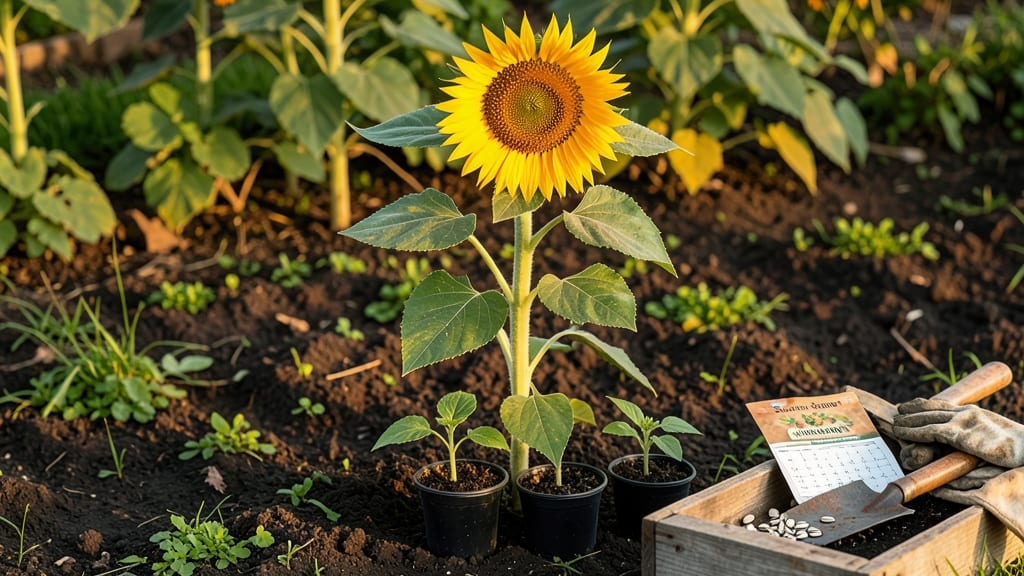
Plant sunflowers in Pennsylvania after your last frost date — typically mid-April to early June — to give them the 165-200 frost-free days they need to reach their full 4- to 14-foot glory.
Sunflowers bring vibrant color and joy to Pennsylvania gardens—but planting them too early or late can ruin your harvest. Timing is everything, especially in Zones 6-7 where frost dates shift dramatically.
If you miss the window, you might end up with stunted plants or no blooms at all. The good news? With the right preparation, you can extend your growing season and enjoy those cheerful 🌻 faces from summer through fall.
Below, I’ll walk you through the exact planting timeline for your zone, soil prep tips, and how to keep your sunflowers thriving until harvest—so you can enjoy their beauty without the guesswork.
Pennsylvania sunflower planting calendar: Zone 6 vs Zone 7 frost dates
Sunflowers thrive in Pennsylvania's warm summers, but their success depends entirely on planting them at the right time. Zone 6 (northern PA) and Zone 7 (southern PA) have different frost dates, meaning your planting window shifts dramatically between Pittsburgh and Philadelphia.
Getting this wrong can mean stunted growth or frost damage—so let's break it down by region and variety.
In Zone 6, the last spring frost typically arrives around April 15-30, while Zone 7 sees its final frost closer to April 1-15. These dates create a 2-3 week difference in when you should plant sunflowers.
For example, Philadelphia gardeners can start sowing seeds by mid-April, while Pittsburgh gardeners should wait until late April to avoid frost damage.
Sunflowers need warm soil to germinate—ideally 60°F or above. In Pennsylvania, soil temperatures reach this threshold around mid-May in Zone 6 and early May in Zone 7.
If you plant too early, seeds may rot in cold, wet soil. Always check soil temperature with a soil thermometer before planting.
| Region & Zone | Last Frost Date | Ideal Planting Window | Soil Temp for Germination | Notes |
|---|---|---|---|---|
| Philadelphia (Zone 7a) | April 1-15 | Mid-April to early May | 60°F+ (early May) | Start early for late summer blooms |
| Pittsburgh (Zone 6b) | April 15-30 | Late April to mid-May | 60°F+ (mid-May) | Wait until soil warms to avoid rot |
| State College (Zone 6a) | April 20-25 | Late April to early May | 60°F+ (late May) | Use row covers for early starts |
| All Zones | N/A | Late May to early June (backup) | 60°F+ | Succession plant for extended harvest |
For direct sowing, which is ideal for sunflowers, plant seeds 1 inch deep and 6 inches apart. Thin seedlings to 12-18 inches apart once they reach 3-4 inches tall.
If you're transplanting seedlings, do so after the last frost when soil is warm, but be prepared for slower establishment compared to direct-sown seeds.
In Zone 7, you can push the envelope by planting early-maturing varieties like 'Autumn Beauty' or 'Teddy Bear' as early as late March under row covers. These varieties mature in 60-70 days, giving you a head start.
In Zone 6, stick to mid-season varieties like 'Mammoth Russian' or 'ProCut' planted in late April for reliable blooms.
Don't forget about late frosts, which can still occur in May. If nighttime temperatures drop below 32°F, protect young seedlings with frost cloth.
Sunflowers are generally frost-tolerant once established, but seedlings are vulnerable. Monitor your local National Weather Service forecasts and be ready to cover plants if needed.
For a second planting, try sowing late May to early June in both zones. This ensures a late-summer harvest before the first frost in October.
Just choose shorter-day varieties like 'Sunspirit' or 'Evening Sun' to prevent bolting too early. These varieties are better suited for Pennsylvania's shorter growing season.
Finally, consider soil preparation before planting. Sunflowers prefer well-draining soil with a pH of 6.0-7.5. Work in compost or aged manure a few weeks before planting to improve fertility. Avoid heavy soils that retain too much moisture, as sunflowers are prone to root rot
How to extend your sunflower growing season in Pennsylvania’s unpredictable climate
Pennsylvania’s unpredictable spring frosts can turn your sunflower dreams into disappointment if you don’t plan ahead. Even after the last frost date (typically mid-April), late cold snaps can still sneak in—especially in Zone 6 areas like Erie or Scranton.
The key to success? Proactive protection and smart planting strategies that let you stretch your growing season safely.
I’ve learned the hard way that sunflowers planted too early often bolt prematurely or get frost-nipped, while late plantings may not mature before fall frosts.
But with the right cold-hardy varieties and protective measures, you can enjoy those towering 🌻 blooms from July through October—no matter what Mother Nature throws your way.
Here are my top strategies for extending your sunflower season in PA, tailored to your local microclimate:
Apply lightweight frost cloth over young seedlings when nighttime temps drop below 40°F. Remove during the day to prevent overheating.
Opt for 55-65 day varieties like 'Autumn Beauty' or 'Teddy Bear'—they’ll mature before late summer frosts hit Zone 6-7.
Stagger plantings every 2 weeks from late April through early June for continuous blooms and harvests.
Use black plastic mulch in early spring to raise soil temps to 60°F+—sunflowers germinate best in warm soil.
Plant near south-facing fences or hills to create microclimates that trap heat and delay frost damage.
For Zone 7 gardeners in Philadelphia or Harrisburg, you’ve got a little more flexibility—you can push plantings into early June for late-summer blooms.
But in Zone 6, like in State College or Wilkes-Barre, I recommend starting seeds indoors in late March and transplanting after the last frost to maximize your season.
One of my favorite tricks? Planting sunflowers near corn or beans creates a natural windbreak that protects them from late frosts. The corn stalks act like a shield, and the beans add nitrogen to the soil—it’s a win-win for your garden ecosystem.
Just be sure to give your sunflowers plenty of space (12-18 inches apart) so they don’t compete for nutrients.
If you’re worried about late summer frosts threatening your mature plants, don’t panic. Sunflowers are surprisingly resilient—they can often survive light frosts once they’ve reached 3 feet tall.
But for extra protection, wrap the seed heads in burlap or move potted sunflowers indoors overnight if a frost warning is issued. With these strategies, you’ll enjoy those golden blooms well into fall—no matter what PA’s weather throws at you! 🌻