
Flowers
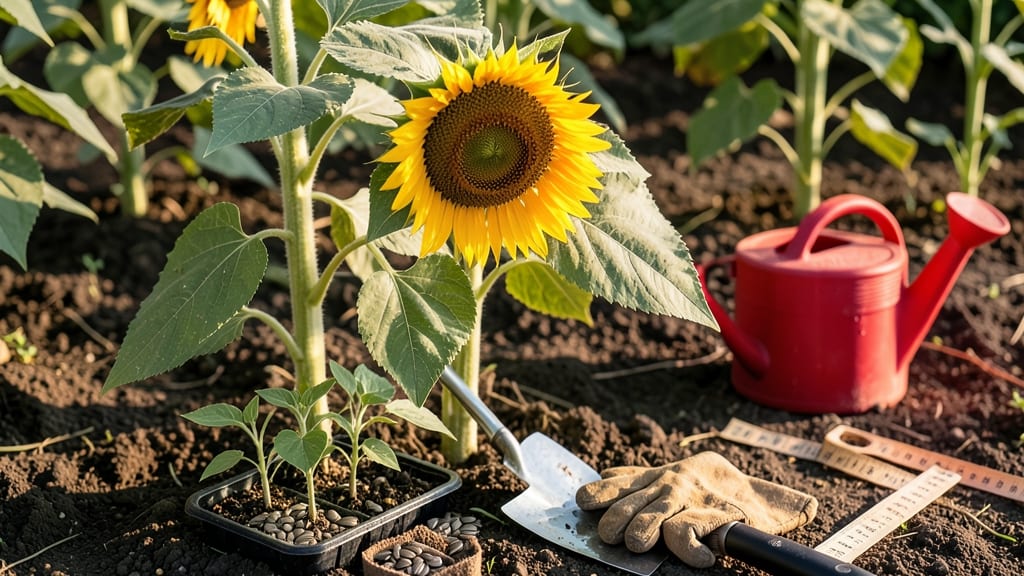
Plant sunflowers in San Diego from late winter through early spring for the fastest growth and boldest blooms 🌻 — timing this right means towering stems and vibrant flowers by summer.
Sunflowers thrive in San Diego’s warm climate—but planting them at the wrong time can mean wilted stems and missed blooms. Timing is everything for growing bold, sun-drenched flowers that attract pollinators and turn heads in your garden.
The key is starting when soil temperatures hit 55°F, which in San Diego usually lands in January or February. This gives your sunflowers 60–90 days to mature before summer’s peak heat arrives, ensuring they reach their full height and vibrant color.
Below, I’ll break down the best months to plant, how to adjust for coastal vs. inland microclimates, and the sunflower varieties that perform best in USDA Zone 10a. You’ll learn how to set your sunflowers up for success from the very first seed.
Best months to plant sunflowers in San Diego for maximum growth
San Diego’s mild winters and warm summers create perfect conditions for growing sunflowers year-round. But to get the tallest stems and brightest blooms, timing matters. Planting too early can lead to leggy, weak stems, while late planting may mean missed summer blooms.
The key is planting when soil temperatures hit 55°F or warmer, ensuring fast germination and robust growth before summer heat peaks.
Unlike northern climates, San Diego’s frost-free zone (10a) means no frost risk to worry about. This gives you flexibility, but strategic timing still maximizes your sunflowers’ potential. The ideal window is between January and March, with a secondary planting opportunity in late summer (August-September) for fall blooms.
Let’s break down the best months and why they work for your local climate.
For maximum height and boldest blooms, I recommend starting with late January to early February plantings. This gives your sunflowers 4-5 months of growing time before summer heat arrives. The cooler winter temperatures help establish strong root systems, while increasing daylight in spring fuels rapid stem growth.
Aim for 60-90 days to maturity—most varieties reach this point by late spring or early summer.
If you’re growing sunflowers for cut flowers or seed production, consider the late August-September window. These late plantings produce fall blooms when many other flowers have finished.
The cooler autumn temperatures help prevent bolting (premature flowering), giving you more control over bloom timing. Just be prepared for slightly shorter stems compared to spring plantings.
San Diego’s microclimates can affect planting success. Coastal areas stay cooler and wetter longer, while inland regions heat up faster. For coastal San Diego, you can plant as early as December without frost concerns.
Inland areas should wait until February to avoid heat stress on young seedlings. Always check your specific soil temperature—use a soil thermometer to confirm it’s above 55°F before planting.
One common mistake is planting sunflowers too close to summer’s peak heat (June-August). While they’re drought-tolerant once established, young plants struggle in 90°F+ temperatures. If you must plant in summer, use shade cloth for the first 2-3 weeks and water deeply every 2-3 days.
Choose heat-tolerant varieties like 'Autumn Beauty' or 'Moulin Rouge' for better success.
For fastest germination, I’ve found that pre-soaking seeds for 4-6 hours before planting works wonders in San Diego’s dry climate. Plant seeds 1 inch deep and 6-12 inches apart (closer for dwarf varieties, wider for giants).
Thin seedlings to 18-24 inches apart when they’re 3-4 inches tall. This spacing prevents crowding and ensures each plant gets enough sunlight and nutrients.
Remember that sunflowers are heliotropic—they follow the sun! This means stems will grow taller and straighter with full sun exposure. In San Diego, most areas get plenty of sun, but if you’re growing in shaded spots, expect smaller blooms and weaker stems.
For best results, place your sunflowers in the sunniest spot you have, even if it’s a south-facing wall or rooftop garden.
How to adjust planting time for San Diego’s microclimates
San Diego’s diverse microclimates mean coastal areas near La Jolla can be 10°F cooler than inland spots like El Cajon. These temperature shifts directly impact when you should plant sunflowers to avoid heat stress or stunted growth.
Coastal regions with marine layer influence benefit from earlier plantings, while inland areas need delayed starts to prevent summer wilting.
Urban heat islands in downtown San Diego can push soil temps 5°F higher than surrounding areas, creating ideal conditions for early planting. Meanwhile, higher elevations like Cuyamaca (3,000+ ft) experience cooler nights, allowing for extended growing seasons.
Understanding these variations helps you time plantings for maximum height before summer’s peak heat.
🌱 Comparison Table: Planting Windows by San Diego Microclimate
For coastal areas, aim to plant by January 15th to ensure sunflowers reach 4–6 feet before summer’s heat peaks in June. The marine layer provides natural cooling, but avoid planting after February 15th—late starts risk bolting too quickly without proper height development.
In inland microclimates, delay planting until mid-February to prevent heat stress. Use mulch to retain moisture and shade cloth during peak afternoon sun (1–4 PM) to protect young seedlings. This adjustment gives sunflowers 8–10 weeks of cooler growth before summer’s intensity.
If you’re in an urban heat island, take advantage of the warmer soil by planting 2–3 weeks earlier than inland areas. Monitor soil temps with a soil thermometer—once it hits 60°F, seeds will germinate in 5–7 days.
For high elevations, extend your planting window into early March to capitalize on cooler nights that slow summer heat buildup.
Pro tip: Use dwarf varieties like 'Teddy Bear' in hotter microclimates—they mature faster (60 days) and tolerate 90°F+ temps better than tall varieties. For maximum height, plant 'Russian Giant' in coastal areas where it has 10+ weeks of cooler growth before summer.