
Flowers
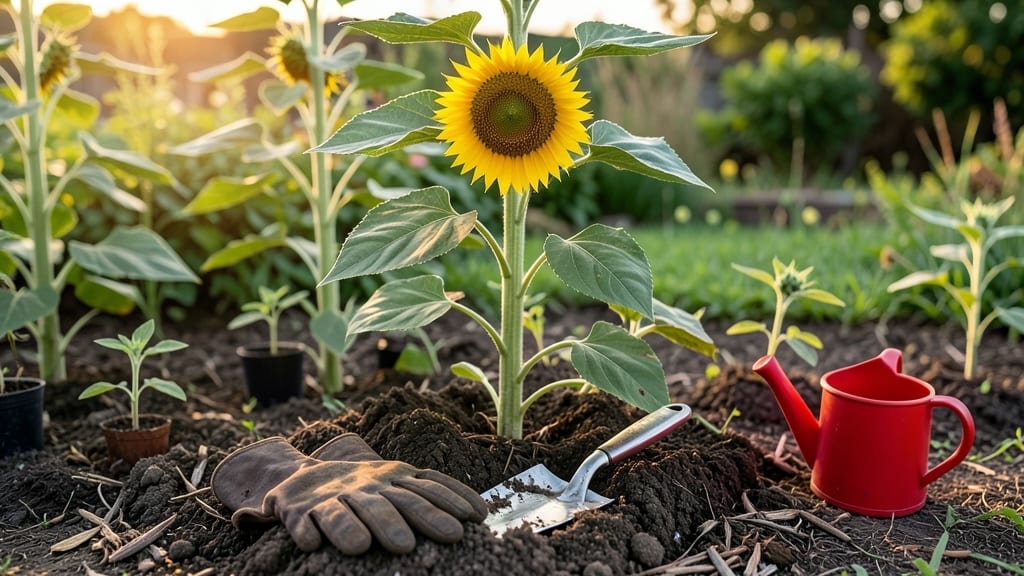
To plant sunflowers in South Carolina, aim for late March through early April after the last frost date — timing that lets these 🌻 beauties soak up the state’s long, sunny summers.
Sunflowers thrive in South Carolina’s warm climate, but planting them at the wrong time can mean wilting before they bloom—or attracting pests before they mature. Timing is everything for these cheerful giants, especially when you factor in the state’s distinct growing zones and heat tolerance.
In zones 7b-8a, you’ve got a 215-day frost-free window to work with, but rushing it means risking frost damage, while waiting too long can leave you with scraggly, underdeveloped plants. The key is planting when soil temperatures hit 55°F, usually by mid-April in most regions.
Below, I’ll break down the exact months by zone, the best heat-tolerant varieties for SC’s summers, and how to adjust timing for coastal vs. Piedmont microclimates—so you end up with towering, vibrant blooms instead of disappointment.
South Carolina sunflower planting calendar: exact months by USDA growing zone
South Carolina’s USDA zones 7b-8a offer perfect conditions for sunflowers, but knowing the exact planting windows ensures vibrant blooms instead of wilted stalks. The key is timing: too early risks frost damage, while late planting may mean missed blooms before fall.
I’ve broken down the ideal months for direct sowing and transplanting, plus heat tolerance tips for SC’s humid summers.
Sunflowers in South Carolina thrive with 215 frost-free days (from mid-March to mid-November), but your last frost date varies by zone. Zone 7b (e.g., Columbia) averages March 15, while zone 8a (e.g., Charleston) sees frost as late as March 22.
Use these dates to calculate your planting window, which typically starts 2-3 weeks after frost for direct sowing.
For direct sowing, aim for late March to early May in zone 7b and early April to mid-May in zone 8a. Soil temperatures should reach 55°F+—test with a soil thermometer or wait until daytime highs hit 65°F.
If you’re using starter plants, transplant them 2-3 weeks earlier (mid-March to early April in 7b, late March to mid-April in 8a).
| Zone & Location | Direct Sowing Window | Transplant Window | Soil Temp Threshold | Heat Tolerance Tip |
|---|---|---|---|---|
| Zone 7b (Columbia, Greenville) | Late March – Early May | Mid-March – Early April | 55°F+ (test with thermometer) | Use 'Autumn Beauty' for late summer blooms |
| Zone 8a (Charleston, Hilton Head) | Early April – Mid-May | Late March – Mid-April | 55°F+ (warmer soils earlier) | Plant 'Russian Giant' for fall harvest |
| Coastal (e.g., Myrtle Beach) | Early April – Late May | Late March – Early April | 60°F+ (sandy soil warms slower) | Mulch to retain moisture in humid air |
| Piedmont (e.g., Spartanburg) | Late March – Early May | Mid-March – Late March | 50°F+ (clay soil cools slower) | Avoid late plantings—heat stress risks |
South Carolina’s summer heat can be brutal for sunflowers, so timing matters. For early spring plantings (March-April), choose heat-tolerant varieties like 'Moulin Rouge' or 'ProCut' to handle 90°F+ temperatures.
If you’re in zone 8a, you can also try a fall planting in late July to early August for late-season blooms—just ensure seeds mature before first frost (mid-November).
My pro tip: Use black plastic mulch to warm soil faster in early spring or shade cloth for summer seedlings to prevent bolting. In coastal areas, watch for humidity stress—space plants 12+ inches apart and water at soil level to avoid fungal issues.
For Piedmont gardens, amend heavy clay soil with compost to improve drainage and heat retention.
One common mistake is planting sunflowers too early in zone 7b, where late frosts can kill seedlings. Always check your local Cooperative Extension Service for updated frost dates. Another trick? Plant dwarf varieties (like 'Teddy Bear') in containers for patios—these bloom faster and handle heat better than giants.
For extended harvests, stagger plantings every 2 weeks from April to June. This ensures continuous blooms from July through October. If you’re in zone 8a, you might even squeeze in a second fall crop by mid-August—just use fast-maturing varieties like 'Early Bird' (50 days to maturity).
Remember: sunflowers love full sun (6+ hours daily), but in SC’s heat, afternoon shade can prevent wilting. If your garden gets intense afternoon sun, opt for morning sun + dappled shade to protect young plants.
Pair sunflowers with companion plants like marigolds to deter pests and improve soil health.
Finally, don’t forget to harvest seeds before birds do! Watch for drooping petals and yellow backsides—these signal maturity. Cut heads, dry them indoors, and store seeds in paper bags for next year’s garden.
With the right timing, your sunflowers will reach towering heights and bring joy from summer into fall.
Best heat-tolerant sunflower varieties for South Carolina’s summer heat
South Carolina’s summer heat and humidity can challenge sunflowers, but the right varieties thrive here with minimal fuss. I’ve grown heat-tolerant sunflowers for years in zones 7b-8a, and these top 5 varieties consistently deliver bold blooms and drought resistance even when temperatures hit 95°F+.
For coastal SC, where humidity lingers, look for varieties with disease resistance like 'Autumn Beauty'. In the Piedmont region, where heat is drier, 'Russian Giant' stands tall with minimal water needs. Each variety balances maturity speed, height, and maintenance for SC’s climate.
'Autumn Beauty' is my go-to for humid coastal areas because it blooms in 70-80 days and handles heavy moisture without wilting. Its red-and-yellow petals add vibrant color to summer gardens, and it’s disease-resistant, which is a lifesaver in SC’s muggy afternoons.
If you want tall sunflowers for cut arrangements, 'Russian Giant' reaches 10-14 feet but needs staking in windy Piedmont regions. Plant it in late April to avoid early heat stress, and water deeply once a week once established. Just watch for squirrels—they love the seeds!
'Teddy Bear' is perfect for small spaces or container gardens, maturing in just 50-60 days. Its compact 1-3 ft height makes it ideal for balconies or borders, and it’s drought-tolerant once roots establish. I’ve seen it thrive in full sun with minimal watering during SC’s hottest months.
For long-lasting blooms, 'ProCut' is a hybrid favorite with 65-75 day maturity and clean stems for arrangements. It’s slightly less drought-tolerant than others but handles heat waves better than standard varieties.
Pair it with 'Moulin Rouge', which blooms in 60-70 days and has deep red petals that stand out against green foliage.
To maximize success, plant all varieties in well-draining soil with compost for nutrients. Mulch around the base to retain moisture and reduce weed competition. With the right variety and care, your sunflowers will thrive in SC’s heat and bring joy from summer through fall. 🌻