
Flowers
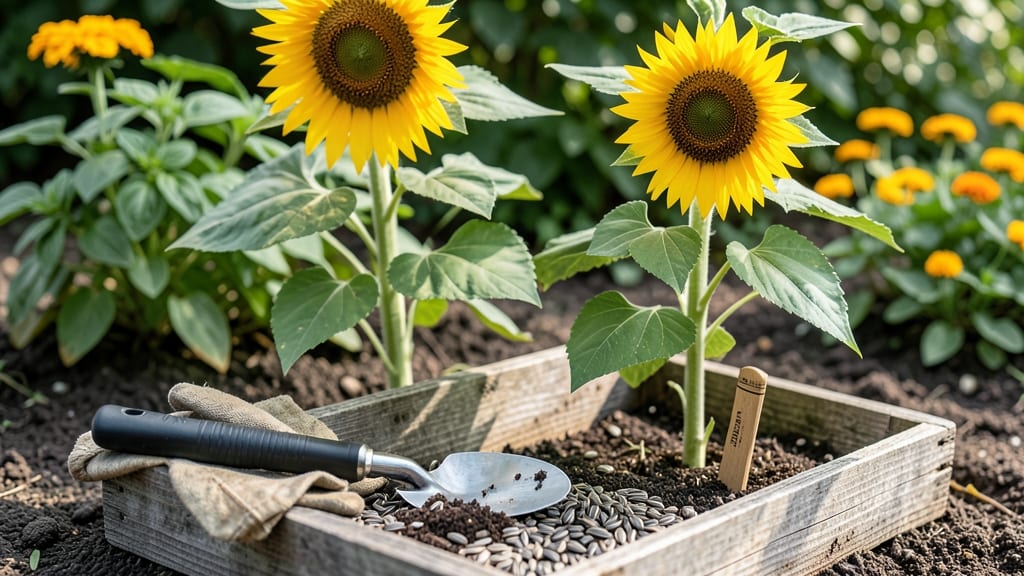
Planting sunflowers in Virginia at the right time ensures towering 🌻 blooms that thrive from spring through fall—miss the window, and you risk leggy stems or frost damage before they mature.
Sunflowers bring vibrant color and joy to Virginia gardens—but planting them too early or late can mean the difference between towering blooms and wilted disappointment. Timing is everything, and Virginia’s diverse climate zones demand precision.
In USDA zones 7a-8b, your best bet is mid-April to mid-June for direct sowing, when soil temperatures hit at least 50°F. Early varieties like 'Teddy Bear' can handle cooler soil, while giant types like 'Russian Giant' need warmer conditions to reach their full height.
Below, I’ll break down the exact frost-free dates by zone, the best varieties for your region, and pro tips to extend your sunflower season—so you can enjoy those cheerful faces from July through October.
Virginia sunflower planting dates by USDA hardiness zones
Virginia’s diverse climate—spanning USDA zones 6b through 8a—means sunflower planting dates vary dramatically.
In cooler zone 6b, you’ll need to wait until late April, while warmer zone 8a gardeners can start as early as mid-March. Timing directly impacts bloom size and frost survival, so let’s break down the exact windows for your region.
For most Virginia gardeners, the ideal planting window is between mid-April and mid-June. This ensures sunflowers establish roots before summer heat arrives. However, starting seeds indoors 4-6 weeks before the last frost lets you enjoy earlier blooms—especially valuable for short-season varieties or northern VA locations.
Here’s the critical data you need: last average frost dates by zone, soil temperature thresholds, and optimal planting periods for both direct sowing and transplants.
| USDA Zone | Avg. Last Frost | Direct Sow Window | Transplant Window | Indoor Start (Early) |
|---|---|---|---|---|
| 6b (NW VA) | April 15-20 | April 25 - May 15 | April 10-25 (hardened plants) | March 1-15 (50°F soil) |
| 7a (Central VA) | April 1-10 | April 15 - May 10 | March 25 - April 10 | February 25 - March 10 |
| 7b (Richmond) | March 25 - April 5 | April 1 - May 5 | March 15 - April 1 | February 15 - March 5 |
| 8a (SE VA) | March 10-20 | March 15 - April 30 | March 1 - March 15 | January 30 - February 15 |
Note: Adjust dates 1-2 weeks earlier for microclimates with early warming (e.g., urban heat islands).
In zone 6b, where frosts linger into late April, I recommend waiting until soil temperatures hit 50°F before planting. Use a soil thermometer to confirm—cold soils delay germination.
For zone 8a, you can push planting to early March, but watch for unpredictable late frosts that can blacken young seedlings.
Direct sowing is easiest for sunflowers, but transplants give you a 2-3 week head start. Start seeds indoors under grow lights 4-6 weeks before your last frost date. Use biodegradable pots to avoid root disturbance when transplanting.
For early blooms, I’ve had success with 'Autumn Beauty' started in late February—its longer maturity lets it outpace spring frosts.
Pro tip: Succession plant every 2 weeks from April through June to enjoy continuous blooms all summer. In zone 7b and warmer, you can even try a fall planting (August-September) for late-season color before frost. Just choose shorter-day varieties like 'Teddy Bear' to ensure they mature before winter.
Watch for soil temperature fluctuations—sunflowers won’t germinate below 50°F. If nights stay chilly, use row covers or black plastic mulch to warm the soil faster. In my zone 7a garden, I’ve seen 30% faster germination with these simple tricks during cool springs.
For late-season varieties, like 'Russian Giant', plant by mid-June to give them time to bolt and flower before frost. These giants need 120+ days to mature, so zone 6b gardeners should skip them unless you’re willing to start indoors in February.
Remember: Sunflowers are frost-tolerant as seedlings but won’t survive frost at any growth stage. If a late frost threatens after planting, cover young plants with frost blankets or old bedsheets. I’ve saved entire rows this way in zone 7a’s unpredictable springs.
Best sunflower varieties for Virginia’s climate & their planting times
Virginia’s USDA zones 6b-8a create the perfect stage for stunning sunflowers, but not all varieties thrive equally in our humid summers and variable springs. Choosing the right type—and planting at the perfect time—ensures your sunflowers reach their full potential height and vibrant color.
Whether you want dwarf varieties for containers or giant sunflowers for dramatic borders, timing is critical to avoid early frosts or scorching heat.
From heat-tolerant 'Russian Giant' to early-blooming 'Moulin Rouge', each variety has its own ideal planting window. In Virginia, mid-April to mid-June is the sweet spot for most sunflowers, but dwarf types can handle slightly earlier starts.
Let’s break down the best options for your garden and when to plant them for maximum impact.
Virginia Sunflower Varieties: Planting Pros & Cons
Dwarf Varieties
- Pros: Compact, ideal for containers, blooms early
- Cons: Shorter stature, less dramatic impact
Best for: Patio gardens, small spaces
Planting Time: Late March to early May
Examples: 'Teddy Bear', 'Moulin Rouge'
Mid-Height Varieties
- Pros: Balanced height, versatile, great for cut flowers
- Cons: Needs staking for heavy blooms
Best for: Cut flower arrangements, mixed borders
Planting Time: Mid-April to early June
Examples: 'Autumn Beauty', 'ProCut Lemon Queen'
Giant Varieties
- Pros: Stunning height, dramatic impact, great for seed harvest
- Cons: Needs strong support, late to mature
Best for: Statement plants, seed production
Planting Time: Mid-April to mid-May
Examples: 'Russian Giant', 'Mammoth Russian'
For dwarf sunflowers, like the popular 'Moulin Rouge', I recommend planting seeds 4-6 weeks before your last frost date. These varieties mature quickly—often in 50-60 days—so early planting ensures blooms before Virginia’s summer heat peaks.
They’re perfect for container gardens or small spaces and can even tolerate partial shade better than their taller cousins.
If you’re growing mid-height varieties, such as 'Autumn Beauty', aim for mid-April to early June planting. These sunflowers take 60-75 days to mature, making them ideal for cut flower arrangements.
Their heat tolerance is excellent, but they benefit from regular watering during Virginia’s dry spells. Staking is often necessary to support their heavy blooms.
The giant sunflowers, like the iconic 'Russian Giant', demand the most precision in timing. Plant these mid-April to mid-May for the best results, as they need 100-120 days to reach maturity.
These varieties thrive in Virginia’s long, hot summers but require well-draining soil and deep watering to prevent root rot. Their towering heights (10-16 feet!) make them a showstopper in any garden.
No matter which variety you choose, remember that Virginia’s climate can be unpredictable. Always check your local frost dates and adjust planting times accordingly. For extra insurance, consider using row covers if planting early or late in the season.
With the right variety and timing, your sunflowers will blossom beautifully and bring joy all summer long.