
Plants
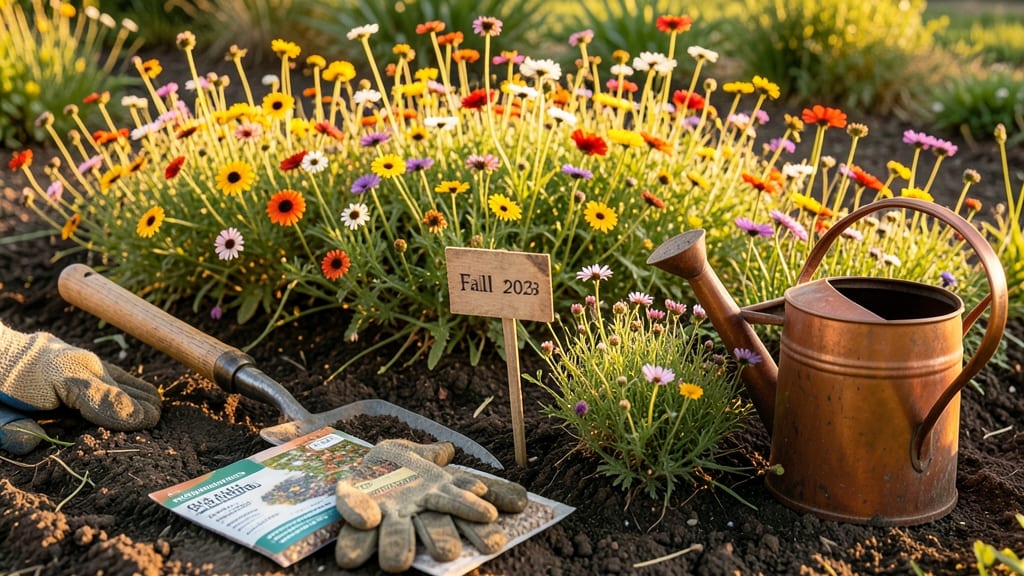
Planting wildflower seeds in Georgia at the right time means vibrant blooms by spring and summer 🌼 — aim for late winter to early spring or fall, when soil temps and moisture align with seed needs.
Georgia’s wildflowers burst into vibrant blooms that attract pollinators and transform landscapes—but planting at the wrong time can leave you with sparse results. Timing is everything, especially when balancing Georgia’s humid summers and unpredictable frosts.
Fall planting in September or October gives seeds time to germinate before winter, while spring planting in February or March avoids summer heat stress. Both windows work in Georgia’s 7a-9a zones, but regional frost dates shift the ideal timing slightly.
Below, I break down the exact frost-free windows for your zone, the best wildflower varieties for each season, and how to prep soil for maximum germination—so you can skip the guesswork and enjoy a pollinator-friendly garden all year.
Georgia wildflower planting calendar by Zone (7b vs 8a)
Georgia’s wildflower planting windows hinge on two key factors: USDA hardiness zones and frost dates. In Zone 7b (northern GA), the last frost typically arrives March 15-30, while Zone 8a (southern GA) enjoys a 20-30 day earlier frost-free start.
These differences mean your planting timeline could shift by weeks—critical for wildflower seeds that need consistent moisture to germinate.
Most gardeners focus on fall and spring planting, but summer sowing is possible with shade cloth and extra water. The key is matching seed types to your zone’s temperature ranges—cool-season wildflowers like Bluebonnets thrive in fall, while heat-loving Black-Eyed Susans prefer spring.
Let’s break down the exact windows for each zone.
| Planting Window | Zone 7b (Northern GA) | Zone 8a (Southern GA) | Ideal Soil Temp | Seasonal Risks |
|---|---|---|---|---|
| Early Spring | March 1-15 (after last frost) | February 15-March 1 | 55-65°F | Late frosts, uneven germination |
| Late Spring | April 15-May 15 | March 15-April 15 | 60-75°F | Drought stress, summer heat |
| Summer | June 1-July 15 (with shade) | May 15-June 30 (with shade) | 70-80°F | Overwatering, fungal growth |
| Fall | September 1-October 15 | August 15-September 30 | 60-70°F | Early frosts, seed dormancy |
| Winter | Avoid (dormancy period) | Avoid (dormancy period) | Below 40°F | Seed rot, poor germination |
Zone 8a can extend seasons by 3-4 weeks compared to Zone 7b
For Zone 7b, aim to plant wildflower seeds between September 1-October 15 for fall blooms or March 1-March 15 for spring. The 60-70°F soil temperature range during these windows ensures optimal germination.
In Zone 8a, you can push fall planting to late October and spring planting to early April—just watch for unpredictable late frosts in March.
Summer planting is tricky but possible with shade cloth (30-50% coverage) to protect seeds from intense Georgia sun. I’ve had success sowing heat-tolerant varieties like Coreopsis in late May-June by keeping the soil consistently moist.
The trade-off? More frequent watering to prevent crusting. If you’re in Zone 8a, you can start summer sowing as early as mid-May.
One common mistake I see is planting too early in spring before the soil warms. Wildflower seeds need consistent moisture and warmth—if you plant in February, you risk frost damage or seeds washing away during heavy spring rains.
Always check the 7-day forecast for stable temperatures before sowing. For fall, wait until after Labor Day to avoid early frosts that can kill tender seedlings.
Pro tip: Use a soil thermometer to confirm temps before planting. Most wildflower seeds germinate best between 60-75°F. In Zone 7b, I’ve found that September 15 is the sweet spot for fall planting—warm enough for germination but cool enough to avoid summer stress.
In Zone 8a, you can push it to October 1 with similar success.
Post-planting care varies by season. In spring and fall, water lightly daily until seeds sprout (about 1-2 weeks). Once seedlings emerge, reduce to 2-3 times per week.
For summer plantings, water every other day and use mulch to retain moisture. Avoid overhead watering—it can wash seeds away or cause fungal issues in humid Georgia summers.
Remember, Zone 8a’s longer growing season gives you more flexibility. You can even try a second fall planting in November for late-season blooms, while Zone 7b gardeners should wrap up by October 15.
The key is adapting to your local microclimate—some years, a 1-2 week shift in planting dates can mean the difference between thriving wildflowers and sparse blooms.
Start with native Georgia wildflowers like Purple Coneflower or Butterfly Weed—they’re adapted to your climate and require less fuss. Happy planting! Your pollinators will thank you. 🌼
Best wildflower seed types for Georgia’s climate and seasonal planting
Georgia’s native wildflowers thrive when planted at the right time, and choosing the right species for your seasonal planting window ensures vibrant blooms all year. Spring and fall are the ideal times, with each season offering different benefits for pollinator-friendly gardens.
For spring planting (February-March), opt for fast-growing annuals that bloom quickly, while fall planting (September-October) gives perennials time to establish roots before winter. Georgia’s climate—especially in USDA zones 7b-8a—favors drought-tolerant species that handle humidity and occasional heatwaves.
Native Georgia wildflowers like Black-Eyed Susan, Coneflower, and Coreopsis are excellent choices because they’re adapted to local conditions, require minimal care, and support local ecosystems. Below, I’ve organized the best wildflower seeds by planting season, including their bloom duration and drought tolerance.
🌱 Spring Planting (February-March)
- 🌼 Black-Eyed Susan (Rudbeckia hirta) – Drought-tolerant, blooms June-September, attracts butterflies.
- 🌻 Coreopsis (Tickseed) – Fast-growing annual, blooms April-July, thrives in poor soil.
- 🌸 Lupine (Lupinus) – Nitrogen-fixing, blooms April-June, great for slopes.
🍂 Fall Planting (September-October)
- 🌺 Purple Coneflower (Echinacea) – Perennial, blooms July-October, highly drought-resistant.
- 🌿 Goldenrod (Solidago) – Late-season bloomer, blooms August-November, supports bees.
- 🌹 Blanket Flower (Gaillardia) – Heat-loving, blooms May-Frost, thrives in full sun.
When selecting seeds, prioritize native species like those listed—they’re already adapted to Georgia’s climate and require less water once established. For spring plantings, focus on annuals that bloom quickly, while fall plantings should emphasize perennials for long-term color.
Pro tip: Mix short, medium, and tall varieties to create a layered look. For example, pair Coreopsis (short) with Coneflower (medium) and Black-Eyed Susan (tall) for a dynamic garden that attracts pollinators from spring to frost 🌼.