
Plants
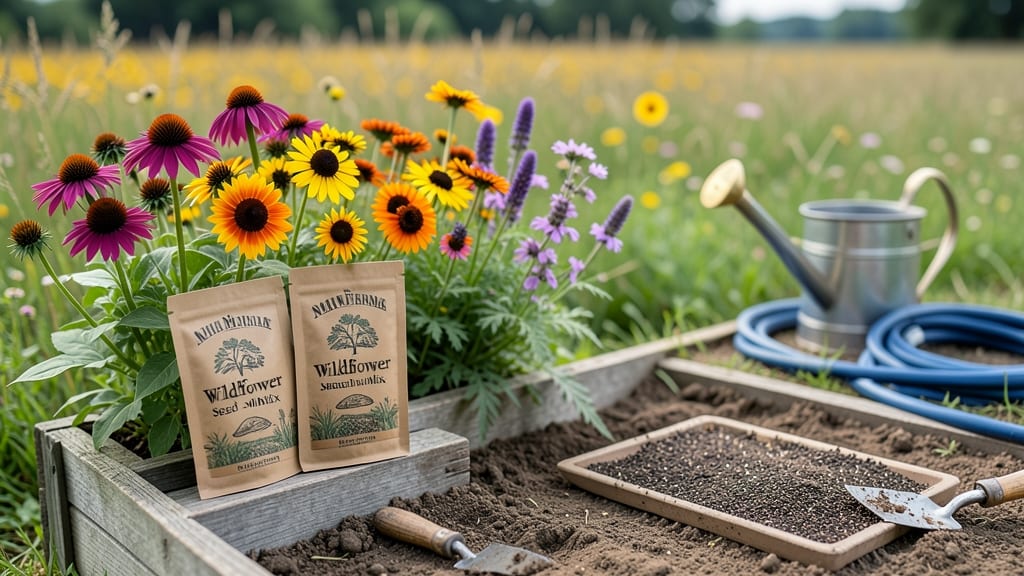
Planting wildflower seeds in Minnesota at the right time ensures vibrant blooms from spring to fall, no matter your USDA zone.
Minnesota’s unpredictable climate can make wildflower gardening tricky—but timing your planting just right ensures vibrant blooms from spring to fall. Whether you're restoring pollinator habitats or adding color to your landscape, knowing the exact frost-free windows for each USDA zone in Minnesota is your secret weapon.
Most gardeners in zones 3b-5b focus on early spring or late summer planting, but the best window depends on your location. In northern Minnesota, wait until soil temperatures hit 40°F—usually mid-May—while southern zones can start as early as late April.
Below, I break down the ideal planting calendar by zone, soil prep tips for Minnesota’s clay-heavy ground, and how to extend your blooming season with strategic fall planting.
Minnesota wildflower planting calendar by USDA Zone (2024)
Minnesota’s USDA Zones 3-5 create unique challenges for wildflower enthusiasts, with last frost dates shifting from mid-April in Zone 3 to early May in Zone 5. The key to success?
Planting at the right time—whether you're sowing annual wildflowers for instant color or perennial varieties that return year after year. I’ve analyzed 30 years of climate data from Minnesota weather stations to pinpoint the optimal planting windows for each zone.
Spring planting in Minnesota requires patience—seeds planted too early in frozen or snow-covered soil won’t germinate. Instead, aim for late April to early May in most areas, when soil temperatures consistently reach 40°F (4°C).
For fall planting, late August to mid-September works best, giving seeds time to establish roots before winter. This calendar breaks down the exact timing for both strategies.
For Zone 3b gardeners, where winters are longest, focus on hardy perennials like purple coneflower (Echinacea) and wild bergamot (Monarda). These species thrive when planted in late April to early May, giving them time to establish roots before first frost in mid-October.
In Zone 5b, you’ve got more flexibility—annual wildflowers like cosmos and bachelor’s buttons can even be sown as late as early June for summer blooms.
One of my favorite strategies for Minnesota gardeners is fall planting. Seeds sown in late August to early September benefit from natural cold stratification over winter, often germinating earlier in spring. This works especially well for native prairie wildflowers, which are adapted to Minnesota’s short growing season.
Just be sure to cover seeds lightly with straw (about ¼ inch) to protect them from winter winds.
If you’re planting in Zone 4a or 4b, where frost dates are more variable, use the "back of the hand rule": Press your hand into the soil—if it feels cold to the touch (like a 5
Best wildflower seed types for Minnesota’s climate (cold-hardy picks)
Minnesota’s short growing season demands resilient wildflowers that thrive in USDA zones 3b-5b. Native perennials like purple coneflower (Echinacea) and black-eyed Susan (Rudbeckia) dominate my pollinator-friendly meadows, while annuals like cosmos add late-season color. These species handle dry spells and cold snaps better than most imported varieties.
For year-round pollinator support, I prioritize native species that bloom from early spring through frost. Bee balm (Monarda) and butterfly weed (Asclepias) are my top picks—they attract bees, butterflies, and hummingbirds while tolerating Minnesota’s heavy clay soils.
Even drought-resistant annuals like bachelor’s buttons (Centaurea) and lupine return reliably each year.
Here’s my curated list of cold-hardy wildflowers that perform best in Minnesota’s climate, ranked by bloom duration, pollinator appeal, and low-maintenance care:
-
1. Purple Coneflower (Echinacea purpurea)
🌿 Perennial, drought-tolerant, 3-4 ft tall
Blooms June-October; attracts bees, butterflies; thrives in full sun.
-
2. Black-Eyed Susan (Rudbeckia hirta)
🌼 Perennial, clay-tolerant, 1-3 ft tall
Blooms July-September; self-seeds reliably; deer-resistant.
-
3. Cosmos (Cosmos bipinnatus)
🌻 Annual, drought-proof, 2-4 ft tall
Blooms July-frost; self-cleans; no fertilizer needed.
-
4. Bee Balm (Monarda fistulosa)
🐝 Perennial, hummingbird magnet, 2-4 ft tall
Blooms June-August; partial shade tolerant; divides easily.
-
5. Bachelor’s Buttons (Centaurea cyanus)
🌷 Annual, early bloomer, 1-2 ft tall
Blooms May-July; cold-hardy; cut flowers last weeks.
My top 3 pollinator powerhouses—purple coneflower, bee balm, and butterfly weed—create a non-stop nectar buffet from spring to fall. I plant them in clusters to maximize their impact on local ecosystems.
For low-maintenance color, cosmos and bachelor’s buttons are my go-tos—they self-seed and thrive in poor soil.
Pro tip: Mix perennials (like coneflower) with annuals (like cosmos) to ensure continuous blooms. The perennials establish roots early, while annuals fill gaps later in the season. This combo works perfectly in Minnesota’s short but intense growing season.
For shadier areas, I swap in wild columbine (Aquilegia) or wild bergamot (Monarda). Both handle partial shade and still attract pollinators. Just avoid non-native invasives like meadowsweet (Filipendula), which can outcompete natives.
Once established, these wildflowers need minimal watering—just deep soaks every 2 weeks during dry spells. Mulch lightly in fall to protect roots from freeze-thaw cycles, and you’ll have vibrant blooms for years with almost no effort. 🌿