
Plants
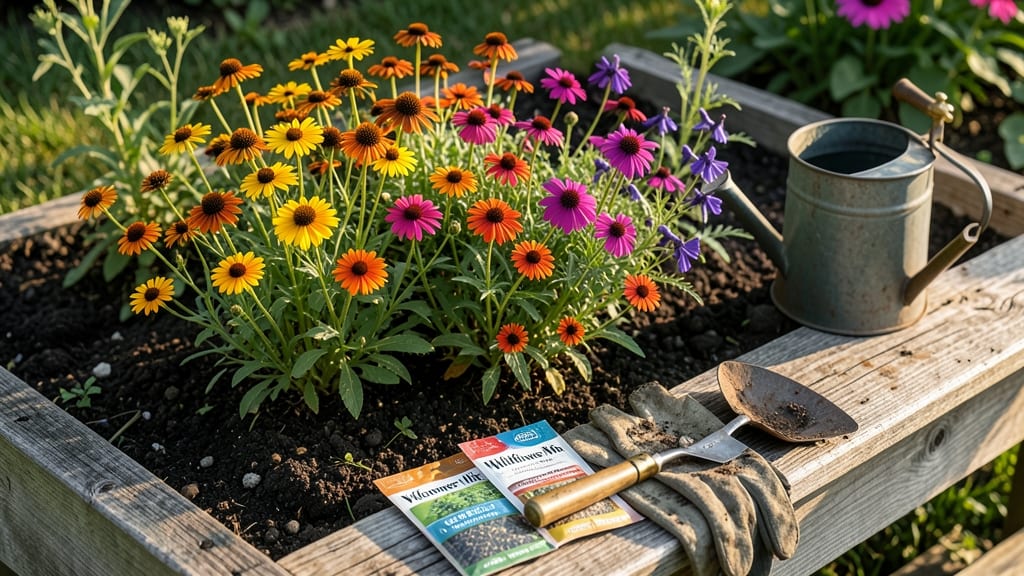
Planting wildflower seeds in NC at the right time means the difference between a lush, colorful meadow and a patch of dirt by next summer.
North Carolina’s varied climate—from the cool mountain air to the humid coastal plains—means wildflowers won’t wait for you. Miss the window, and you risk seeds drying out in summer heat or rotting under winter frost. But get it right, and you’ll enjoy blooms from spring through fall with minimal effort.
Most gardeners in zones 6a-8b should aim for late winter to early spring (February–April) or late summer to early fall (August–September). These are the two sweet spots when soil is cool enough to prevent seed loss and warm enough to encourage quick germination.
Below, I break down the exact deadlines by region, soil prep secrets, and how to choose seeds that thrive in your microclimate—so you can skip the guesswork and start planning your wildflower paradise today.
NC planting deadlines by USDA Zone: spring vs fall timing for wildflowers
North Carolina’s USDA zones 5a-8b create unique challenges for wildflower planting. In the mountain regions (5a-6a), early spring frosts can delay planting until mid-April, while Coastal Plain zones (7b-8b) often allow earlier sowing as early as February.
Timing matters because seeds planted too early may rot, while late plantings risk summer drought stress before roots establish.
Fall planting offers a second chance for perennial wildflowers, especially in Zone 6a and below, where seeds benefit from cool soil temperatures and winter moisture. However, avoid planting after mid-October in most regions, as seedlings need time to germinate before the first frost.
Coastal areas (Zone 8b) can extend fall planting until early November.
Key microclimate adjustments matter: Piedmont gardens (Zone 7a) often experience hotter summers and clay-heavy soils, requiring spring planting by March 15 to prevent drought stress. Meanwhile, Mountain regions (Zone 5a-6a) should wait until soil warms to 50°F+ (usually late April) to avoid frost damage.
For annual wildflowers, prioritize spring planting to ensure blooms before summer heat sets in. In Zone 7a-8a, sow seeds by April 1 for summer color, while Zone 5a-6a gardeners should wait until May 1 to avoid frost damage.
Fall-planted annuals rarely survive NC winters, so focus on perennials like black-eyed Susan or coneflower for year-round interest.
Microclimates create exceptions: North-facing slopes in mountain zones stay cooler, allowing earlier spring planting (as early as March 1), while south-facing slopes in Piedmont areas may need shade cloth to protect seedlings from intense afternoon sun.
Always check your local frost dates—tools like the NC State Extension Planting Calendar provide hyper-local guidance.
Soil preparation varies by season: For spring plantings, till the soil to 2-3 inches deep and remove weeds, but avoid working wet clay soils. In fall, focus on light raking to create seedbeds—heavy tilling can bury seeds too deeply.
A light mulch (straw or leaves) helps retain moisture during germination, whether planting in March or September.
Watering strategies differ by planting time: Spring-sown seeds need daily moisture until germination (usually 7-14 days), while fall plantings rely on natural rainfall and only require watering if drought conditions persist.
In Zone 8b, fall plantings may need weekly watering until the first frost to ensure seedling establishment.
Extend your blooming season by staggering plantings: Sow half your seeds in spring (for summer color) and half in fall (for next spring’s blooms). For example, plant coreopsis in April
Best wildflower seed mixes for NC’s seasons: when to plant for continuous color
North Carolina’s four distinct seasons create a perfect canvas for year-round wildflower blooms, but only if you plant the right mix at the right time. The key is layering seasonal varieties so that as one set fades, another bursts into color.
For example, spring ephemerals like bloodroot and trout lily give way to summer’s black-eyed Susans, while fall’s asters and goldenrods transition into winter’s hardy winter aconite.
To achieve this seamless transition, I recommend three core planting strategies: early spring for cool-season bloomers, late summer for heat-loving annuals, and fall for perennials that need time to establish roots before winter.
Each approach targets a different microclimate challenge—whether it’s avoiding Piedmont’s late frosts or beating Coastal Plain’s summer droughts.
- Early Spring (Feb–March): Plant spring ephemerals (bloodroot, Virginia bluebells) and cool-season perennials (coreopsis, phlox). Aim for 4–6 weeks before last frost—typically by March 15 in Zone 6a.
- Late Summer (Aug–Sept): Sow summer-blooming annuals (cosmos, zinnias) and drought-resistant perennials (blanket flower, coneflower). Seedlings need 6–8 weeks to establish before winter—plant by September 1 in Zone 7b.
- Fall (Oct–Nov): Focus on winter-hardy perennials (foxglove, hellebore) and shade-tolerant species (trillium, wild ginger). Soil temps should stay above 50°F for germination—ideal by October 15 in Zone 8a.
- Pro Tip: Mix seed sizes—large seeds (like coneflower) need 1/4" depth, while tiny wildflowers (e.g., bluebonnet) should stay surface-sown. Use a light rake to press seeds into soil without burying them.
For shade gardens—common in NC’s Piedmont forests—opt for Virginia bluebells (plant in fall for spring blooms) and wild columbine, which thrive in 3–6 hours of dappled sunlight. These varieties bridge the gap between spring ephemerals and summer’s sun-lovers, ensuring color even in woodland edges.
Drought-resistant mixes are a game-changer for NC’s Coastal Plain, where summer rains can be sporadic. Seed blends with black-eyed Susans, partridge pea, and coreopsis need only 1 inch of water per week once established.
Plant these in late summer (August) to let roots develop before the heat peaks.
To extend the season, pair spring-blooming bulbs (like wild daffodils) with late-summer perennials such as Joe Pye weed. The bulbs provide early color, while the perennials carry the show into September and October.
This two-tiered approach ensures your garden never goes bare—even during NC’s dog days of summer.
Finally, don’t overlook native grasses like little bluestem or switchgrass. These drought-tolerant stalwarts add texture and winter interest while supporting local pollinators. Plant them in late summer alongside wildflowers for a low-maintenance, high-impact meadow that thrives year-round.