
Plants
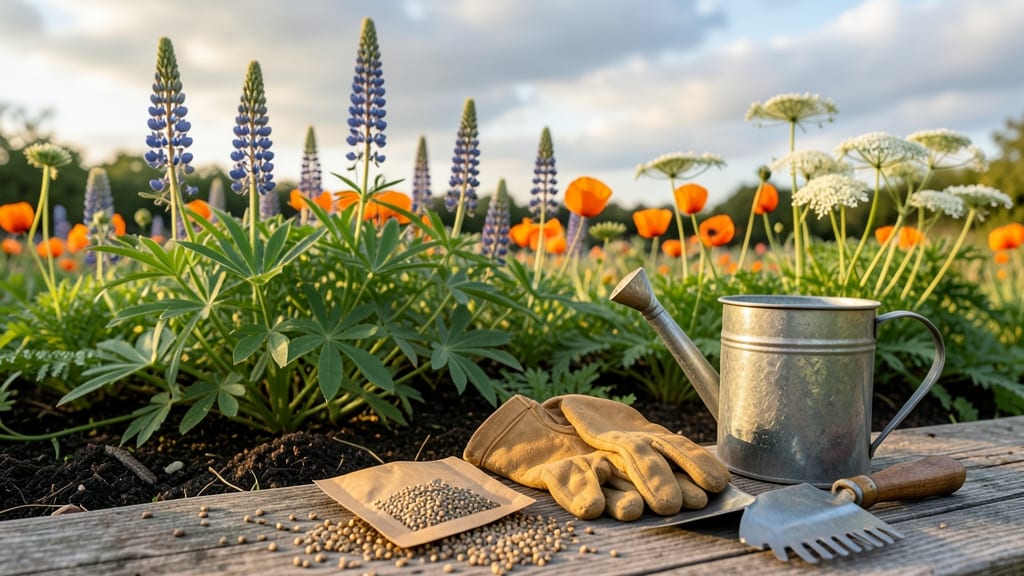
To plant wildflower seeds in Oregon, aim for early spring (March-April) or late summer/early fall (August-September) when soil temperatures and moisture align perfectly for germination.
Oregon’s diverse microclimates—from coastal fog to high-desert heat—can make wildflower planting a tricky balancing act. Plant at the wrong time, and your meadow might flop; get it right, and you’ll unlock vibrant blooms year after year. Here’s the science-backed schedule tailored to Oregon’s unique growing zones.
Most gardeners in USDA Zones 7b-9a swear by early spring planting, when the ground is workable but frost risks are low. Coastal areas like the Willamette Valley benefit from late winter sowing, while high-desert regions thrive with fall plantings before the first frost.
Below, I’ll break down the best months for your specific microclimate, the wildflower varieties that thrive in each zone, and pro tips to ensure your seeds take root—no guesswork required.
Oregon’s wildflower planting calendar by USDA zone (coastal vs. inland vs. high desert)
Oregon’s three distinct microclimates—coastal, inland, and high desert—create wildly different conditions for wildflower planting. The coastal zone (7b-8a) stays cooler and wetter, while the high desert (7a-9a) bakes in summer.
Inland valleys like the Willamette Valley (Zone 8b) offer a middle ground. Timing your planting with frost dates and soil temperatures is key to success.
Most wildflower seeds germinate best when soil temps reach 50-65°F, but native perennials often need stratification (cold treatment) to break dormancy. Annuals like lupine and blue-eyed grass thrive with spring sowing, while high-desert natives like blanketflower prefer fall planting to establish roots before winter rains.
Here’s your month-by-month planting guide tailored to Oregon’s zones, including frost-sensitive periods and rainfall patterns that impact germination.
For coastal Oregon, aim to plant annual wildflowers in late February or March when soil temps rise above 50°F.
This timing avoids winter rains that can wash seeds away while giving plants a head start before summer fog rolls in. Perennials, like Oregon sunshine, can also be sown in late summer (August) to establish roots before winter.
The Willamette Valley and other inland zones offer a slightly longer window. Start spring sowing in March for annuals like lupine, which blooms in late spring. For perennials, August planting is ideal—seeds germinate in fall, and plants grow slowly through winter, avoiding summer drought stress.
High-desert regions are fall-only for wildflower planting. Sow seeds in late August or September to take advantage of cool nights and winter moisture. Avoid spring planting here—intense heat and dry winds can scorch young seedlings before they establish.
Pro tip: Scatter seeds thinly (about 1/4 lb per 1,000 sq ft) and lightly rake to ensure soil contact. Water gently with a fine mist to avoid displacing seeds, especially in sandy desert soils or clay-heavy coastal areas.
Mulch with straw or wood chips to retain moisture and suppress weeds.
Monitor your local frost dates: Coastal areas like Astoria may see late frosts into May, while the high desert can have early frosts by October. Adjust your planting schedule accordingly—annuals need 60–90 frost-free days
Best wildflower seed types for Oregon’s climate and when to sow them
Oregon’s three distinct microclimates—coastal, Willamette Valley, and high desert—each demand different planting windows for wildflowers. Native species like Oregon sunshine thrive in early spring, while drought-tolerant annuals like lupine prefer fall sowing in arid zones.
Let’s break down the best wildflower seed types and their ideal planting times to match Oregon’s USDA Zones 7b-9a.
For coastal regions (e.g., Astoria), aim for March-April planting when soil temps hit 45-50°F. Checker mallow (Sidalcea oregana) and yarrow (Achillea) germinate best in cool, moist conditions—perfect for spring’s mild coastal climate.
In contrast, the Willamette Valley (e.g., Eugene) allows late winter sowing (February) for cold-hardy perennials like Oregon grape (Mahonia).
High desert areas (e.g., Bend) shift the schedule to late summer/fall (August-September), when rainfall increases and soil stays cooler. Drought-tolerant annuals like blue-eyed grass (Sisyrinchium) and lupine (Lupinus) benefit from fall stratification, mimicking natural winter moisture cycles. This timing also avoids summer heat stress.
If you’re planting mixed wildflower seed blends, prioritize native species like Oregon sunshine or checker mallow for long-term meadow success. These perennials return yearly, while annuals like lupine offer bold seasonal color.
For coastal gardens, combine moisture-loving varieties with drought-tolerant types to handle foggy mornings and sunny afternoons.
For high-desert plantings, focus on fall-sown seeds to leverage winter rains. Blue-eyed grass and lupine germinate best when stratified naturally by cooler temps. Avoid planting annuals in summer—they’ll bolt or fail without consistent moisture. Instead, let fall rains do the work for you.
Pro tip: Always scarify seeds (lightly scratch the seed coat) for better germination, especially with native Oregon species. Use a hula hoop or rake to create micro-scratches on the soil surface.
This mimics natural disturbance and tricks seeds into thinking winter has passed, even if you’re planting early.