
Flowers
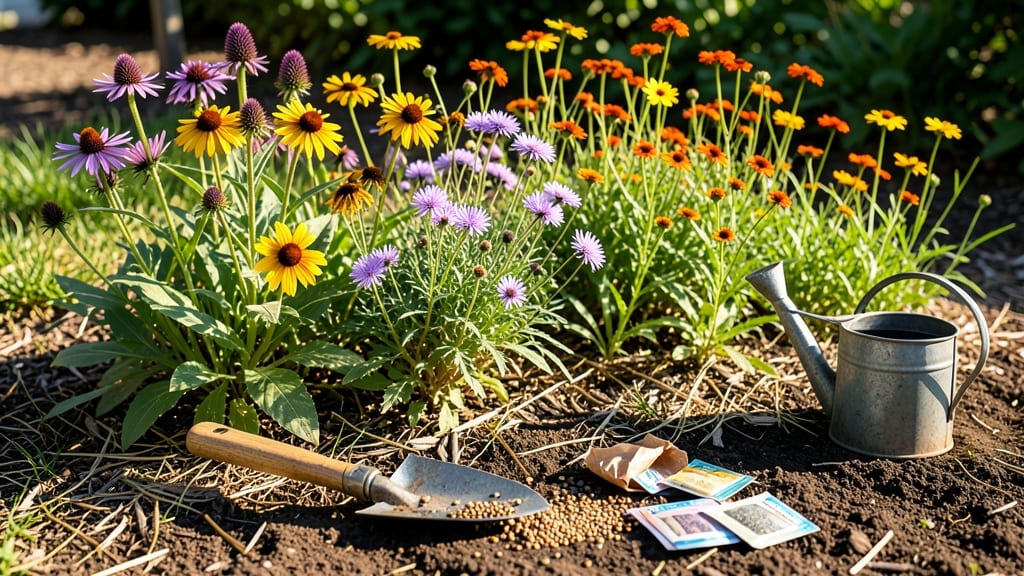
Planting wildflowers in Pennsylvania at the right time means the difference between a meadow bursting with color and a missed opportunity 🌼—aim for early spring or fall, when soil temperatures and moisture align perfectly for germination.
Pennsylvania’s diverse microclimates—from the humid Appalachian foothills to the drier Allegheny Plateau—can make wildflower planting timing feel like a guessing game. Plant at the wrong time, and your meadow could miss its peak bloom season entirely.
Most gardeners in USDA zones 5b-7a swear by early spring (March-April) or early fall (September-October) planting, but regional frost dates and rainfall patterns shift those windows by weeks. For example, the Southeast’s milder winters may allow February sowing, while the Northwest’s colder springs demand waiting until April.
Below, I’ll break down the exact months for your corner of the state, how to prep soil for 90%+ germination success, and the native species that thrive in PA’s seasonal shifts—so you can plan a meadow that blooms reliably year after year.
Pennsylvania wildflower planting calendar by region: exact months for best results
Pennsylvania's three distinct climate zones create unique planting windows for wildflowers. Whether you're in the humid Southeast, moderate Central region, or the cooler Northwest, timing matters for 90%+ germination success. Native species like black-eyed Susan and purple coneflower thrive when planted at the right time.
Spring planting in March-April gives seeds time to establish before summer heat, while fall planting in September-October takes advantage of cooler temperatures. The key is understanding your local frost dates and soil temperature patterns, which vary dramatically across the state.
For example, Philadelphia's Southeast sees last frosts around April 15, while Erie's Northwest can experience frost until May 10. These differences mean a 3-week planting window shift between regions, which can make or break your wildflower meadow.
| Region | Spring Planting Window | Fall Planting Window | Last Frost Date | First Frost Date | Key Species |
|---|---|---|---|---|---|
| Southeast (Zones 6b-7a) | March 15 - April 15 | September 15 - October 15 | April 1-15 | October 15-30 | Black-eyed Susan, Butterfly Weed, Coreopsis |
| Central (Zones 6a-6b) | March 20 - April 20 | September 10 - October 10 | April 10-25 | October 20-31 | Purple Coneflower, Wild Bergamot, Goldenrod |
| Northwest (Zones 5b-6a) | April 1 - April 30 | September 1 - September 30 | May 1-15 | October 5-20 | Wild Lupine, Showy Tick Trefoil, Aster |
In the Southeast region, where cities like Philadelphia and Reading dominate, wildflowers should hit the ground by March 15 to avoid summer drought stress. This area's warmer microclimate allows for earlier planting, but don't rush—soil temperatures below 50°F can delay germination.
Central Pennsylvania, including Harrisburg and State College, offers a 2-week buffer for planting. Aim for March 20-April 20 to align with soil warming trends. Native species like purple coneflower perform best when planted in this window, establishing deep roots before summer's intensity.
The Northwest's cooler climate, seen in Erie and Pittsburgh, demands patience. Wait until April 1 to plant, as earlier sowing risks late spring frosts. Fall planting here should wrap up by September 30 to ensure seeds germinate before winter sets in.
Regardless of region, soil preparation is critical. Loosen the top 6 inches of soil and mix in compost to improve drainage. Wildflowers thrive in well-draining soil, so avoid compacted areas where water pools. A light raking after planting helps seeds make contact with the soil.
For maximum bloom diversity, consider a two-phase planting approach: sow spring ephemerals in early spring and summer bloomers in early fall. This creates a continuous color display from May through October, supporting local pollinators year-round.
Always check your local weather trends before planting—unpredictable spring rains or drought conditions can shift ideal windows. Use resources like the Penn State Extension for region-specific advice tailored to your USDA hardiness zone.
With precise timing and regional awareness, your Pennsylvania wildflower meadow will reward you with vibrant blooms and ecological benefits for years to come. Start planning now to make the most of your 2025 growing season!
How Pennsylvania’s microclimates affect wildflower success: what to watch for
Pennsylvania’s microclimates create unique challenges for wildflower gardeners. While the state averages USDA zones 5b-7a, local variations—like urban heat islands or mountain valleys—can shift ideal planting windows by 2-4 weeks. Ignoring these factors might mean your spring-blooming wildflowers arrive too late or fall-planted seeds sprout in freezing temperatures.
Elevation plays a critical role: Mountain regions (like the Poconos) experience earlier frosts and cooler soils, while lowland areas (like Pittsburgh) stay warmer longer. Even within a single county, humidity levels can vary drastically, affecting seed germination rates.
For example, the Allegheny Plateau’s drier air requires deeper watering compared to the Delaware River Valley’s moisture-rich soils.
🌱 Urban gardens face additional challenges: Pavement and buildings trap heat, creating "microclimate deserts" where spring planting can happen 2 weeks earlier than rural areas. Meanwhile, shaded woodlands may need fall planting to avoid early-season drought stress.
⚠️ Critical Timing Alert for PA Wildflowers
Never plant wildflowers when soil temps are below 40°F or above 85°F. Use these microclimate rules:
- 🏔️ Mountains (Zones 5b-6a): Plant late April-early May (spring) or mid-Sept (fall)
- 🏙️ Cities (Zones 6b-7a): Plant March 15-April 15 (spring) or Sept 1-Oct 1 (fall)
- 🌿 Rural lowlands: Adjust 1-2 weeks later than city schedules
Pro tip: Check local frost dates via USDA’s Plant Hardiness Map and add 2 weeks for shaded sites.
To adapt your planting schedule, start by mapping your microclimate. Note your elevation, nearby water bodies, and urban density. For instance, Erie’s lakeshore stays 5°F warmer than inland areas, while Gettysburg’s limestone soils dry out faster.
Use a soil thermometer to confirm when temps hit 50°F—the sweet spot for spring germination.
Humidity also dictates seed prep: High-humidity zones (like Poconos) need less frequent watering after planting, while dry regions (like Southwest PA) may require mulch to retain moisture. Test your soil’s moisture retention by digging a 6-inch hole—if it drains within 30 minutes, amend with compost.
For urban heat islands, time your fall planting to align with cooler nighttime temps (aim for 60°F soil temps). In Philadelphia’s downtown, this often means late September instead of early October. Conversely, rural farms in Lancaster County can plant up to 3 weeks later due to cooler nights.
Finally, track local weather trends for 2-3 years to refine your schedule. For example, Pittsburgh’s spring rains often delay planting by 1-2 weeks, while Harrisburg’s dry summers may push fall planting to early October to avoid drought stress.
By leveraging these microclimate insights, you’ll maximize bloom time and seedling survival across Pennsylvania’s diverse landscapes. ☀️