
Flowers
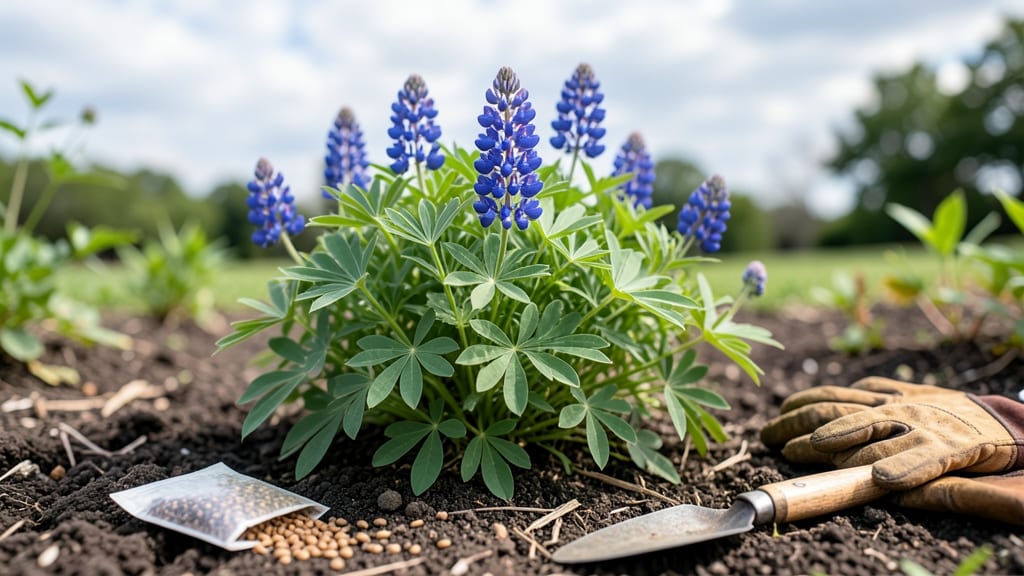
Planting wildflowers in Texas at the right time ensures vibrant blooms year-round 🌼 — and missing the window means waiting another year for that bluebonnet carpet you crave.
Texas wildflowers transform the landscape into a vibrant tapestry—but planting them at the wrong time can leave your garden bare. Timing is everything for year-round blooms, and Texas’ extreme climate demands precision.
Whether you’re in North Texas where frost lingers into February or South Texas where it barely dips below 40°F, the fall and spring windows are your golden opportunities.
Below, I’ll break down the exact months for each region, seed selection tips, and how to beat Texas heat to keep those flowers blooming.
Ready to skip the guesswork? You’ll learn how to prepare your soil, choose the right seeds for your zone, and care for them so they thrive—no matter where you live in the Lone Star State.
Best planting times for Texas wildflowers by season
Texas wildflowers thrive when planted at the right time, but fall and spring offer the best windows for success. The Lone Star State’s extreme climate—from North Texas’ freezing winters to South Texas’ scorching summers—means timing matters.
Plant too early or late, and your seeds may rot, sprout too late, or fail to establish before heat or cold sets in.
Most Texas wildflowers, like bluebonnets and Indian paintbrush, prefer cool-season germination. This means fall planting (September–October) gives seeds time to root before winter, while spring planting (February–March) aligns with natural rainfall patterns. But North vs. South Texas differences create micro-climates that shift these windows slightly.
Soil temperature is your best guide: aim for 60–70°F for ideal germination. In North Texas, this often means planting by October 15 for fall or waiting until mid-February for spring. In South Texas, where winters are milder, you can stretch fall planting until November 1.
Here’s a quick comparison of the best planting times by season and region:
For fall planting, focus on September–October to give seeds time to germinate before winter. In North Texas, aim to finish by October 15 to avoid early frosts, while South Texas gardeners can push planting until November 1.
The key is soil moisture—Texas’ unpredictable rains make fall a safer bet for consistent germination.
Spring planting (February–March) works best in North Texas, where last frost dates hover around February 15. In South Texas, where winters are milder, you can extend planting until April.
However, avoid planting in summer—seeds won’t survive the heat, and young seedlings will struggle without shade.
Pro tip: Use a soil thermometer to check temperatures before planting. If soil is above 75°F, wait—your seeds will dry out. For fall plantings, a light mulch layer (like straw) helps retain moisture and regulate soil temps.
For spring plantings, prioritize well-draining soil to prevent rot during Texas’ erratic spring rains.
Micro-climates matter! Hill Country areas may need earlier fall plantings due to cooler nights, while East Texas can handle later spring plantings thanks to longer growing seasons. Always check your local frost dates—the Texas A&M AgriLife Extension offers free frost maps tailored to your county.
Once planted, water deeply but infrequently—Texas wildflowers hate soggy soil. Aim for 1 inch of water per week during establishment, then taper off as roots grow. In South Texas, where droughts are common, staggered planting (spreading seeds over 2–3 weeks) ensures a longer bloom season.
Remember: patience is key. Some wildflowers, like bluebonnets, may take 2–3 years to reach their full bloom potential. But with the right timing, your Texas garden will burst into color year after year—no cooking required! 🌼
How to choose wildflower seeds for Texas’ unique zones
Texas’ diverse climate zones mean your wildflower selection should match your location. North Texas (Zones 7-8) thrives with bluebonnets and Indian paintbrush, while South Texas (Zones 8-10) shines with blackfoot daisies and Mexican hat.
Choosing the right seeds ensures vibrant blooms that match your region’s drought tolerance and seasonal patterns.
Drought tolerance is critical—Texas wildflowers must handle 100°F+ heat and irregular rainfall. Native species like coreopsis and wild bergamot require minimal water once established, while Texas bluebonnets need consistent moisture during germination. Always check seed packets for drought ratings (look for "drought-tolerant" labels).
Bloom duration varies wildly: annuals like cosmos offer 6-8 weeks of color, while perennials like Mexican feather grass bloom for 3-4 months with proper care. For year-round interest, mix spring bloomers (e.g., lupine) with fall favorites (e.g., goldenrod).
| Wildflower Type | Best For Zone | Drought Rating | Bloom Duration | Planting Window |
|---|---|---|---|---|
| Bluebonnets | North (7-8) | 8/10 | 4-6 weeks | Fall (Sept-Oct) |
| Blackfoot Daisy | South (8-10) | 9/10 | 8-10 weeks | Spring (Feb-Mar) |
| Mexican Hat | Southwest (9-10) | 7/10 | 6-8 weeks | Fall (Oct-Nov) |
| Coreopsis | All Zones | 9/10 | 10-12 weeks | Spring/Fall |
| Indian Paintbrush | North (6-8) | 6/10 | 3-5 weeks | Fall (Sept) |
For North Texas, prioritize cool-season wildflowers like bluebonnets and lupine, which germinate best in 50-60°F soil. In South Texas, opt for heat-loving annuals like zinnia or sunflower varieties that thrive in 90°F+ temperatures. Always test your soil’s pH level—most Texas wildflowers prefer 6.0-7.5.
Pro tip: Mix seed sizes for natural-looking meadows. Larger seeds (like sunflowers) need 1/4-inch deep planting, while tiny bluebonnet seeds should barely be covered. Use a seed mix with 3-5 varieties for continuous blooms—just avoid invasive species like Johnson grass.
Once planted, water deeply but infrequently to encourage deep roots. Most Texas wildflowers enter summer dormancy—resist the urge to water during 100°F+ heat. With the right seeds for your zone, you’ll enjoy low-maintenance color that attracts pollinators year-round. 🌻