
Propagation
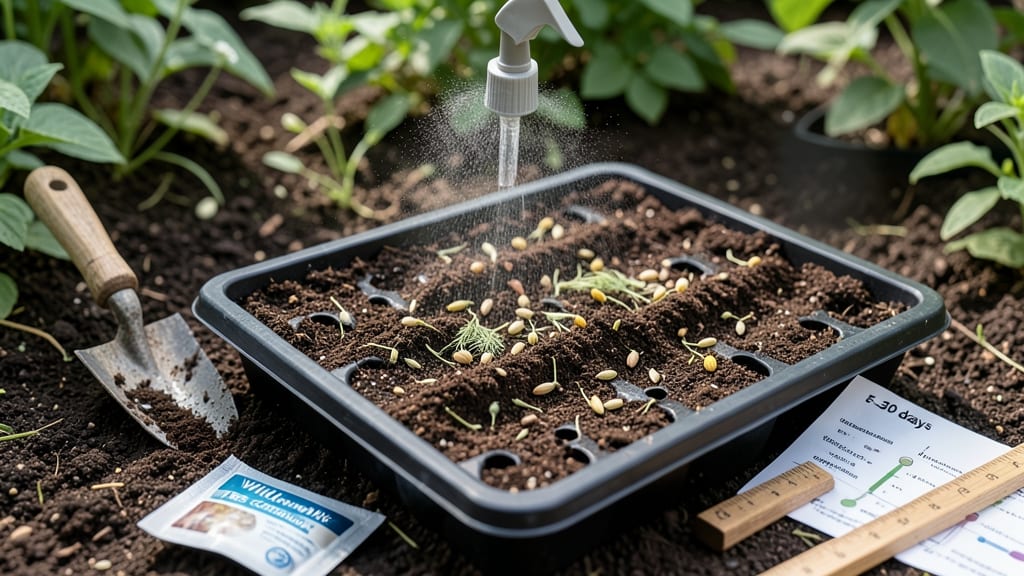
Wildflower germination time takes anywhere from 7 to 60 days to sprout 🌼, depending on whether you use cold stratification and the species—but most gardeners miss the trick that cuts that time in half.
Picture this: you’ve scattered your seeds in early spring, watered them faithfully, and waited… and waited. Weeks pass, and still, nothing. The problem? Many wildflower seeds need a cold period to break dormancy, and skipping this step turns a 2-week wait into a 6-week one.
I’ve seen cosmos pop up in 5 days after a proper stratification, while black-eyed Susans take 30—the difference is all in the prep.
This guide breaks down exactly how long each type of wildflower needs to sprout, which species require stratification, and the easiest methods to mimic winter’s chill—without waiting until fall.
Whether you’re planting in Zone 6 or a container, you’ll learn how to speed up germination by up to 70% and avoid the most common mistakes that leave your seeds sitting.
By the end, you’ll know the best time to sow for your region, how to prep your seedbed, and why some seeds won’t sprout until they’ve experienced a 60-day cold snap. No more guessing—just blooms in weeks, not months.
How long wildflower seeds typically take to germinate (with stratification)
Wildflower seeds vary wildly in germination time—some pop up in 7 days, while others need 6 weeks or more to break dormancy. The key difference? Annual wildflowers like cosmos and zinnias often sprout faster than perennial varieties such as black-eyed Susans or coneflowers.
Without proper cold stratification, many seeds simply won’t germinate at all, leaving you staring at empty soil for months.
Cold stratification mimics nature’s winter cycle, tricking seeds into thinking spring has arrived. For wildflowers, this process can cut germination time in half. Seeds from temperate climates (like those from the Midwest or Northeast) almost always require stratification, while tropical varieties may skip this step entirely.
Understanding these needs saves time and frustration—especially when you’re eager to see those first bright blooms.
🌱 Did You Know? Some wildflower seeds, like those of bluebonnets or lupines, need 60-90 days of cold, moist conditions to germinate. Skipping stratification might leave you waiting twice as long—or never seeing sprouts at all.
| Wildflower Type | Germination Time (Without Stratification) | Germination Time (With Stratification) | Stratification Needs | Best Planting Time |
|---|---|---|---|---|
| Annuals (Cosmos, Zinnias, Sunflowers) | 7–21 days | 5–14 days | None (or minimal) | Spring or Fall |
| Perennials (Coneflowers, Black-Eyed Susans) | 30–60 days | 14–30 days | 4–8 weeks cold, moist | Fall (for spring bloom) |
| Legumes (Lupines, Clover) | 60–90+ days | 21–45 days | 60–90 days cold | Late Fall |
| Grasses (Native Ornaments, Switchgrass) | 14–45 days | 7–21 days | 2–4 weeks cold | Spring or Fall |
| Tropical Wildflowers (Mexican Sunflower, Blanket Flower) | 7–14 days | 5–10 days | None | Spring |
Annual wildflowers like cosmos and zinnias are the fastest to germinate, often sprouting within 7–21 days if soil temps stay above 60°F. These cheerful bloomers don’t usually need stratification, making them perfect for beginners.
However, their short lifespan means you’ll need to replant yearly for continuous color. For a one-and-done garden, perennials like cone flowers or black-eyed Susans are worth the wait—they return year after year once established.
Perennial wildflowers, including echinacea and rudbeckia, typically require 4–8 weeks of cold stratification to break dormancy. Without this step, their germination time stretches to 30–60 days, and some seeds may never sprout.
The good news? Once they do, these hardy plants reward you with years of low-maintenance blooms and support for pollinators like bees and butterflies.
Legumes such as lupines and clovers are the most demanding, often needing 60–90 days of cold, moist conditions to germinate. Their slow start pays off with nitrogen-rich soil and striking foliage, but patience is key.
If you’re itching to see results, consider mixing these with faster annuals to create a multi-season display.
Soil temperature plays a huge role in germination speed. Most wildflower seeds need soil temps between
Cold stratification methods to speed up wildflower germination
Cold stratification mimics nature's winter conditions to break seed dormancy, helping wildflower seeds sprout faster. Many native varieties—like black-eyed Susans and coneflowers—require this process to germinate reliably. Without stratification, you might wait weeks or months longer for those first green shoots to appear.
The good news? You don’t need a greenhouse—just a little patience and the right technique.
There are three proven methods: the moist paper towel approach for quick indoor results, the fridge method for controlled conditions, and outdoor winter sowing for hands-off gardeners. Each works best for different seed types and timelines.
For example, annual wildflowers often need just 4-8 weeks of cold treatment, while perennials may require up to 3 months. Let’s break down each method step by step.
🌱 Step-by-Step Cold Stratification Guide
-
Step 1: Prepare Your Seeds
Place seeds in a sealed plastic bag with a damp paper towel (not soaking wet). Remove excess air to prevent mold.
-
Step 2: Choose Your Method
- Moist Paper Towel: Store bag in the fridge (34–40°F) for 2–8 weeks.
- Outdoor Winter Sowing: Plant seeds in pots with drainage and bury outdoors in fall.
-
Step 3: Monitor Conditions
Check seeds weekly for mold or drying. Adjust moisture as needed—towels should stay damp, not soggy.
-
Step 4: Test for Germination Readiness
After stratification, press seeds gently into moist potting mix at ½-inch depth. Place in warmth (70°F+) to encourage sprouting.
-
Step 5: Transplant Outdoors
Once seedlings have 2–3 true leaves, harden off for 7–10 days before moving to the garden.
⏰ Pro Tip: Label bags with seed types and start dates to track stratification progress!
For outdoor winter sowing, simply fill pots with soil, sow seeds, and bury them in your garden bed during late fall. Nature handles the cold treatment while you wait for spring.
This method is perfect for large seed batches like cosmos or sunflowers, which thrive with minimal fuss.
Timing is everything—start stratification 8–12 weeks before your last frost date. For example, if your last frost is April 15, begin in mid-February. This ensures seeds are ready to sprout as soon as soil temperatures rise.
Always test a few seeds first to confirm germination rates before committing to full batches.
Remember, patience pays off. While some seeds sprout in 7–14 days after stratification, others may take 3–4 weeks. Keep your growing mix consistently moist but not waterlogged, and soon you’ll see those first tiny wildflower shoots breaking through the soil—proof that cold stratification works its magic! 🌿