
Flowers
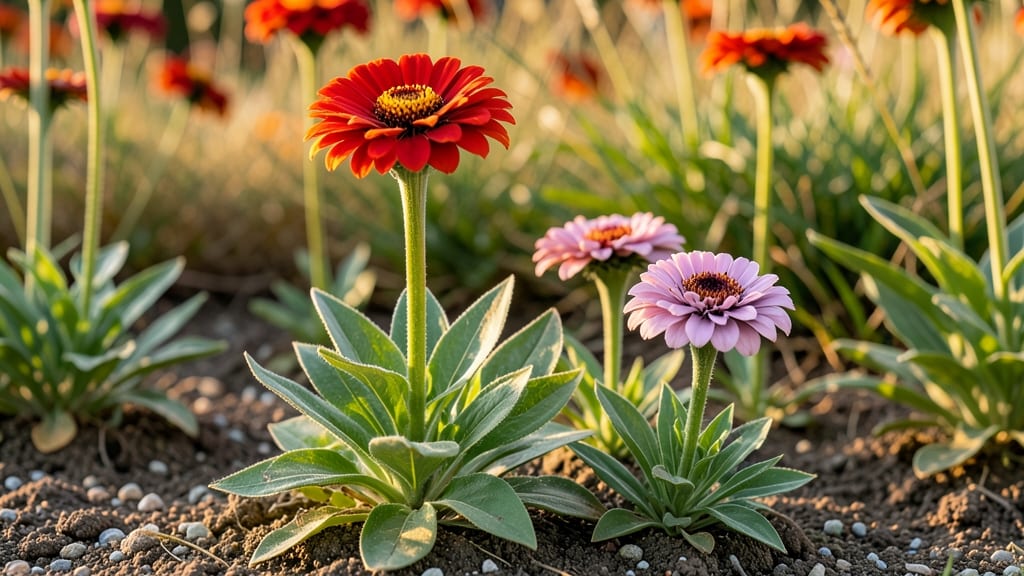
Zinnia flower height can transform your garden from a sea of green to a vibrant, eye-catching display—whether you want 6-inch tabletop accents or 4-foot floral giants.
Picture this: a dwarf zinnia 🌼 spilling over a container, its cheerful blooms at eye level, or a towering 'Benary’s Giant' reaching for the sky, creating a dramatic backdrop for your patio.
The right height makes all the difference, but choosing the wrong variety can leave you with floppy stems or wasted space.
Height isn’t just about aesthetics—it’s about function. A 1-foot zinnia thrives in tight borders or window boxes, while a 3-foot variety needs room to shine as a cut flower or pollinator magnet.
Sunlight, soil, and even pruning habits play a role in whether your zinnias hit their full potential—or stay stunted and sad.
In this guide, I’ll break down the key height ranges, how to pick the perfect variety for your space, and pro tips to coax your zinnias to their best possible height—no matter your garden’s size.

Zinnia flower height variations: dwarf to giant varieties compared
Zinnias offer an incredible range of heights, from compact dwarf varieties perfect for containers to giant bloomers that reach skyward. Understanding these height variations helps you choose the right variety for your garden layout, whether you need border accents or dramatic backdrops.
Each height category has unique growth habits, spacing needs, and ideal planting scenarios that directly impact their performance.
The most common zinnia height categories fall into three distinct groups: dwarf (6-12 inches), medium (1-2 feet), and tall/giant (2-4 feet). These categories aren't just about aesthetics—they also influence how much sunlight, water, and support your zinnias will need.
For example, taller varieties often require staking to prevent flopping, while dwarf types thrive in small spaces with minimal care.
Here’s how these height variations compare in terms of mature height, bloom size, and ideal planting scenarios. This visual guide will help you pick the perfect zinnia for your garden’s needs, whether you’re working with a container garden or a large backyard border.
| Height Category | Mature Height | Bloom Size | Spacing Needs | Ideal Planting Scenario | Support Needed |
|---|---|---|---|---|---|
| Dwarf | 6–12 inches | 2–3 inches | 6–12 inches apart | Containers, window boxes, rock gardens | None (self-supporting) |
| Medium | 1–2 feet | 3–4 inches | 12–18 inches apart | Borders, mixed beds, cut flower gardens | Optional (light staking for tallest) |
| Tall/Giant | 2–4 feet | 4–6 inches | 18–24 inches apart | Backdrops, focal points, cut flower arrangements | Required (stakes or cages) |
Dwarf zinnias, like 'Thumbelina' series or 'Crystal' hybrids, are ideal for small-space gardening. Their compact stature makes them perfect for container gardens, window boxes, or even indoor growing with sufficient sunlight.
These varieties typically bloom earlier than taller types, giving you quick color in spring and summer. However, their smaller bloom size means they’re best suited for close-up displays rather than bold statements.
Medium-height zinnias, such as 'Benary’s Giant Mix' or 'Profusion' series, strike a balance between space efficiency and visual impact. They’re versatile enough for border plantings, mixed flower beds, or even cut flower arrangements.
These varieties often produce larger blooms than dwarfs, making them a favorite for pollinator gardens and long-lasting cut flowers. With proper spacing and occasional staking, they thrive in almost any garden setting.
Tall and giant zinnias, including 'State Fair' series or 'Lincoln Giant', are the stars of dramatic backdrops and cut flower gardens. Their towering heights—often exceeding 3 feet—create stunning vertical interest in garden designs. However, these varieties require more space and support to prevent flopping. Plant them 18–24
How to choose zinnia height based on garden layout and use
When selecting zinnias, your garden’s layout should be your first guide. A 6-inch dwarf variety like 'Thumbelina' creates a lush, low border perfect for edging walkways or window boxes, while 3-foot giants like 'Benary’s Giant' demand space to shine as focal points.
The key is matching height to function—whether you need cut flowers, pollinator magnets, or container-friendly blooms.
For containers or small spaces, prioritize dwarf or semi-dwarf zinnias (6–24 inches). These thrive in pots, hanging baskets, or tight borders where taller varieties would flop. In contrast, tall zinnias (2–4 feet) belong in the back of beds, where they can reach their full potential without crowding neighbors.
🌼 Styled List: Zinnia Height by Garden Use
- 🌿 Borders & Edging: 6–12" (e.g., 'Crystal' or 'Lilliput') – Spacing: 6–8" apart
- 🪴 Containers & Pots: 12–18" (e.g., 'Profusion' series) – 1 plant per 6" pot
- 🌻 Cut Flowers: 24–36" (e.g., 'State Fair' or 'Magellan') – Stake for support
- 🐝 Pollinator Gardens: 18–36" (e.g., 'Zahara' or 'Double Click') – Plant in clusters
- 🏡 Backdrop Focal Points: 36–48" (e.g., 'Benary’s Giant') – Space 18" apart
Sunlight is non-negotiable for height. Zinnias need 6+ hours of full sun daily to reach their mature height. In partial shade, expect stunted growth—even tall varieties may max out at 2 feet.
If your garden has shady spots, opt for dwarf varieties or supplement with grow lights to encourage vertical growth.
Support matters for taller zinnias. Self-supporting varieties like 'Profusion' stay upright, but giant zinnias (3+ feet) often need stakes or cages to prevent flopping. Bury stakes at planting for stability, or use tomato cages for a low-maintenance solution.
Prune lower leaves to improve airflow and reduce disease risk in crowded plants.
Spacing is just as critical as height. Dwarf zinnias need 6–8 inches apart, while tall varieties require 12–18 inches to avoid competition. Overcrowding leads to leggy stems and fewer blooms—so plan spacing based on mature height.
For cut flowers, leave extra room (20+ inches) to harvest stems without disturbing neighboring plants.
Pro tip: Mix heights for texture. Pair 6-inch zinnias with 2-foot varieties in the same bed to create layers. In containers, combine a dwarf zinnia with trailing plants like sweet potato vine for a balanced, spill-over effect.
With the right height and placement, your zinnias will transform any space into a vibrant, functional masterpiece. 🌱