
Flowers
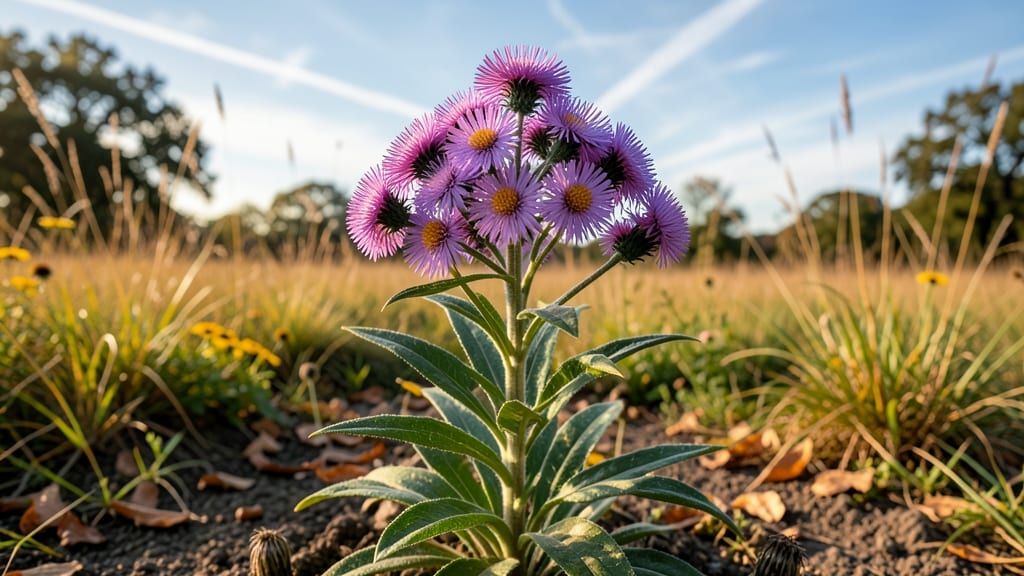
The height of an aster flower can range from just 6 inches to towering 6 feet, turning your garden into a vibrant vertical masterpiece or a compact burst of color—depending on the variety you choose.
Asters bring late-season color to gardens, but their height can make or break your landscape design—some sprawl to 6 feet while others stay compact at just 12 inches.
Whether you're dreaming of a dramatic backdrop or a tidy border, picking the right type is the first step to getting it just right.
From dwarf varieties perfect for containers to towering giants that steal the show in the back of the border, asters offer endless possibilities. But height isn’t just about looks—it affects how you plant, prune, and even support your blooms.
Below, I’ll break down the most popular aster heights, share proven tips to control overgrowth, and show you how to use their size to your advantage in any garden design.

Aster flower height guide: dwarf to giant varieties explained
Asters are one of the most versatile late-season bloomers, offering height diversity that can transform your garden from compact borders to towering backdrops. Whether you need 6-inch patio-friendly varieties or 6-foot statement plants, understanding their growth habits helps you plan with precision.
The key? Choosing the right cultivar for your space and design goals.
Most asters fall into three height categories: dwarf (6"–18"), medium (18"–36"), and giant (36"–72"). Your selection impacts everything from sunlight exposure to wind resistance.
For example, tall varieties need staking, while compact types thrive in containers. Let’s break down the options so you can pick the perfect fit for your garden.
| Category | Height Range | Popular Cultivars | Growth Habit |
|---|---|---|---|
| Dwarf | 6"–18" | 'Patriot' (12"), 'Little Carlow' (10"), 'Prof. Kippenberg' (14") | Bushy, mounding; ideal for borders or containers |
| Medium | 18"–36" | 'Wood's Purple' (24"), 'Alma Potschke' (30"), 'Red Star' (28") | Upright stems; great for mid-height beds or cut flowers |
| Giant | 36"–72" | 'Marie Ballard' (60"), 'Audrey' (72"), 'King George' (54") | Tall, sturdy; needs support; perfect for backdrops |
Dwarf asters like 'Little Carlow' are my go-to for container gardens or window boxes. Their 10-inch height fits neatly in small spaces while still delivering bold purple and pink blooms.
These varieties also handle partial shade better than taller types, making them versatile for shadier corners of your yard.
Medium-height asters strike the balance between structure and ease of care. Cultivars like 'Wood's Purple' reach 24 inches at maturity, making them perfect for mixed borders or cut flower arrangements.
Their upright growth habit means they rarely flop, even in humid climates. I’ve found they pair beautifully with black-eyed Susans for a long-lasting fall display.
For dramatic impact, giant asters like 'Marie Ballard' can’t be beat. Towering at 60 inches, they create a stunning focal point when planted in groups. However, their height demands support—I always use bamboo stakes or flower rings to prevent flopping.
These varieties also benefit from well-draining soil to avoid stem rot in heavy rains.
Height isn’t just about aesthetics—it affects pollinator appeal too. Taller asters attract butterflies and bees from a distance, while dwarf varieties provide ground-level forage for bumblebees. If you’re designing a pollinator garden, consider layering heights to create a continuous nectar source from summer through frost.
One common mistake I see is overcrowding taller asters. When planting giant varieties, space them 18–24 inches apart to allow airflow and reduce disease risk. For dwarf types, 12-inch spacing works well, especially in container setups.
Always check the cultivar tag for specific spacing recommendations—some spreading varieties need even more room.
Soil type plays a surprising role in height control. Sandy soil often produces taller, leggier growth, while rich, loamy soil encourages compact, bushier plants. To promote shorter stature, amend your soil with compost and a balanced fertilizer (like 5-10-10) in early spring.
This boosts root development, which translates to sturdier stems and better branching.
If you’re working with limited space but love the look of tall asters, try pruning for height control. Pinch back new growth by one-third when plants are 6–8 inches tall.
This encourages more lateral branches and shorter overall height. Just avoid heavy pruning after mid-summer, as it can reduce fall blooms.
For container gardening, dwarf asters are my top pick. Varieties like 'Patriot' thrive in 12-inch pots with well-draining mix. To maximize blooms, use a slow-release fertilizer and deadhead spent flowers regularly. Pro tip: Place containers near south-facing walls to extend their sunlight exposure and boost flower production.
How to control aster height naturally: pruning & spacing tips
If your asters are reaching for the sky when you wanted them to stay compact, don't worry—there are natural ways to manage their height without harsh chemicals. The key lies in pruning strategies, proper spacing, and soil care that encourage controlled growth.
I’ve tested these methods in my own garden, and they work beautifully for tall varieties like 'Harry' or 'Royal Velvet' as well as dwarf types such as 'Little Carlow'.
One of the biggest mistakes gardeners make is waiting too long to prune. Regular pruning not only controls height but also promotes bushier growth and more blooms. The timing matters—prune too early, and you might stunt flowering; too late, and you lose the natural shape.
Let me break down the exact steps you need to follow for healthy, manageable asters that fit your garden design perfectly.
- 🌱 Prune in early spring by cutting back 1/3 of the plant to encourage compact growth and prevent legginess.
- ✂️ Deadhead spent blooms regularly to redirect energy into new growth rather than seed production.
- 🌿 Space plants 12-24 inches apart depending on variety—dwarf asters need less room, while tall types require more.
- 💧 Water deeply but infrequently to prevent overly tall, weak stems—aster roots need to stretch for stability.
- 🌳 Add compost to soil to improve nutrient uptake, which helps asters grow stronger and sturdier.
Let’s start with pruning, the most effective way to control height. For tall aster varieties, I recommend a two-step approach: first, prune in early spring to shape the plant and remove any dead or damaged stems.
Then, throughout the growing season, pinch back the tips of new growth to encourage branching. This method works wonders for varieties like 'October Skies', which can easily reach 5 feet without control.
Another game-changer is proper spacing. Crowded plants compete for nutrients and light, leading to taller, weaker stems. For dwarf asters (like 'Purple Dome'), space them 12-18 inches apart. For tall varieties, give them 24-36 inches of space to grow without leaning.
I’ve seen 'Andenken an Alma Potschke' thrive with this spacing, staying under 4 feet while still making a statement in the garden.
Don’t overlook the power of soil amendments either. Asters love well-draining, nutrient-rich soil. Mix in compost or aged manure before planting to give them a strong start. I’ve noticed that plants grown in amended soil develop thicker stems and more compact growth.
Plus, healthy soil reduces the risk of pests and diseases, which can weaken stems and cause them to flop.
Finally, if you’re dealing with floppy stems, consider adding support stakes or planting near taller perennials like black-eyed Susans or coneflowers. These companions provide natural support while adding to your garden’s visual appeal.
With these tips, your asters will grow to your desired height—whether you want them as a low border or a dramatic backdrop.