
Succulent
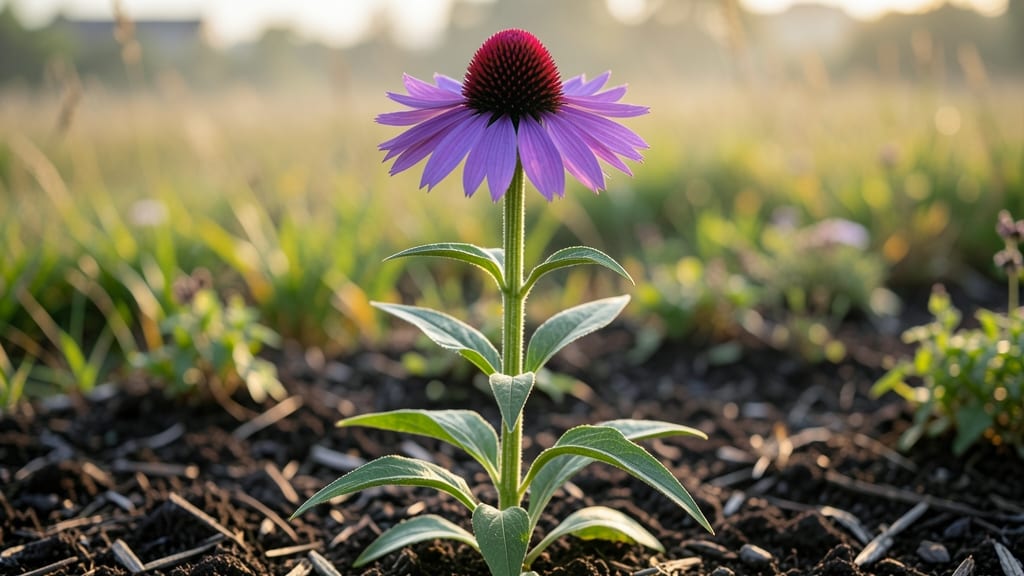
Growing a thriving blue coneflower echinacea 🌼 means unlocking bold purple blooms that last from summer into fall—and it’s easier than you think.
Struggling to keep your blue coneflower echinacea thriving with vibrant purple blooms? This hardy perennial isn’t just drought-resistant—it’s a magnet for pollinators and a showstopper in any garden when grown right.
With the right sunlight, soil, and a little seasonal care, you’ll have long-lasting blooms that outshine even the most colorful annuals. The key? Planting at the right time, giving it room to grow, and knowing when to step back and let nature do the work.
In this guide, I’ll walk you through everything from planting tips to pest prevention, so you can enjoy healthy, vibrant echinacea year after year without the guesswork.
Optimal growing conditions for blue coneflower echinacea’s stunning purple blooms
If you want vibrant purple blooms from your blue coneflower echinacea, you’re already on the right track—this plant thrives under the right conditions. The key to maximizing those showstopping flowers lies in three critical factors: sunlight exposure, soil quality, and watering consistency.
Each plays a unique role in ensuring your echinacea stays healthy, robust, and blooming from mid-summer to fall. Let’s break down what your blue coneflower truly needs to shine.
Echinacea is famously drought-tolerant, but that doesn’t mean it’s low-maintenance. In fact, it demands full sun exposure to produce its signature purple-pink daisy-like blooms. Without enough sunlight, stems may become floppy, and flowers may shrink or fail to open completely.
Meanwhile, the soil must be well-draining yet rich in organic matter to support root health and nutrient uptake. Even watering is crucial—too much can lead to root rot, while too little stresses the plant during blooming season.
Here’s the good news: once established, blue coneflower is low-fuss and adapts well to various climates. Whether you’re in a hot, dry region like Arizona or a cooler, humid zone like the Pacific Northwest, small adjustments can help your echinacea thrive.
For example, mulching in hot climates retains moisture, while well-composted soil improves drainage in wetter areas. Let’s dive into the specifics to set your echinacea up for success.
| Growing Condition | Ideal Specification | Regional Adaptations |
|---|---|---|
| Sunlight | 6-8+ hours of direct sunlight daily | Hot climates: Morning sun + afternoon shade; cooler regions: Full sun all day |
| Soil Type | Well-draining, slightly alkaline to neutral (pH 6.0-7.0) | Clay soil: Amend with compost; sandy soil: Add organic matter |
| Watering | 1-1.5 inches per week; deep watering at soil level | Drought areas: Mulch heavily; rainy zones: Ensure drainage |
| Fertilizer | Balanced 5-10-10 in spring and early summer | Poor soil: Add compost annually; rich soil: Minimal fertilizer needed |
| Spacing | 18-24 inches apart for optimal airflow | Wind-prone areas: Stake plants or plant in sheltered spots |
Let’s start with sunlight, the most critical factor for blue coneflower echinacea. This plant is a sun worshipper and requires at least 6 hours of direct sunlight daily.
In hotter climates, like the Southwest, providing afternoon shade can prevent leaf scorch while still allowing full morning sun. Conversely, in cooler regions, such as the Pacific Northwest, full sun exposure all day is ideal.
If your garden lacks direct sunlight, consider growing echinacea in containers near a south-facing window or on a sunny patio.
Next, focus on soil quality. Blue coneflower prefers well-draining soil with a slightly alkaline to neutral pH (6.0-7.0). If your soil is clay-heavy, amend it with compost or sand to improve drainage.
In sandy soils, adding organic matter like leaf mold or well-rotted manure helps retain moisture and nutrients. A quick soil test can reveal if your garden bed needs adjustments—lime can raise pH, while sulfur lowers it if needed.
Watering your blue coneflower echinacea might seem straightforward, but timing and technique matter. This plant is drought-tolerant once established, but deep, infrequent watering encourages strong root growth.
Aim for 1-1.5 inches of water per week, delivered directly at the soil level to avoid wetting the leaves, which can lead to fungal diseases. In hot, dry summers, mulching with wood chips or straw helps retain moisture and keeps roots cool.
Conversely, in humid or rainy climates, ensure your soil has excellent drainage to prevent root rot.
One common mistake gardeners make is over-fertilizing echinacea. While a light feeding with a balanced 5-10-10 fertilizer in spring and early summer promotes blooms, too much nitrogen can result in leafy growth at the expense of flowers. Instead, focus on organic amendments, like
Step-by-step planting and maintenance guide for echinacea success
Timing is everything when planting blue coneflower echinacea. Aim for early spring, right after your last frost date (typically mid-April in most regions), or opt for fall planting in USDA zones 5-8 for established roots before winter.
This hardy perennial thrives with minimal fuss, but getting the timing right ensures vibrant blooms from summer through fall.
Your echinacea will reward you with long-lasting flowers if you follow these key steps. The secret lies in proper spacing, pruning, and seasonal care—all designed to prevent common issues like flopping stems and leggy growth. Let’s break it down so your plants stay sturdy and showy.
- Step 1: Choose the right location with full sun exposure (6-8+ hours daily) and well-draining soil. Amend heavy clay with compost to improve aeration.
- Step 2: Plant 18-24 inches apart in clusters of 3-5 for a fuller look. Dig holes twice as wide as the root ball but only as deep.
- Step 3: Water deeply after planting to settle soil, then water at soil level (not overhead) to prevent fungal diseases. Aim for 1-2 inches of water weekly during dry spells.
- Step 4: Apply a 2-inch layer of mulch (straw or shredded bark) around plants to retain moisture and suppress weeds. Keep mulch 3 inches away from stems to prevent rot.
- Step 5: Prune spent blooms (deadheading) in early summer to encourage more flowers. Cut back 1/3 of stems in late fall or early spring to remove dead foliage and prevent pests.
- Step 6: Fertilize lightly in early spring with a balanced 5-10-10 fertilizer (1 tbsp per plant). Avoid high-nitrogen fertilizers, which promote leafy growth over blooms.
- Step 7: Divide mature plants every 3-4 years in early spring or fall to rejuvenate growth. Dig up clumps, separate roots, and replant sections to prevent overcrowding.
Seasonal care keeps your echinacea looking its best. In spring, remove old foliage and add compost to refresh the soil. During summer, watch for powdery mildew—a sign of too much humidity—by spacing plants properly and watering early in the day.
Fall is the perfect time to prune back stems to the ground (if you’re in a cold climate) or leave them for winter interest. In winter, mulch heavily to protect roots from freezing temperatures, especially in USDA zones 4 and below.
With these steps, your blue coneflower echinacea will reward you with bold, long-lasting blooms and minimal maintenance. The key is consistency—give it sun, space, and seasonal care, and it’ll thrive for years to come! 🌼