
Light Requirements
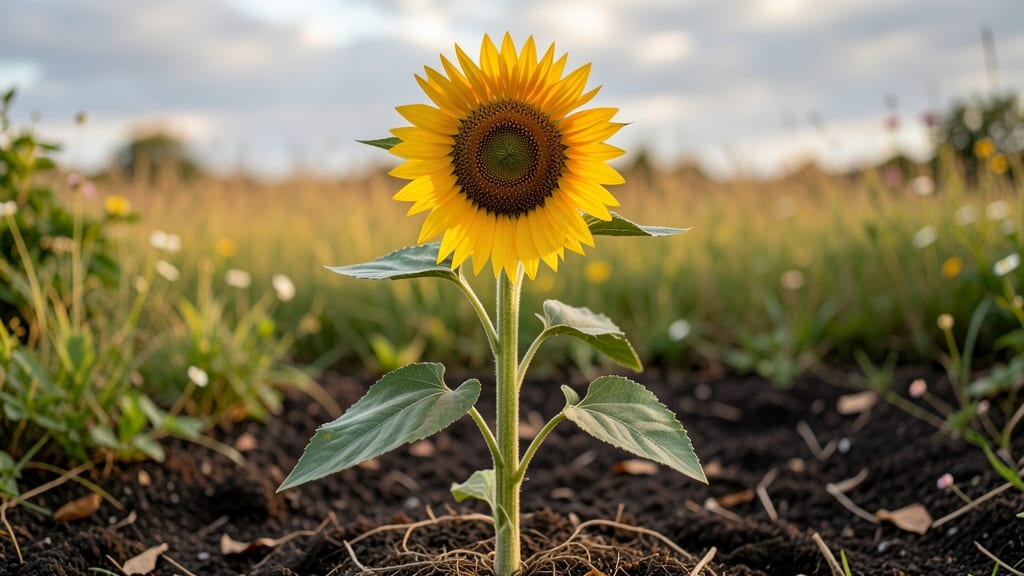
Sunflowers need direct sunlight to thrive, with 6 to 8+ hours daily being the golden rule for these towering beauties 🌻.
Picture this: your sunflower seedlings stretching painfully toward the sky, their stems weak and leggy, while nearby plants bask in full sun. That’s the classic sign of light deprivation, and it’s a problem you can easily avoid with the right placement.
Without enough direct sunlight, sunflowers won’t just stay small—they’ll produce fewer blooms, weaker stems, and even skip flowering entirely. Even partial shade can turn your dream harvest into a disappointment, but don’t worry: we’ll cover how to spot the signs and fix it fast.
From the tallest varieties that demand full sun to dwarf types that tolerate a little shade, I’ll break down exactly what your sunflowers need—and how to give it to them—so you end up with the bold, happy plants you planted for.

How much direct sunlight do sunflowers actually need?
Sunflowers thrive under the sun’s brightest rays, but their light requirements shift dramatically from seedling stage to full maturity. While they’re famously sun-loving, understanding the exact hours and intensity needed ensures your plants grow tall, strong, and vibrant—not leggy or weak.
Let’s break down the science behind sunflower sunlight needs, so you can position your plants for success.
The minimum sunlight for sunflowers is 6 hours of direct sun daily, but most varieties perform best with 8 to 10+ hours. This isn’t just about duration—it’s also about light intensity.
Sunflowers need full-spectrum sunlight, meaning they should bask in the sun’s highest UV rays during peak hours (10 AM to 4 PM). Without this, their growth slows, stems weaken, and blooms become sparse or fail to open.
Here’s the critical detail: seedlings need gentler light to avoid scorching, while mature plants crave maximum exposure. If you’re growing sunflowers in partial shade (like under tall trees or north-facing walls), their height and bloom size will suffer.
In these cases, consider dwarf varieties or supplement with grow lights for 4–6 hours daily.
Sunlight intensity matters just as much as duration. Sunflowers in high-altitude regions (like Denver or Albuquerque) need more direct sun because thinner air reduces UV exposure. Conversely, in humid climates (e.g., Florida or Louisiana), afternoon shade can prevent leaf scorch while still meeting their 6-hour minimum.
Always position sunflowers where they’ll receive unobstructed morning to midday sun.
If you’re growing sunflowers in containers or urban gardens, prioritize south-facing windows or balconies. A 12-inch pot limits root spread, so these plants need even more sunlight—aim for 10+ hours daily to compensate. Without enough light, container-grown sunflowers become top-heavy and prone to stem breakage.
Pro tip: Pay attention to your sunflower’s foliage color. Deep green leaves indicate optimal sunlight, while yellowing or pale leaves signal light deficiency. If your plants start stretching toward the sun with long, weak stems, they’re begging for more light.
At this stage, transplanting to a sunnier spot or adding a reflective surface (like white mulch) can redirect light and boost growth.
For regional adjustments, consider your USDA hardiness zone. In Zones 3–5, sunflowers can handle longer daylight hours (up to 16 hours in summer), while in Zones 8–10, afternoon shade may be necessary to prevent heat stress.
Always monitor your plants’ response and adjust their placement as the season progresses.
Remember, sunflowers aren’t just about pretty blooms—they’re also
What happens when sunflowers don’t get enough light?
When your sunflowers don’t get enough direct sunlight, they’ll start sending you clear distress signals that are easy to miss if you’re not looking. The first sign is usually leggy stems—those weak, stretched-out stalks reaching desperately toward any available light.
This happens because the plant stretches to compensate for the lack of sunlight, making stems thin and prone to snap under wind or rain.
Next, you’ll notice smaller, weaker blooms that may never fully open. Instead of the vibrant, cheerful faces you planted for, you might end up with tiny, underdeveloped flowers that fade quickly.
Even worse, some sunflowers may skip flowering entirely and focus only on growing leaves, leaving you with a lush but flowerless plant.
🌱 Yellowing leaves are another red flag. When sunflowers don’t get enough light, their lower leaves often turn pale or yellow, a sign of chlorosis—where the plant can’t produce enough chlorophyll. This weakens the entire plant and makes it more susceptible to pests and diseases.
Sunflowers are sun-worshippers—they thrive with 6+ hours of direct sunlight daily. Without it, you risk:
- Leggy stems that flop or break easily
- Fewer or no blooms—wasted effort!
- Weak seed production—smaller, fewer seeds
- Pale, weak growth—prone to pests
Fix it fast: Move plants to sunnier spots, use reflective surfaces (like white walls), or try grow lights for seedlings.
If you’re growing sunflowers for their seeds—like the classic Mammoth or Russian Giant varieties—light deprivation can halve your harvest. The seeds may stay small, underdeveloped, or even fail to form properly. For seed-saving purposes, this is a huge loss, as poor light = poor seed quality.
Don’t assume partial shade is harmless—even a few hours less sunlight can make a difference. If your sunflowers are in a shady spot, consider temporary fixes like mirrors or reflective mulch to bounce extra light onto the plants.
For long-term solutions, relocate your sunflowers to a sunnier area next season.
Even dwarf varieties like Teddy Bear or Sunspot need at least 4-6 hours of sun to thrive. Skimp on light, and you’ll end up with stunted growth and fewer flowers, even if they’re hardier.
The key is to match the variety to your light conditions—tall types need full sun, while dwarfs can tolerate slightly shadier spots.
🌿 The good news? Sunflowers are fast growers, so if you catch the problem early, you can often revive them with better light. Move them to a sunnier spot, prune leggy stems to encourage bushier growth, and watch them bounce back in just a few weeks!