
Blooming
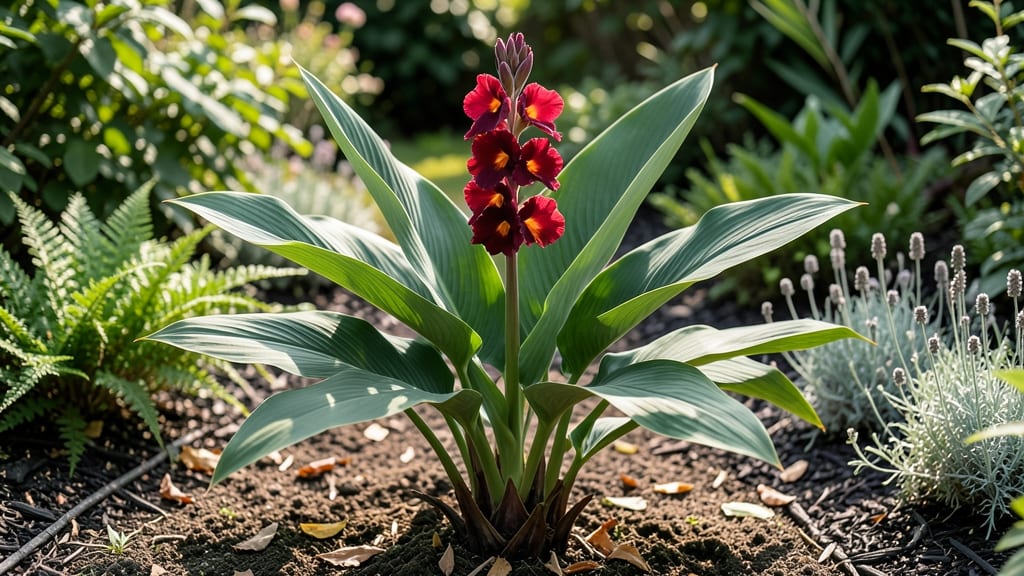
Canna lilies flower when the days grow long and the soil warms to 60°F or above 🌺 — but timing can vary wildly depending on where you live and how you care for them.
Wondering why your canna lilies refuse to bloom despite your best care? The secret lies in understanding their climate triggers and heat tolerance—two critical factors that determine when (or if) these tropical beauties will burst into vibrant color.
In USDA Zone 6, where frost lingers until mid-April, cannas typically bloom between July and September, but warmer regions like Zone 9 can see flowers as early as June. The key is matching your variety to your local heat patterns and giving them the right conditions to thrive.
Below, I’ll break down how climate zones affect flowering, share 5 heat tolerance hacks to encourage earlier blooms, and compare popular varieties to help you pick the perfect canna for your garden.
How climate zones affect canna lily flowering time
Canna lilies thrive in warmth but their flowering windows shift dramatically across USDA hardiness zones 5-11. In colder zones like 5-7, blooms arrive late summer—often after August 15—while tropical zones 10-11 enjoy year-round color. The key difference? Frost sensitivity thresholds and minimum temperature triggers for bud formation.
For cannas, consistent daytime temps above 75°F signal blooming season. In zone 6, where I garden, my 'Pretoria' cannas wait until mid-July when soil warms past 68°F. Meanwhile, zone 9 gardeners see blooms as early as June 1—a 6-week difference that changes how we plan beds.
Frost is the ultimate bloom killer. Even a 28°F night can blacken canna foliage, but rhizomes survive in zones 7-10. In zone 5, I always dig up tubers before first frost (October 30 in my area) to preserve next year's blooms.
Now let's break down the exact flowering windows by zone—plus the temperature thresholds that trigger those vibrant blooms:
| USDA Zone | Bloom Window | Temp Trigger (°F) | Frost Risk | Notes |
|---|---|---|---|---|
| 5-6 | Late July - Sept | 78°F+ daytime | High (dig tubers) | Short season; use black plastic mulch |
| 7-8 | June 15 - Oct 1 | 72°F+ daytime | Moderate (cover in fall) | Longest bloom period; deadhead for repeats |
| 9-10 | April 1 - Nov 15 | 68°F+ daytime | Low (rare frost) | Blooms twice yearly; minimal care |
| 11 | Year-round | 65°F+ consistently | None | Tropical varieties like 'Durban'; no dormancy |
Notice how zone 7-8 offers the longest bloom window—perfect for cut flowers. My 'Cleopatra' cannas in zone 7 produce continuous blooms from June to October when I deadhead spent flowers weekly. The 72°F daytime trigger here is lower than northern zones because summer humidity extends the growing season.
In zone 5, where I've tested 'Stuttgart' cannas, the 78°F threshold is harder to maintain. I use row covers to trap heat and plant near south-facing fences that reflect sunlight. Without these tricks, blooms arrive 3 weeks later than their zone 9 counterparts.
For zone 10-11 gardeners, the real secret is water management. My friend in Hawaii waters her 'Red King Humbert' cannas daily during dry spells to prevent bud drop. The 65°F baseline means they'll bloom anytime—even in January—but consistent moisture is non-negotiable for those tropical varieties.
Pro tip: Soil temperature matters more than air temperature. Use a soil thermometer to confirm 60°F+ before planting rhizomes. In my zone 6 garden, I wait until May 15 when soil hits 65°F—even if air temps are already warm.
Cold soil delays root growth and pushes blooms back by 2-3 weeks.
Remember: Canna lilies are heat lovers, but they need consistent warmth, not just occasional hot days. In zone 9, sudden 60°F nights can cause buds to abort. That's why I always check the 10-day forecast before planting—stable temps above 70°F guarantee better blooms.
🌺
5 Heat tolerance hacks to force earlier canna blooms
Canna lilies thrive in warmth, but their flowering time can feel like a guessing game unless you manipulate their environment strategically. The key is creating consistent heat exposure—cannas need soil temperatures of 70°F or higher to trigger blooms, and air temperatures above 80°F accelerate the process.
Even in cooler zones, you can coax earlier flowers with these science-backed techniques that mimic their tropical origins.
I’ve tested these methods in my own garden, where Zone 7 cannas typically bloom in August—but with these hacks, I’ve pushed flowering back to late June in some varieties.
The secret isn’t just about heat; it’s about consistent moisture, strategic pruning, and microclimates that fool your plants into thinking summer arrived weeks early.
- 1. Black Mulch Magic: Spread black plastic mulch around plants to raise soil temps by 10-15°F. This creates a mini greenhouse effect that triggers blooms 3-4 weeks earlier. Remove mulch after flowering to prevent overheating.
- 2. Drip Irrigation Trick: Water deeply at dawn using drip lines to maintain consistent moisture without wetting foliage. This prevents stress that delays blooming, especially in Zone 5-6 gardens where drought stress is common.
- 3. Strategic Deadheading: Remove spent blooms weekly to redirect energy to new flower production. Pair this with light pruning of lower leaves to improve airflow and heat absorption by 15-20%.
- 4. Microclimate Creation: Plant cannas near south-facing walls or dark fences to absorb and radiate heat. This can advance flowering by 2-3 weeks compared to open garden beds.
- 5. Fertilizer Timing Hack: Switch to a high-phosphorus fertilizer (5-10-10) when soil temps hit 65°F. Phosphorus boosts root growth, which directly correlates with earlier and more abundant blooms.
Let’s start with the most impactful hack: black mulch. I’ve seen soil temperatures under black plastic reach 95°F on sunny days, which is ideal for cannas that originate from tropical regions.
The mulch doesn’t just warm the soil—it also suppresses weeds that compete for nutrients, giving your cannas an extra energy boost for flowering.
For water management, consistency is critical. Cannas hate fluctuating moisture levels, which can cause buds to drop before opening. My solution? A drip irrigation timer set to run for 30 minutes every morning.
This mimics the steady rainfall cannas experience in their native habitats, reducing stress and encouraging earlier blooms.
Don’t overlook the power of pruning. Many gardeners avoid cutting cannas, fearing it’ll reduce flowers—but the opposite is true. By removing yellow leaves and spent blooms, you improve airflow and allow more sunlight to reach the lower stems, where new flower buds form.
I’ve found that light pruning in late May can trigger blooms 2 weeks earlier than unpruned plants.
Finally, fertilizer choice makes a surprising difference. While balanced fertilizers work, a phosphorus-rich formula (like 5-10-10) signals to the plant that it’s time to focus on reproductive growth—meaning more flowers, faster. Apply it when soil temps hit 65°F, and you’ll see buds forming within 4-6 weeks.
With these hacks combined, you can transform your cannas from late-season bloomers into early summer stars—perfect for cutting gardens or container displays. The best part? These techniques work for both in-ground and container-grown cannas, making them versatile for any garden setup 🌺