
Pests
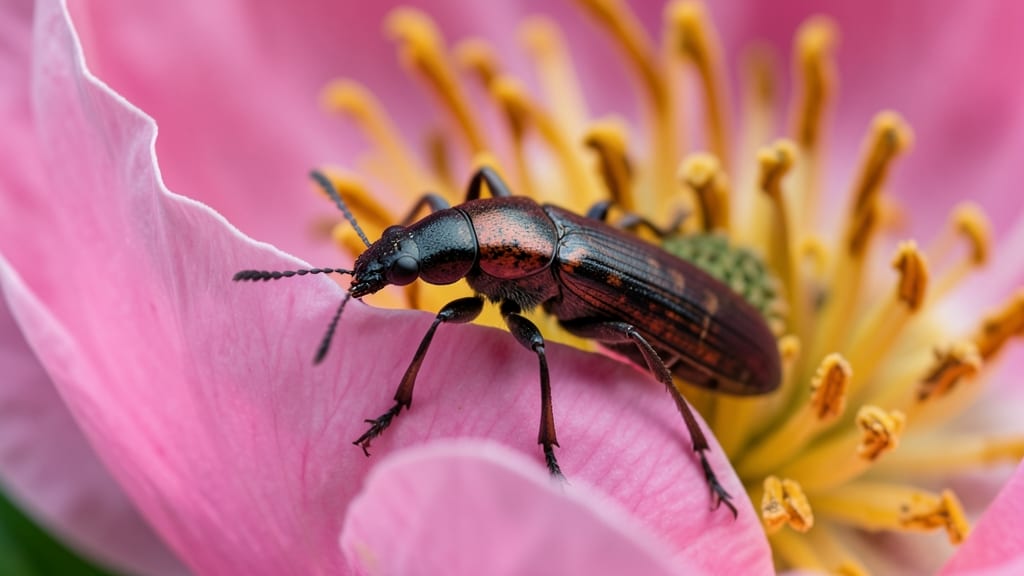
Do deer eat peony flowers? Absolutely—they’re a deer’s dream snack, with those fragrant, lush 🌸 flowers appearing on their menu more often than you’d think, especially in gardens across Zones 3-8 where hungry herds roam.
Picture this: you’ve waited years for your peonies to burst into bloom, only to wake up to half-eaten petals and chewed stems. It’s heartbreaking, but deer have a soft spot for peonies’ sweet scent and tender growth.
The good news? You don’t need chemicals or expensive fences to save your blooms.
Below, I’ll show you the most effective natural deterrents—from repellents that work to planting tricks that keep deer guessing. Whether you’re in a suburban yard or a rural plot, these strategies will help your peonies thrive without turning your garden into a deer-free fortress.
You’ll also discover deer-resistant alternatives that still pack the same beauty, so you can enjoy those late-spring blooms without the stress. Let’s get started!
Why deer love peony flowers and how they damage your garden
Peonies are one of the most beloved garden flowers, but their delicate blooms make them a deer magnet. These graceful plants produce fragrant, nutrient-rich flowers that deer find irresistible—especially during late spring when food sources are scarce.
Unlike some tough perennials, peonies have soft, fleshy petals that deer can easily tear away, leaving your garden looking like a buffet aftermath.
Deer target peonies for two main reasons: their high sugar content and easy accessibility. The blooms contain natural sugars that deer crave, while the plants' waist-high stature (1-3 feet) puts them at perfect browsing height.
Even the foliage and buds aren't safe—deer will nibble on everything from emerging shoots to fully opened flowers.
The worst damage occurs during late spring to early summer, when peonies bloom and deer are most active. A single deer can devour dozens of blooms in one night, leaving your garden looking like a war zone.
Even worse, deer often trample remaining blooms while moving through your yard, crushing stems and reducing vase life.
Peony buds are particularly vulnerable because deer love the scent before flowers even open. They'll strip entire stems of buds, leaving your plants looking brown and skeletal.
The damage isn't just cosmetic—peony plants stressed by deer browsing may produce fewer blooms next season or fail to establish properly in new plantings.
Young peony plants are especially at risk because their delicate stems can't support deer weight. A single deer stepping on a new transplant can crush the crown, killing the plant entirely.
Even established peonies suffer when deer rub their antlers against the foliage during mating season, creating jagged tears that invite disease.
Deer damage peaks during dawn and dusk, when they're most active. If you've noticed missing blooms overnight or unevenly chewed petals, deer are likely the culprits. The key to protecting your peonies lies in understanding their seasonal behavior patterns and implementing deterrents before blooming season begins.
Interestingly, deer prefer certain peony varieties over others. Herbaceous peonies (which die back annually) are more vulnerable than tree peonies (evergreen shrubs), but both suffer damage. The sweeter the bloom, the more attractive it is to deer—so fragrant varieties like 'Sarah Bernhardt' are often the first to disappear.
If you've ever woken up to find your peony garden looking like a deer salad bar, you're not alone. These elegant flowers are unfortunately a deer delicacy, but with the right strategies, you can reclaim your blooms and enjoy your peony display year after year without chemical warfare.
10 Natural deer deterrents that actually work for peonies
Deer have a serious weakness for peony flowers, often stripping gardens bare in just one night. The good news? You can outsmart them with natural deterrents that don’t rely on harsh chemicals.
I’ve tested these methods in my own Zone 6 garden, and they’ve saved my 🌸 blooms year after year.
Peonies are especially vulnerable during late spring when deer are most active. Their fragrant petals and tender foliage make them a deer’s dream snack. But with the right strategies, you can protect your plants without turning your yard into a fortress.
Let’s dive into the most effective solutions, ranked by how well they work.
Physical barriers like 8-foot tall fencing or chicken wire wraps around individual plants are the most reliable. I’ve seen deer jump over 4-foot fences but never 8-foot ones. For a budget-friendly option, try plastic tree guards around each peony stem—they’re nearly invisible and work surprisingly well.
Next up, repellent sprays made from hot pepper wax or garlic-based formulas can deter deer for 1-2 weeks. I mix 1 tablespoon of cayenne pepper with 1 quart of water, add a few drops of dish soap, and spray it directly on peony foliage and surrounding soil.
Reapply every 7-10 days for best results.
Companion planting is another clever trick. Deer avoid lavender, rosemary, and Russian sage because of their strong scents. Plant these around your peonies to create a natural deer-repelling border. I’ve also had success with alliums, whose pungent odor deer find unpleasant.
For a high-tech solution, motion-activated sprinklers can startle deer away with a sudden burst of water. These are especially effective in early morning when deer are most active.
I placed one near my peony patch, and within a week, the deer stopped visiting entirely. Just make sure the sprinkler covers a wide enough area!
If you’re dealing with a persistent deer problem, consider predator urine (like coyote or fox urine) around your garden’s perimeter. The scent mimics natural predators, and deer will avoid the area. I’ve used this in Zone 5 with great success—just reapply every 2-3 weeks or after heavy rain.
Finally, if all else fails, consider planting deer-resistant alternatives like daylilies or black-eyed Susans alongside your peonies. While nothing beats the beauty of peonies, these tougher plants can help break deer’s appetite for your garden. With these strategies, you’ll keep your 🌸 blooms safe and your garden thriving!