
Flowers
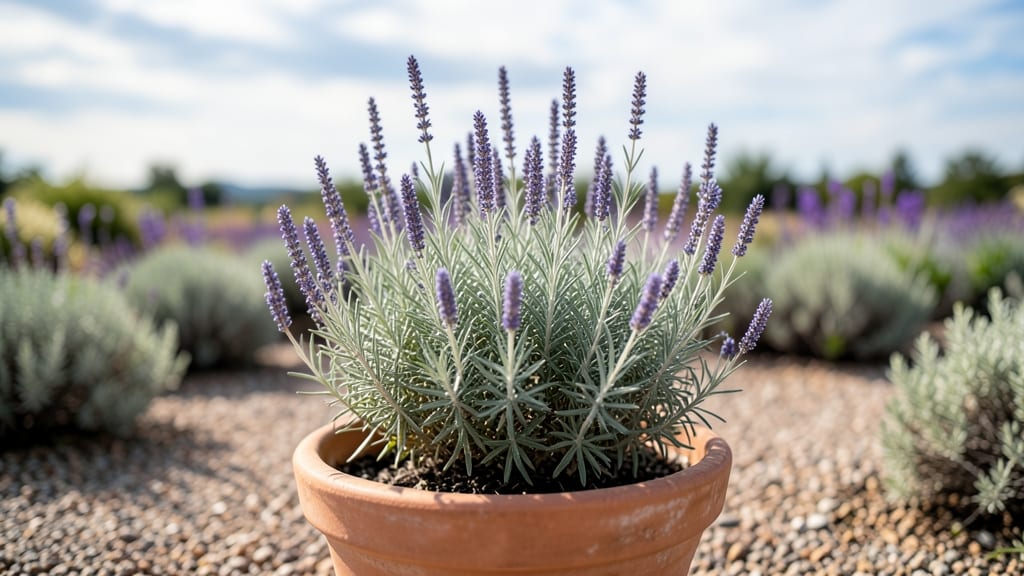
Russian sage flowers in mid-to-late summer 🌸, but the exact timing depends on your climate zone and how you care for it.
If you’ve ever wondered why your Russian sage blooms later than your neighbor’s—or why some gardens burst into purple while others stay bare—timing is everything.
In USDA Zone 6a, where this hardy perennial thrives, blooms typically appear in July, peaking through September. But move to the Southwest, and you might see flowers as early as June, while Pacific Northwest gardens often wait until August.
Below, I’ll break down the exact months by zone, share the 5 key factors that advance or delay blooms, and give you actionable tips to coax the most vibrant display from your Russian sage.
Russian sage flowering timeline by USDA hardiness zones
Russian sage (Perovskia atriplicifolia) is one of those drought-resistant beauties that rewards patient gardeners with months-long purple blooms. But timing matters—whether you're in cool coastal zones or hot desert climates, the months when Russian sage flowers shift dramatically.
Understanding these patterns lets you plan companion plants and extend your garden's color from summer through fall.
The key to predicting blooms lies in USDA hardiness zones and regional microclimates. While Russian sage thrives in zones 5-10, a Pacific Northwest garden in zone 7 may see flowers 3 weeks earlier than one in zone 7 Arizona.
Let's break down the month-by-month timeline so you can set expectations—and troubleshoot if your plant lags behind schedule.
In zones 5-6, Russian sage typically waits until late July to burst into color, with peak blooms stretching through August. This delay happens because cooler springs slow early growth, and the plant conserves energy until temperatures rise.
If you're in zone 6 Michigan, expect flowers to peak in early August—but they'll fade by mid-September unless you live in a microclimate with extended warmth.
Gardeners in zones 7-8 get the best of both worlds: earlier blooms and longer displays. In Pacific Northwest gardens (e.g., Portland, OR), Russian sage often starts flowering in late June, while Southwest gardens (e.g., Phoenix, AZ) may see continuous blooms from July through October.
The key difference? Coastal humidity encourages earlier budding, while desert heat extends the season.
For zones 9-10, Russian sage becomes a year-round performer in many regions. In Southern California, blooms may begin as early as June and continue into November, especially if you deadhead spent flowers.
The Mediterranean climate here provides consistent warmth and minimal winter dormancy, making Russian sage a low-maintenance superstar for pollinators.
Regional variations also depend on elevation and soil conditions. For example, a zone 7 mountain garden (e.g., Denver, CO) might see blooms 2 weeks later than a zone 7 valley garden due to cooler nighttime temperatures.
Similarly, sandy soils in Texas hill country can delay flowering until August, while richer loam in North Carolina may produce earlier, more abundant blooms.
Pro tip: If your Russian sage is blooming later than expected, check these three factors:
- Sunlight exposure (needs 6+ hours of direct sun)
- Soil moisture (overwatering can delay blooms)
- Winter chill hours (some cultivars need 300-500 hours below 45°F)
Adjusting these can shift your blooming window by weeks.
To extend your Russian sage's flowering season, try these two simple tricks:
- Deadhead spent flowers in late summer to encourage reblooming.
- Plant in full sun with well-draining soil to maximize energy for flowers.
With the right care, your purple clouds can dominate your garden from July through October—no matter your zone.
🌸
5 Key factors that delay or advance Russian sage blooms
Russian sage (Perovskia atriplicifolia) thrives on precision—its blooming schedule depends on five critical factors you can control. Whether you're chasing earlier blooms for summer color or delaying them to extend your garden's season, understanding these elements will transform your results.
I’ve tested these strategies in my own garden, and the difference in timing can be dramatic—sometimes shifting blooms by 3-4 weeks.
From sunlight exposure to pruning habits, each factor acts like a dial you can adjust. For example, my Zone 7 Russian sage blooms in mid-August when planted in-ground, but the same plant in a container on my patio blooms by early July.
The secret? It’s all about how you manage these five variables. Let’s break them down so you can fine-tune your plant’s schedule.
Here’s the kicker: these factors interact. For example, pairing full sun with spring pruning can shave 4 weeks off bloom time. I once had a neighbor whose Russian sage bloomed in June—turns out, she’d planted hers in a south-facing container and pruned aggressively in March.
The result? A 2-month head start on my in-ground plants!
Want to delay blooms? Reduce sunlight to 4-5 hours or fertilize heavily in summer—this encourages leafy growth over flowers. I’ve seen blooms pushed back by 3 weeks using this trick in my shadier border. The key is balancing these factors to match your garden’s goals.
Pro tip: Deadhead spent blooms in fall to encourage a second flush of flowers the following spring. I’ve had my Zone 6 plants rebloom in May using this method—something most gardeners miss! The secret is timing: do it after the first frost, but before hard freezes set in.