
Light Requirements
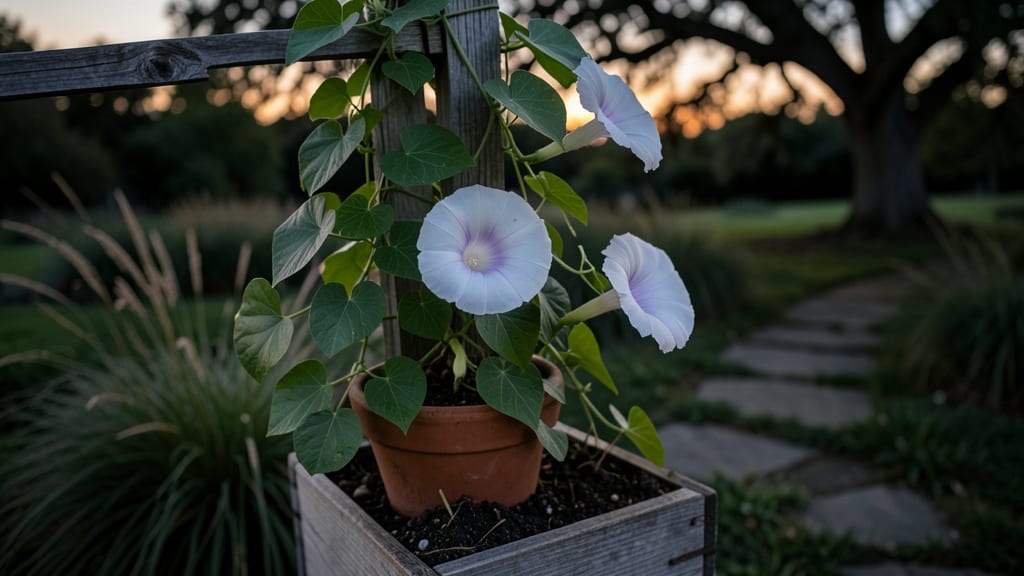
Moonflowers need full sun but handle it differently than most plants—too much direct light can actually scorch their delicate leaves 🌙.
Picture this: you’ve spent weeks nurturing your moonflower vines, only for them to wilt under the midday sun. That’s because while they love bright conditions, they prefer filtered light or partial shade to prevent damage.
In this guide, I’ll break down exactly how much sunlight moonflowers need, how to adjust for your climate, and the subtle signs that your plants are getting too much—or too little—sun.
You’ll also discover how to create the perfect balance for vibrant nighttime blooms and avoid common mistakes that keep moonflowers from thriving.

Moonflower sun requirements: how much light do they really need?
Moonflowers (Ipomoea alba) are famous for their magical nighttime blooms, but their sunlight needs often confuse gardeners. While they love light, they’re not true full-sun plants like tomatoes or sunflowers.
In fact, their native tropical habitats receive bright, filtered sunlight—think dappled shade under forest canopies. This means they thrive in partial sun conditions, where they get morning light and afternoon shade.
The key is understanding their light tolerance range. Moonflowers need at least 4-6 hours of direct sunlight daily, but they can suffer from leaf scorch or stunted growth if exposed to harsh afternoon sun for more than 4-5 hours.
Their delicate leaves are prone to drying out, which is why they prefer gentler, indirect light during peak heat hours.
Here’s the paradox: moonflowers require sunlight to bloom at night, but too much direct sun during the day can prevent those blooms. Their flowers open in response to decreasing light levels, so they need a balance—enough sun to fuel growth but protection from midday intensity.
This is especially true in hot, dry climates where UV exposure can damage their vines.
Native growing conditions provide clues. In their tropical origins, moonflowers grow under partial shade from taller trees, receiving bright light without the harshest rays. Mimicking this environment in your garden is the secret to healthy vines and abundant nighttime flowers. If you live in a region with intense summer sun, think of moonflowers as sun-loving shade plants rather than full-sun thrillers.
| Sunlight Requirement | Ideal Conditions | Signs of Stress |
|---|---|---|
| Minimum Daily Sun | 4-6 hours of direct sunlight | Yellowing leaves, slow growth |
| Maximum Direct Sun | 4-5 hours (morning sun preferred) | Brown leaf edges, leaf scorch |
| Afternoon Shade | Partial shade (30-50% filter) after 1 PM | Wilting, fewer night blooms |
| Full Sun Tolerance | Only in cooler climates (Zones 8+) | Stunted growth, no flowers |
| Best Light Balance | Morning sun + afternoon shade | Healthy vines, abundant blooms |
Identifying too much sun is easier than you think. Watch for crispy leaf edges or bleached spots on the foliage—these are classic signs of sunburn. If your moonflower’s leaves look like they’ve been kissed by a heatwave, it’s time to provide afternoon shade.
A simple solution is to place a lightweight shade cloth (30-50%) over the vines during peak sun hours or position them near a tall trellis or fence that casts natural shade.
On the flip side, too little light causes moonflowers to become leggy and weak, with sparse foliage and almost no blooms. If your plant is stretching toward the sky like it’s reaching for a lightbulb, it’s begging for more brightness.
Move it to a sunnier spot or supplement with a grow light for 4-6 hours daily. Just remember: even in low light, moonflowers need some direct sun to trigger their nighttime flowering cycle.
Climate plays a huge role in their sun tolerance. In hot, arid regions (like the Southwest U.S.), moonflowers thrive with only morning sun and afternoon shade. In cooler, maritime climates (like the Pacific Northwest), they can handle more full sun because the air is less drying.
Always observe your plant’s behavior: if it’s wilting by noon, it’s getting too much sun; if it’s flopping over, it needs more support and light.
Pro tip: Rotate your moonflower’s trellis every few days to ensure even light exposure. This prevents one side from getting too much direct sun while the other remains in shade. A well-balanced vine will grow stronger and produce more blooms.
Pair this with consistent watering (they hate dry soil) and well-draining soil, and you’ll have a moonflower that’s the star of your night garden.
Don’t let their name fool you—moonflowers aren’t just for moonlight. They’re sun-worshippers with shade preferences, and getting their light balance right is the key to vibrant, fragrant blooms that open every evening. Experiment with their placement, and soon you’ll have a moonflower that’s as resilient as it is magical.
How to provide perfect sunlight for moonflowers: partial shade solutions
Moonflowers (Ipomoea alba) love bright light but can’t handle the harsh midday sun that most sun-loving plants tolerate. The key is creating partial shade—enough light for energy production but with protection from intense rays.
Think of it like giving them a sun hat and sunglasses while still letting them soak up the warmth.
In hot climates like USDA Zones 8-10, moonflowers often need afternoon shade to prevent leaf scorch. Meanwhile, in cooler zones (6-7), they can handle more direct sun as long as it’s not the peak afternoon heat.
The goal is to mimic their native tropical understory habitats where they grow beneath taller trees.
For container gardening, I recommend using self-watering pots with a light-colored finish to reflect excess heat. Place them near a south-facing wall but ensure the wall itself isn’t absorbing and radiating too much heat back onto the plants.
If your moonflowers aren’t blooming, it’s often due to inconsistent sunlight. These vines need a steady 6+ hours of light daily, but the quality matters just as much as the quantity.
For example, dappled shade from a tree canopy works better than dense shade from a building, which blocks too much light entirely.
Pro tip: Train your moonflowers to climb a trellis or arbor positioned to receive morning sun and afternoon shade. This not only protects the leaves but also encourages longer, healthier vines and more abundant nighttime blooms. 🌙