
Aphids
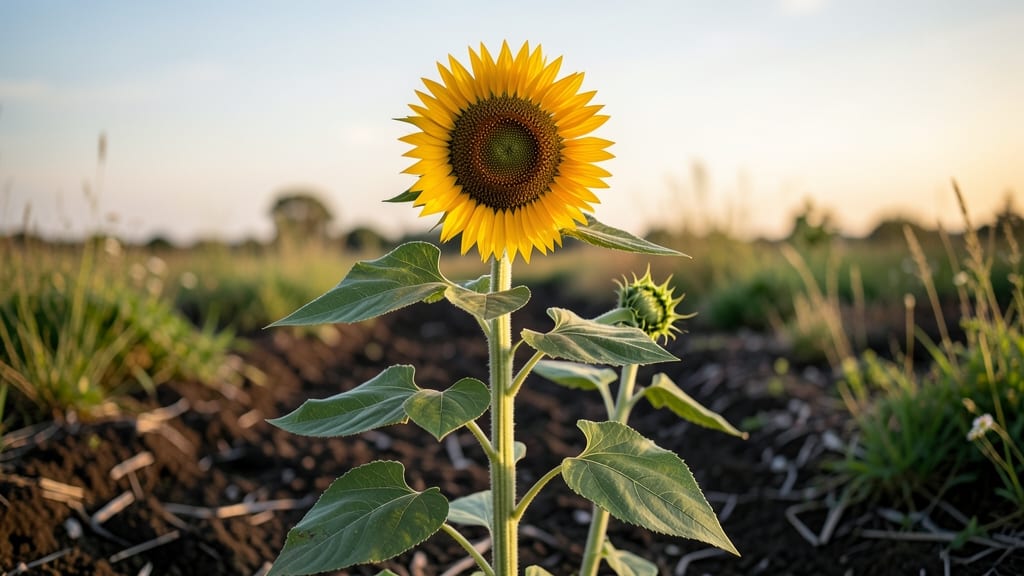
Sunflowers do spread — not through underground runners like mint, but by dropping seeds that sprout with alarming enthusiasm 🌻. If you’ve ever planted sunflowers and wondered why your garden looks like a sunflower jungle by summer, the answer lies in their aggressive root system—and it’s not what most gardeners expect.
Here’s the catch: their deep taproots don’t spread sideways, but the seeds they produce scatter far and wide, germinating wherever they land. This self-seeding habit means your one planted sunflower could turn into dozens next season if you’re not careful.
Good news for space-conscious gardeners: with the right spacing and a few simple tricks, you can keep them contained. Below, I’ll break down how their roots behave, the best planting distances, and how to stop them from taking over without sacrificing those towering blooms.
Whether you’re dealing with towering giants or dwarf varieties, learning these secrets will help you enjoy sunflowers without the garden takeover. Let’s get growing—smart!
How far do sunflower roots spread and what it means for your garden
Sunflowers might seem like cheerful, low-maintenance plants, but their root systems tell a different story. While their lateral roots spread modestly, their taproots dive deep—up to 5 feet or more—searching for water and nutrients.
This vertical growth means they can outcompete nearby plants for resources, especially in small gardens or containers.
The real surprise comes when you realize how aggressively they self-seed. A single sunflower can drop 1,000+ seeds per head, which germinate eagerly in the next growing season.
Without intervention, your sunflower patch could easily double—or triple—in size overnight. This isn’t just about aesthetics; it’s about nutrient depletion and crowding that weakens your entire garden.
Here’s the breakdown of how sunflower roots behave—and what it means for your planting strategy:
| Root Type | Spread Depth | Impact on Garden | Management Tip |
|---|---|---|---|
| Taproot | 3–5+ feet deep | Competes for water/nutrients | Plant near deep-rooted crops |
| Lateral Roots | 1–2 feet wide | Limited spread but dense | Space 12–18" apart for airflow |
| Self-Seeding | Uncontrolled spread | Overcrowding in 1–2 years | Deadhead or harvest seeds |
| Dwarf Varieties | 1–3 feet tall | Less aggressive spread | Ideal for containers |
The taproot is the real game-changer. Unlike shallow-rooted plants, sunflowers can access water deep underground, making them surprisingly drought-resistant once established. However, this also means they’ll deplete soil nutrients faster, leaving neighboring plants thirsty. If you’re growing vegetables or flowers nearby, their roots may struggle to compete.
For container gardening, this root depth is a dealbreaker unless you use dwarf varieties. Standard sunflowers will quickly outgrow pots, causing root circling and stunted growth.
If you’re determined to grow them in containers, choose varieties like 'Teddy Bear' or 'Moulin Rouge', which max out at 3–4 feet tall and have shallower roots.
One of the biggest misconceptions is that sunflowers only spread through self-seeding. While this is a major factor, their root competition is equally problematic. If you’ve ever noticed your tomatoes or peppers wilting near sunflowers, it’s likely because the sunflowers are stealing water and nutrients through their deep roots.
This is especially true in small gardens or raised beds where space is limited.
To mitigate this, I recommend intercropping sunflowers with shallow-rooted plants like basil, radishes, or lettuce. These plants won’t compete directly with the sunflower’s taproot but can thrive in the surface soil where sunflowers have minimal reach.
Just be sure to harvest companion plants early before the sunflowers fully mature and start dominating the space.
If you’re growing sunflowers for cut flowers or seed production, their spread can actually be an advantage—just manage it intentionally. Let a few plants self-seed in a designated area, but remove volunteers from other parts of your garden.
You can also harvest seeds before they drop to the ground, reducing next year’s unwanted seedlings. A simple trick is to place a paper bag over the flower head as it matures and dries.
For large gardens, consider treating sunflowers like a perennial rather than an annual. Their deep roots improve soil structure over time, and if managed properly, they can return year after year with minimal effort.
Just be prepared for their persistent presencedigging out the taproot, which can be tedious.
🌻
Optimal spacing and planting strategies to control sunflower spread
Now that you understand how sunflowers spread through their roots and self-seeding, let's tackle the spacing strategies that keep them contained while maximizing those stunning blooms.
The key lies in matching your sunflower variety with the right planting distance—because a 6-foot giant needs far more room than a 3-foot dwarf. Science shows that proper spacing prevents overcrowding, improves airflow, and reduces disease risk while ensuring each plant gets enough sunlight for robust growth.
For standard sunflowers like 'Russian Giant' or 'Autumn Beauty', aim for 18–24 inches between plants. This gives their deep taproots room to establish without competing for nutrients. In larger gardens, you can stretch this to 3 feet for maximum yield.
Meanwhile, dwarf varieties like 'Teddy Bear' or 'Moulin Rouge' only need 12–15 inches of space, making them perfect for containers or small gardens where real estate is limited.
| Variety Type | Recommended Spacing | Best For | Companion Plants |
|---|---|---|---|
| Standard (8-15 ft) | 18–24" | Large gardens, cut flowers | Corn, beans, borage |
| Semi-Dwarf (3-6 ft) | 12–18" | Pollinator gardens, borders | Marigolds, nasturtiums |
| Dwarf (1-3 ft) | 10–12" | Containers, small spaces | Radishes, lettuce |
| Giant (10+ ft) | 24–36" | Field planting, windbreaks | Sunflowers only |
Beyond spacing, companion planting is your secret weapon against sunflower spread. Pair sunflowers with deep-rooted companions like corn or beans to minimize competition, or use shallow-rooted plants like radishes and lettuce to fill gaps early in the season.
A clever trick I use is planting sunflowers in a 3-row pattern: one row of sunflowers, one row of beans, and one row of marigolds. The beans fix nitrogen, the marigolds deter pests, and the sunflowers provide shade as they mature.
To further control spread, practice selective pruning. Remove any volunteer seedlings that pop up outside your designated area, and deadhead spent blooms to prevent self-seeding. For container growers, choose self-contained varieties like 'Moulin Rouge' and harvest seeds indoors to avoid accidental garden spread.
If you're growing sunflowers for cut flowers, stagger planting dates every 2 weeks to ensure a continuous harvest without overcrowding.
For large-scale gardens, consider creating a sunflower guild—a designated area where sunflowers can spread naturally while benefiting from companion plants. This mimics their natural ecosystem and reduces the need for constant intervention. Just remember: even in guilds, thin seedlings to the strongest plants early to prevent overcrowding and disease.
🌱