
Shrubs
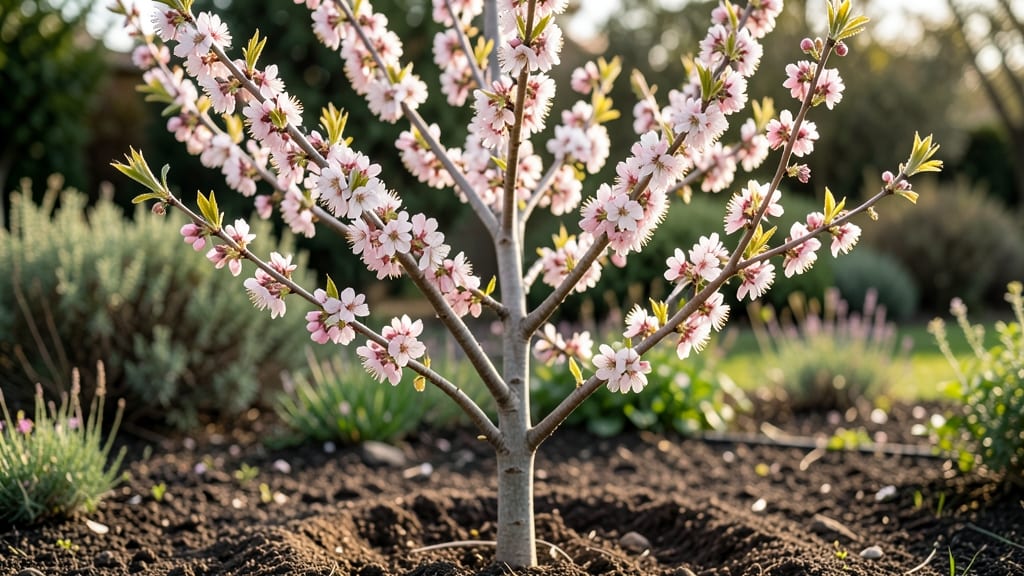
A flowering almond hedge 🌸 can transform your yard into a fragrant springtime wonderland—but only if you prune it right.
Imagine a hedge that bursts with fragrant pink blossoms year after year—no matter the season. The flowering almond hedge (Prunus triloba) delivers exactly that, but only if you master its pruning secrets. Without proper timing and technique, you’ll sacrifice blooms, shape, and even the plant’s health.
Most gardeners focus on planting and watering, but the real key to a lush, blooming flowering almond hedge lies in when and how you prune. A well-timed cut can double your blossoms next spring, while a wrong move might leave you with bare branches by summer.
In this guide, I’ll walk you through a month-by-month pruning schedule that keeps your hedge dense, flowering, and healthy all year. Whether you’re shaping it for privacy or just love the scent of spring, these steps will ensure your flowering almond hedge stays stunning season after season.
Seasonal flowering almond hedge pruning schedule by month
The flowering almond hedge (Prunus triloba) thrives when pruned strategically by month. Unlike many shrubs, its spring blooms develop on old wood, so avoid heavy pruning before flowers appear.
Instead, focus on shaping after blooming and winter prep to protect against dieback. Timing directly impacts your hedge's bloom density and overall health.
Your pruning goals shift seasonally: encourage flowers in spring, maintain shape in summer, and prepare for winter dormancy. Skipping steps—like late-winter cleanup or summer thinningmonth-by-month tasks to keep your hedge lush and flowering year after year.
| Month | Pruning Task | Key Focus | Tools Needed |
|---|---|---|---|
| January | Plan pruning | Assess hedge shape; note dead/diseased branches | Pruning shears, gloves |
| February | Remove dead wood | Cut out dead/diseased branches to 1/4 inch above bud | Loppers, pruning saw |
| March | Light shaping | Trim overgrown tips to encourage bushier growth | Hedge shears, hand pruners |
| April | Post-bloom cleanup | Remove spent flowers and thin crowded branches | Pruning shears, gloves |
| May | Shape and thin | Maintain desired shape; remove suckers at base | Hedge shears, loppers |
| June | Minimal trimming | Remove only damaged leaves; avoid heavy cuts | Hand pruners, gloves |
| July | Summer thinning | Lightly thin inner branches for airflow | Pruning shears, loppers |
| August | Prepare for fall | Remove weak growth to strengthen structure | Loppers, pruning saw |
| September | Final shape | Trim to final shape before dormancy | Hedge shears, gloves |
| December | Winter protection | Wrap young hedges with burlap for frost protection | Burlap, twine |
In January, I focus on planning rather than cutting. Walk around your hedge and identify dead branches or areas needing attention. This month is about observation, not pruning—avoid cutting when the plant is dormant to prevent winter
How to prune a flowering almond hedge for maximum blooms
Your flowering almond hedge (Prunus triloba) thrives when you prune it with purpose—not just to shape, but to stimulate continuous blooms. Unlike many shrubs, this beauty flowers on old wood, meaning last year’s growth produces this year’s blossoms.
Cut at the wrong time, and you’ll prune away next season’s pink spring flowers before they even form.
Start with the right tools and timing. You’ll need sharp bypass pruners for clean cuts, loppers for thicker branches, and a pruning saw for stubborn stems.
The key is to prune immediately after flowering (late spring) and avoid heavy cuts in winter or early spring, when buds are already set for next year’s blooms.
Step-by-Step Pruning Guide
-
Step 1: Deadhead Spent Blooms
After flowers fade, snip off wilted blossom clusters to redirect energy to foliage and next year’s buds. Use clean pruners and cut just above a leaf node at a 45-degree angle. -
Step 2: Thin Out Crowded Branches
Remove 1/3 of oldest branches at the base to improve airflow. Focus on crossing or rubbing branches—these compete for nutrients and reduce bloom quality. Cut back to a healthy lateral branch. -
Step 3: Shape the Hedge
Use a hand pruner to trim new growth along the hedge’s edges for a neat, uniform shape. Step back often to check symmetry. Avoid cutting into old wood—this removes next year’s flower buds. -
Step 4: Light Structural Pruning
In late summer or early fall, prune to open the center of the hedge. Remove suckers at the base and overly long branches to maintain a balanced shape. Limit cuts to 10-15% of the plant’s total growth. -
Step 5: Winter Prep (Minimal Cuts)
Avoid heavy pruning in winter. Only remove dead, diseased, or broken branches. This protects dormant flower buds and prevents winter dieback in colder zones (USDA 5-7).
Avoid these common pruning mistakes that kill blooms: pruning in late winter (when buds are already set), cutting into old wood (sacrifices next year’s flowers), or over-pruning (stresses the plant). Instead, focus on selective thinning and shaping after flowering to keep your hedge bloom-heavy and healthy.
After pruning, apply a layer of mulch around the base to retain moisture and protect roots. Water deeply to help the hedge recover, especially if you’ve made structural cuts. With this method, your flowering almond hedge will reward you with vibrant, fragrant blooms for years to come.
🌸 For best results, repeat this process annually—your hedge will thank you with lush foliage and nonstop blossoms from spring through early summer.