
Blooming
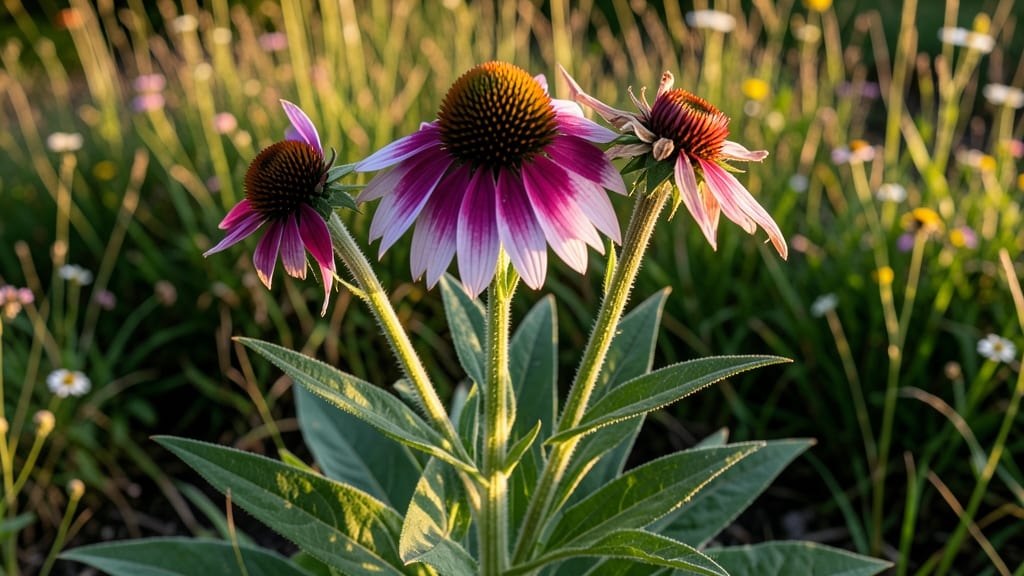
Coneflowers bloom for 6 to 8 weeks under ideal conditions, turning your late-summer garden into a pollinator paradise with their cheerful pink, purple, and white blooms 🌼.
But here’s the catch: most gardeners assume their coneflowers will fade by early fall, only to be pleasantly surprised when they keep blooming longer than expected. The secret? A few simple care tweaks can stretch that flowering season well into October—or even later in milder climates.
Whether you’re growing Magnus for its towering height or White Swan for its delicate petals, understanding what fuels their long bloom time is the key to nonstop color.
From deadheading to soil prep, I’ll walk you through the exact steps that keep your coneflowers looking fresh for weeks longer than average.
Ready to turn your garden into a late-season showstopper? Let’s dive into the science—and the easy habits—that make coneflowers bloom like they’ve got all summer to shine.
Coneflower bloom duration: month-by-month breakdown of flowering seasons
If you’ve ever wondered how long do coneflowers bloom, the answer depends on the variety, your climate, and a few key gardening practices. Most Echinacea varieties light up gardens from mid-summer through early fall, but with the right care, you can extend that show by 4-6 weeks.
Let’s break down what to expect month by month, including how early and late varieties differ.
The primary blooming window for coneflowers typically spans from July through October, with peak performance in August and September.
However, early bloomers like 'Magnus' may start as early as June in warmer zones (USDA 8-9), while late varieties like 'White Swan' can linger until November’s first frost in milder climates. The key is understanding your local frost dates and choosing varieties that match your growing season.
Here’s a quick look at what to expect from coneflower blooms across the seasons, including how regional differences in USDA zones 3-9 can shift these timelines:
| Month | Bloom Activity | Notes for USDA Zones |
|---|---|---|
| June | Early blooms (Zones 8-9) | Early varieties like 'Magnus' may start in warm climates. |
| July | Peak begins (Zones 4-9) | Full bloom for most varieties; deadhead to encourage more flowers. |
| August | Full bloom (Zones 3-9) | Best month for color; provide consistent watering. |
| September | Strong blooms (Zones 3-7) | Late varieties shine; prepare for frost in cooler zones. |
| October | Late blooms (Zones 6-9) | Frost-sensitive varieties may fade; cut back after blooms. |
| November | Frost-dependent (Zones 8-9) | Only in mild winters; protect with mulch if needed. |
In USDA Zone 3, where winters are harsh, coneflowers typically bloom from late July through September, with frost cutting the season short by mid-October.
Meanwhile, in Zone 9, you might enjoy blooms from June through November, giving you a 5-month flowering window if you choose the right varieties. The transition months—June and October—are where regional differences really matter.
For gardeners in Zones 4-7, the peak bloom period is usually August and September, with some early bloomers appearing in late July. If you live in these zones, focus on late-season varieties like 'PowWow Wild Berry' or 'White Swan' to extend your display.
These types often hold onto their blooms until the first hard frost, sometimes even reblooming lightly in spring if the stems aren’t cut back.
One of the most common questions about coneflower bloom duration is whether they rebloom after deadheading. The answer is yes—but with a caveat. Most coneflowers are single-bloom per stem, meaning they won’t produce a second flower on the same stalk.
However, if you deadhead regularly (removing spent blooms), the plant will redirect energy to new stems, often producing 20-30% more flowers over the season. This is why many gardeners see their coneflowers bloom for 8-10 weeks instead of the typical 6-8.
Another factor that influences how long coneflowers bloom is soil health. Well-draining, nutrient-rich soil with a slightly acidic to neutral pH (6.0-7.0) encourages stronger root systems, which in turn support longer and more abundant blooms.
If your soil is poor or compacted, consider amending it with compost or organic matter before planting. This simple step can extend your blooming season by 2-3 weeks.
Light also plays a crucial role. Coneflowers thrive in full sun (6+ hours daily), but in hotter climates (Zones 8-9), they may benefit from afternoon shade to prevent stress. Too much heat without adequate water can cause bud drop, shortening the bloom period.
If you’re in a high-heat zone, mulch around the base of the plant to retain moisture and regulate soil temperature. This helps maintain consistent blooming even in 100°F+ temperatures.
Finally, don’t overlook the role of watering consistency. While coneflowers are drought-tolerant once established, they still need 1-1.5 inches of water per week during their active growing and blooming seasons. Let the top 2 inches of soil dry out between waterings to prevent root rot, but
How to extend coneflower blooms: 5 proven techniques for nonstop color
Want your coneflowers to put on a show all season long? While these hardy perennials typically bloom from mid-summer to early fall, you can push that timeline with the right care.
The key lies in understanding their natural cycle and giving them exactly what they need to keep producing those stunning purple, pink, or white blooms. Let me share my favorite techniques that have transformed my late-summer garden into a nonstop color party.
First, let's address the natural bloom cycle. Most coneflowers produce their first flush of blooms in July and August, with a gradual decline by September. However, with proper maintenance, you can extend this window by 4-6 weeks or more.
The secret? A combination of deadheading, nutrient management, and creating optimal growing conditions. Let's dive into the specifics that will keep your coneflowers looking fresh until the first frost.
🌼 5 Ways to Extend Coneflower Blooms
- Deadhead Regularly: Remove spent blooms every 3-5 days to prevent seed formation and redirect energy to new flowers. Use clean pruners or fingers for precision.
- Fertilize Strategically: Apply a balanced 10-10-10 fertilizer in early summer and again after deadheading. Avoid high-nitrogen formulas that promote foliage over flowers.
- Water Deeply: Provide 1-1.5 inches of water weekly, focusing on the root zone. Morning watering prevents fungal issues and keeps blooms vibrant.
- Optimize Sunlight: Ensure 6+ hours of full sun daily. Partial shade can reduce blooming time, so choose sunny locations or supplement with grow lights.
- Companion Plant: Pair with low-growing perennials like sedum or salvia to reduce competition and improve air circulation, which extends bloom health.
Let me start with the most critical technique: deadheading. This isn't just about looks—it's a biological trigger. When you remove spent blooms, you're telling the plant to stop producing seeds and focus on creating new flower buds.
I use a pair of sharp pruners and make clean cuts just above the next set of leaves. For my Echinacea 'Magnus', this technique has extended blooming by nearly 3 weeks in my Zone 6 garden.
Don't overlook the power of soil nutrition. Coneflowers thrive in well-draining soil with a slightly acidic to neutral pH (6.0-7.0). Before planting, I always amend my soil with compost and a slow-release fertilizer.
During the growing season, a light feeding every 4-6 weeks with a low-nitrogen, high-phosphorus formula promotes abundant blooming. Pro tip: Mix in bone meal in early summer for an extra phosphorus boost that encourages flower production.
Your watering schedule plays a surprising role in bloom duration. While coneflowers are drought-tolerant once established, consistent moisture is key for prolonged flowering. I water deeply once or twice weekly, depending on rainfall, focusing on the root zone rather than wetting the foliage.
This prevents stress that can shorten the bloom period. In my experience, morning watering is ideal—it gives plants time to dry out, reducing the risk of powdery mildew, a common issue that can cut blooms short.
One technique many gardeners overlook is sunlight optimization. While coneflowers tolerate partial shade, they perform best with full sun exposure. If your plants are in a shadier spot, consider thinning nearby vegetation or transplanting to a sunnier location.
In my raised beds, I've seen coneflowers in full sun bloom 2-3 weeks longer than those in partial shade. For container growers, place pots in the sunniest spot and rotate them occasionally for even exposure.
Finally, let your coneflowers team up with the right neighbors. Companion planting can work wonders for extending bloom time. I pair mine with low-growing perennials like catmint or Russian sage to reduce competition for nutrients and improve air circulation.
This not only keeps my coneflowers healthier but also creates a stunning pollinator-friendly display that lasts well into fall. Plus, the companions help suppress weeds, reducing stress on your star plants.